As Wildfire Season Intensifies, AI Becomes a Key Tool for Experts

With each passing year, the threat of wildfires looms larger, fueled by the relentless march of climate change. The Washington State Standard recently highlighted how AI is stepping up as a crucial ally in combating these increasingly frequent and ferocious blazes.

According to the Environmental Protection Agency, the Western United States has experienced a dramatic rise in wildfire activity since the 1990s, with the affected land area jumping from 5% to 22% between 1981 and 2021. This surge is attributed to shifts in climate cycles, outdated land management practices, and human activities, which the Western Fire Chiefs Association states are responsible for nearly 90% of all wildfires.

Recent reports from the New York Times and other sources confirm that the 2024 wildfire season has already exceeded the previous decade’s averages, with devastating blazes in Oregon and Colorado causing evacuations, health hazards, and casualties.

AI: A New Frontier in Wildfire Management

As traditional methods struggle to keep pace, AI technologies are emerging as game-changers in wildfire detection and management. The National Oceanic and Atmospheric Administration (NOAA) has developed the Next Generation Fire System, which utilizes AI models to analyze data from geostationary satellites. This allows for real-time fire identification and monitoring, freeing human responders to focus on strategic decision-making.

Moreover, the University of Southern California is pioneering predictive modeling using a generative AI model that forecasts fire spread. By integrating historical wildfire data and satellite images, this approach provides valuable insights into potential fire behavior, aiding in more effective firefighting strategies.

Private Sector Innovations

The private sector is also making significant strides in AI-driven wildfire management. MyRadar is poised to launch a satellite-based AI system that promises rapid data transmission and enhanced monitoring capabilities. Additionally, companies like BRINC are deploying drones to assist emergency responders by reducing response times and improving situational awareness.

While full implementation of these AI technologies is still months away, their potential to revolutionize wildfire management is undeniable. By integrating AI into firefighting strategies, experts hope to mitigate the devastating impacts of wildfires and safeguard communities from these natural disasters.


More Articles

Getting licensed or staying ahead in your career can be a journey—but it doesn’t have to be overwhelming. Grab your favorite coffee or tea, take a moment to relax, and browse through our articles. Whether you’re just starting out or renewing your expertise, we’ve got tips, insights, and advice to keep you moving forward. Here’s to your success—one sip and one step at a time!

Massachusetts Investment Firm Makes Strategic Move Into Connecticut With $3.65M Red Robin-Anchored Purchase

Newman Properties, a Massachusetts-based investment firm, has expanded its footprint into Connecticut with the $3.65 million acquisition of a 6,350‑square‑foot retail building in Enfield. Anchored by national restaurant chain Red Robin, the property offers the type of stable tenancy investors seek when entering new markets. The deal underscores growing confidence in anchored retail assets and provides a valuable real-world example for real estate professionals studying market analysis, investment strategy, and portfolio expansion.

JPMorgan Flags a Sunbelt Slowdown as Florida and Texas See Sharp Home Price Drops

JPMorgan now expects national home prices to flatten in 2026, but the Sunbelt is telling a very different story. Florida home values are down 5.1%, Texas is down 2.4%, and analysts warn that years of rapid building are finally catching up to the region. As demand stabilizes and inventory swells, real estate professionals — especially in Florida — face a market full of challenges, opportunities, and critical timing decisions.

AI Is Reshaping Mortgage Underwriting in 2026 as Industry Pros Brace for Major Change

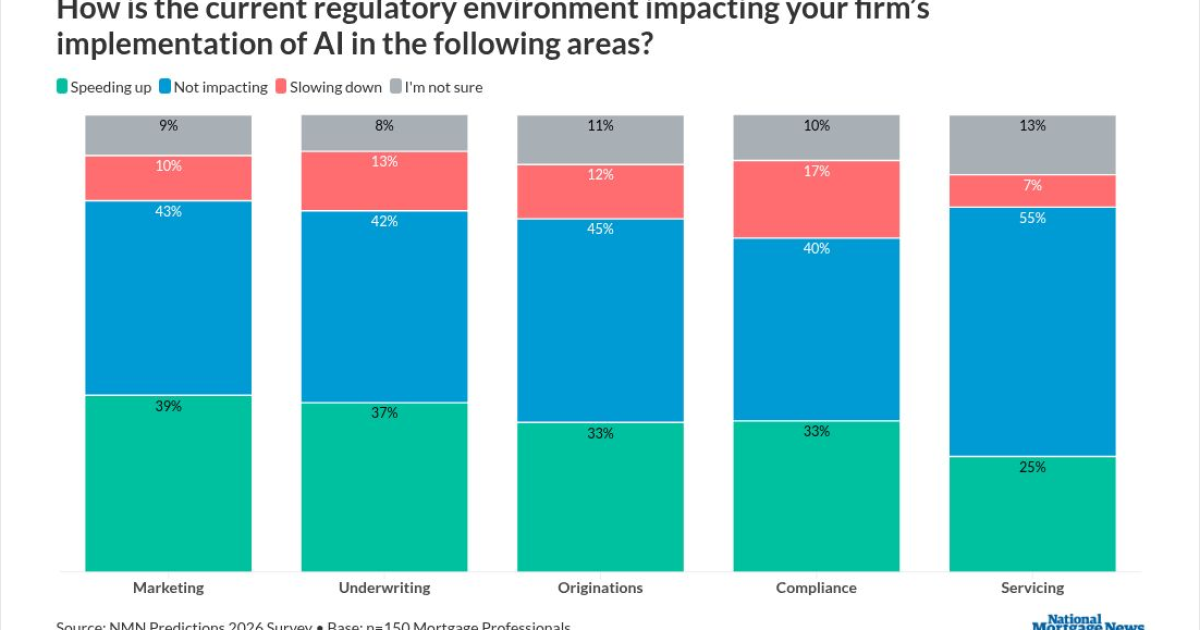
Artificial intelligence is finally stepping into the mortgage underwriting spotlight, with 57% of mortgage professionals predicting it will drive the most transformative industry shift in 2026. Thanks to major advancements in language models and workflow automation, AI is now capable of navigating the messy, document-heavy realities that have long slowed underwriting. From faster preapprovals to improved credit analysis and real‑time income verification, AI is streamlining processes while allowing underwriters to focus on true risk management. As regulatory winds shift and grassroots pressure builds within lending teams, the industry is entering a pivotal era where AI‑powered underwriting becomes not just an advantage — but an expectation.

Portland’s Commercial Market Suffers a Historic $2 Billion Collapse

Portland’s top 20 office towers have lost an unprecedented 70% of their value since 2019—plunging from $3 billion to under $1 billion—triggering tax revenue shortfalls, budget crises, and a surge in appeals as the city grapples with its biggest commercial real estate reset in modern history.

When Virtual Reality Becomes the New Penthouse Tour: Miami Students Step Inside a $1M Tech-Driven Luxury Tower Experience

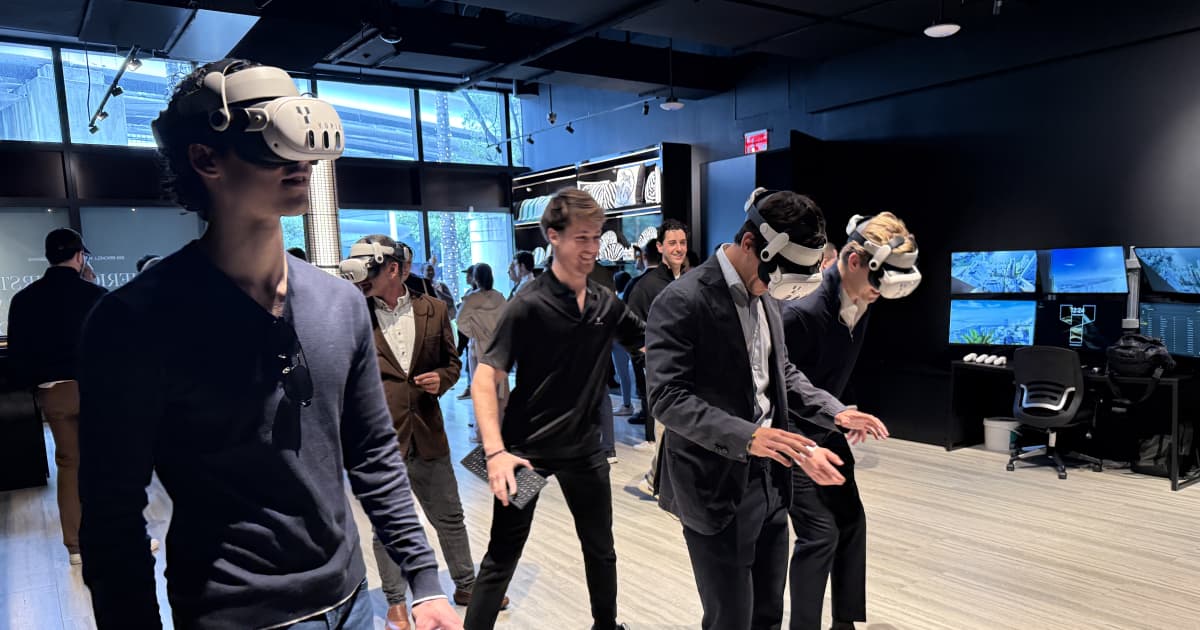
South Florida’s luxury real estate market just raised the bar again — this time with a $1 million virtual reality system that lets buyers walk through Dolce & Gabbana’s upcoming Miami tower long before construction wraps. Real estate master’s students were given an immersive look inside the project, discovering how VR is transforming high‑end development, influencing buyer psychology, and shaping the future skills today’s professionals need.

Long Island’s Latest Commercial Moves: From Pizza Huts to Auto Parts Warehouses

Long Island’s commercial real estate scene is kicking off 2026 with a surge of activity—industrial leases in Medford, neighborhood retail trades in Bohemia, Pizza Hut’s new DELCO expansion in Centereach, mixed‑use acquisitions in Melville, and major investor interest in bank‑leased and franchise-backed properties. From warehouses to restaurant rebrands, these deals highlight a region evolving fast and offering fresh opportunities for agents, investors, and professionals looking to stay ahead in the market.