As Wildfire Season Intensifies, AI Becomes a Key Tool for Experts

With each passing year, the threat of wildfires looms larger, fueled by the relentless march of climate change. The Washington State Standard recently highlighted how AI is stepping up as a crucial ally in combating these increasingly frequent and ferocious blazes.

According to the Environmental Protection Agency, the Western United States has experienced a dramatic rise in wildfire activity since the 1990s, with the affected land area jumping from 5% to 22% between 1981 and 2021. This surge is attributed to shifts in climate cycles, outdated land management practices, and human activities, which the Western Fire Chiefs Association states are responsible for nearly 90% of all wildfires.

Recent reports from the New York Times and other sources confirm that the 2024 wildfire season has already exceeded the previous decade’s averages, with devastating blazes in Oregon and Colorado causing evacuations, health hazards, and casualties.

AI: A New Frontier in Wildfire Management

As traditional methods struggle to keep pace, AI technologies are emerging as game-changers in wildfire detection and management. The National Oceanic and Atmospheric Administration (NOAA) has developed the Next Generation Fire System, which utilizes AI models to analyze data from geostationary satellites. This allows for real-time fire identification and monitoring, freeing human responders to focus on strategic decision-making.

Moreover, the University of Southern California is pioneering predictive modeling using a generative AI model that forecasts fire spread. By integrating historical wildfire data and satellite images, this approach provides valuable insights into potential fire behavior, aiding in more effective firefighting strategies.

Private Sector Innovations

The private sector is also making significant strides in AI-driven wildfire management. MyRadar is poised to launch a satellite-based AI system that promises rapid data transmission and enhanced monitoring capabilities. Additionally, companies like BRINC are deploying drones to assist emergency responders by reducing response times and improving situational awareness.

While full implementation of these AI technologies is still months away, their potential to revolutionize wildfire management is undeniable. By integrating AI into firefighting strategies, experts hope to mitigate the devastating impacts of wildfires and safeguard communities from these natural disasters.

More Articles

Getting licensed or staying ahead in your career can be a journey—but it doesn’t have to be overwhelming. Grab your favorite coffee or tea, take a moment to relax, and browse through our articles. Whether you’re just starting out or renewing your expertise, we’ve got tips, insights, and advice to keep you moving forward. Here’s to your success—one sip and one step at a time!

Florida’s Middle Class Is Being Squeezed Out: Insurance Costs, Rebuilding Struggles, and a Changing Coastline

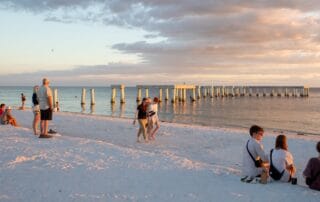
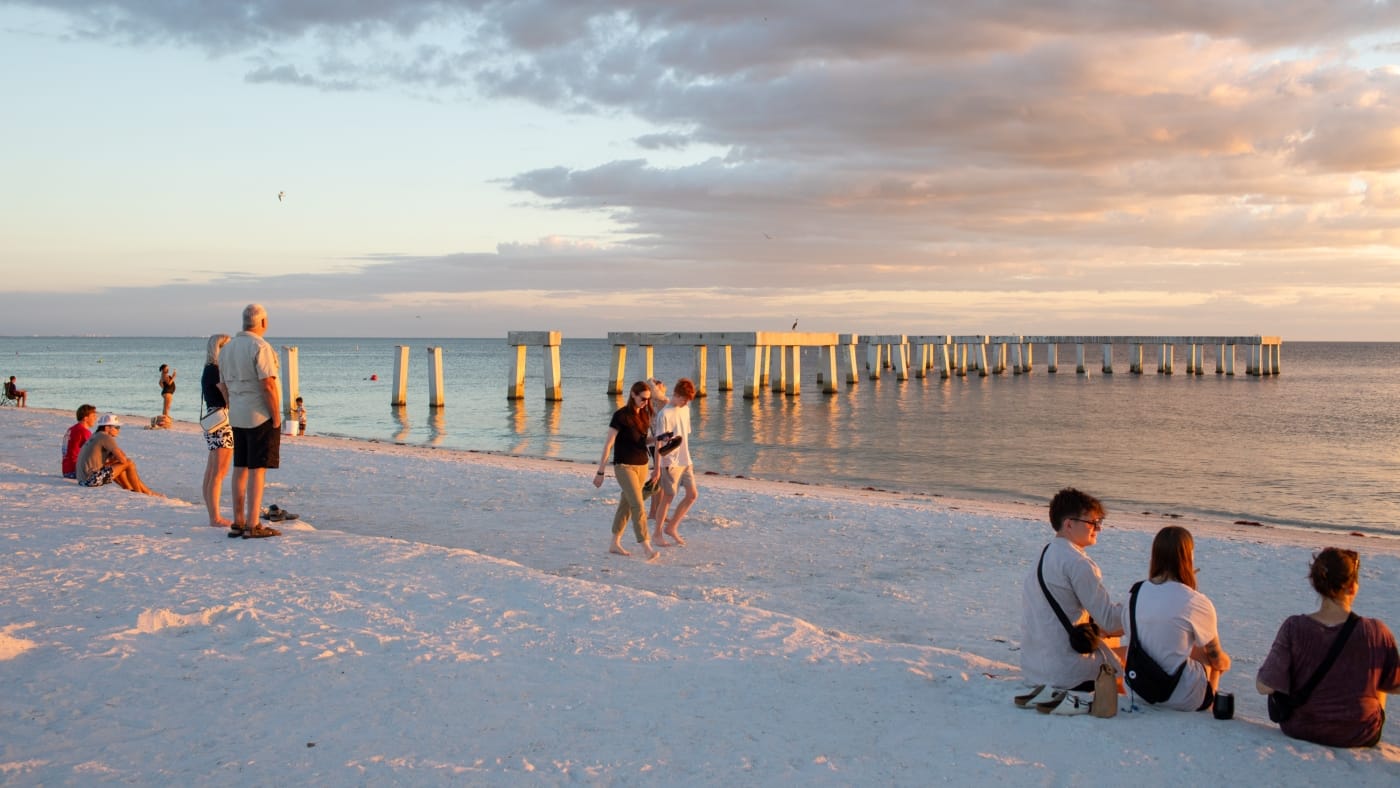
Fort Myers Beach is becoming the front line of a new Florida—one shaped by hurricane devastation, soaring insurance premiums, and rapid gentrification. Three years after Hurricane Ian, residents are still battling massive rebuilding costs and insurance bills that now exceed $5,700 a year on average, with flood insurance reaching $10,000 for some families. Long-time locals, small businesses, and service workers are being priced out as wealthy investors move in, transforming once-affordable coastal communities. Real estate professionals warn that foreclosures may rise if economic pressures continue, signaling a pivotal moment for Florida’s housing market and the professionals who serve it.

Top 2026 Commercial Real Estate Issues Every Professional Should Watch

Economic uncertainty, AI disruption, slowing population growth, and rising portfolio risk are reshaping commercial real estate heading into 2026. A new report unveiled at NAR NXT highlights the forces that will reward informed professionals — and challenge those who aren’t prepared. From fiscal policy and shifting capital flows to tech transformation and housing shortages, the landscape is evolving fast. Cameron Academy breaks down the key issues so real estate, mortgage, finance, and insurance professionals can stay ahead of the curve.

Federal Climate Funding Pulled, Leaving Billions in Real Estate Risk Exposed

A sudden federal shutdown of FEMA’s BRIC resiliency program has left cities and commercial property owners scrambling, exposing billions in real estate to rising climate threats. With nearly a billion dollars in mitigation funding clawed back and extreme weather intensifying, insurance premiums are expected to surge and coverage may shrink — placing new pressure on markets like Florida and New York.

Florida Lawmakers Push Bill to Limit Local Power Over Housing Approvals

A new Florida Senate bill aims to stop cities and counties from blocking residential developments over vague “compatibility” concerns. Supporters say the measure would speed up homebuilding and ease housing shortages, while opponents argue it strips communities of essential oversight and could accelerate growth without proper planning. The proposal could reshape development timelines and land-use decisions statewide, making it a major issue for real estate professionals to watch.

Cape Coral Housing Market Shifts in Favor of Buyers as Homes Linger 119 Days

Cape Coral–Fort Myers has officially moved into buyer-friendly territory, with homes now sitting a median 119 days on the market—far longer than both the Florida and U.S. averages. Rising inventory, a 36.9 percent price‑reduction rate, and slower absorption compared to accumulated supply are giving buyers more leverage and time to negotiate, signaling a meaningful reset in this once‑fast‑moving Florida market.

Kansas City’s Commercial Real Estate Market Finds Its Momentum Again

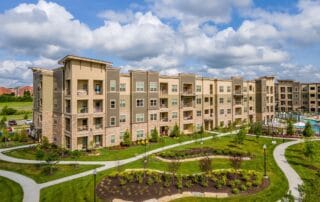
Kansas City’s commercial real estate sector is finally turning a corner after several years of sluggish activity. Retail is leading the rebound, while multifamily and industrial properties are gaining traction as pricing stabilizes and buyer confidence returns. A standout 2025 transaction—the sale of the 380‑unit Cyan Southcreek community—signals that capital is flowing back into the market. With bid‑ask spreads tightening and investor optimism rising, Kansas City is entering a period of renewed opportunity for real estate professionals and investors alike.