Atlanta Housing Market Outlook 2025–2026: What Buyers, Sellers & Investors Need to Know
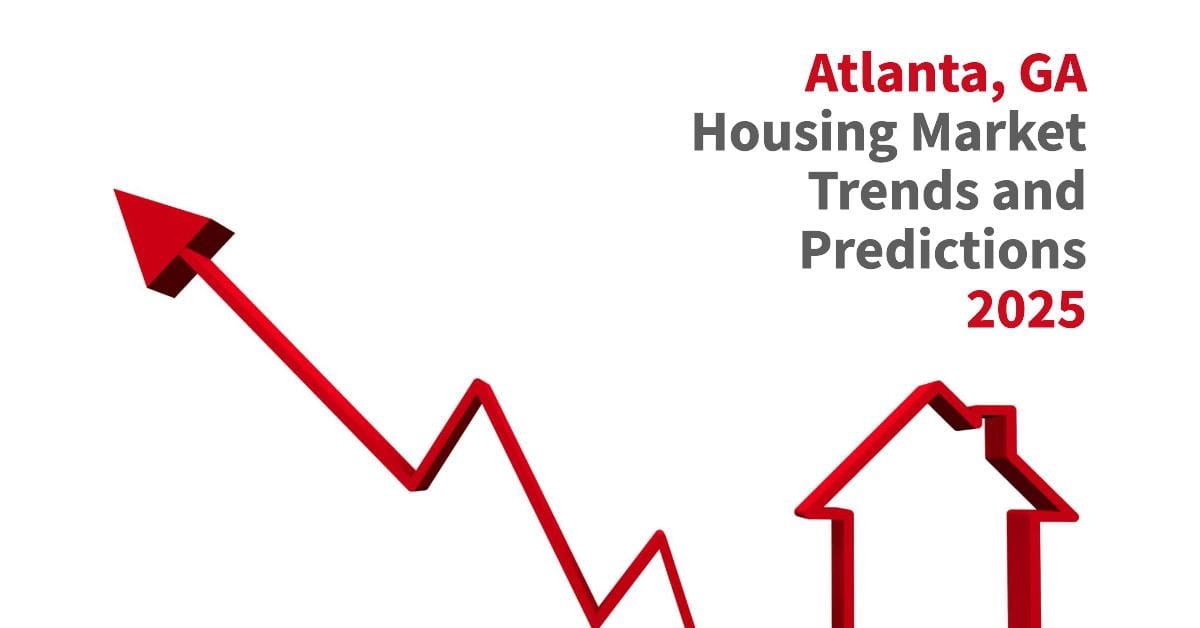
The Atlanta housing market is shifting—but not in the way many predicted. As we move into 2025 and 2026, buyers, sellers, and investors are watching closely as the city stabilizes, rebalances, and positions itself for long-term sustainability. With strong demand, moderating prices, and improving mortgage rates, Atlanta continues to stand out as one of the Southeast’s most resilient real estate hubs.
This full breakdown pulls insights from Norada Real Estate and regional market data to bring you a sharpened look at what’s really happening on the ground.
Home Prices: Stability Takes Center Stage
Atlanta’s days of runaway price hikes are fading, but the market remains nowhere near a decline. The Atlanta REALTORS® Association reports a median price of $411,000 and an average price of $525,100 in September 2025. Buyers are gaining negotiating power, and sellers benefit from a more predictable marketplace.
Tap to explore: How stable prices can protect both new buyers and long-term homeowners.
Sales Activity: Still Moving Strong
With 4,486 home sales posted in September 2025, Metro Atlanta’s demand hasn’t disappeared—it’s simply maturing. Today’s buyers are more strategic, touring more listings and analyzing neighborhoods before making offers.
Inventory Levels: Finally Balanced
Buyers can breathe again. Inventory has expanded to 19,734 active listings, creating a 4.4‑month supply. This new balance supports price stability and encourages healthier market dynamics.
Mortgage Rates: A Breath of Relief
Freddie Mac’s national averages show 30‑year rates at 6.24% and 15‑year rates at 5.49%. Though not historically low, rates are far more manageable—just enough to motivate previously hesitant buyers to step back in.
Market Forecast: Will Prices Drop?
Zillow forecasts a gentle correction rather than a downturn:
July 2025: -0.5%
September 2025: -1.6%
June 2026 (1-year outlook): -1.3%
These moderate shifts point to a healthier, more sustainable pace for one of the country’s fastest-growing metros.
How Atlanta Compares to Other Georgia Markets
Markets across Georgia are experiencing similar micro‑corrections. Cities like Savannah, Athens, Valdosta, and Warner Robins continue to show resilience with projected growth into 2026.
National Outlook: Signs of Strength
The National Association of Realtors projects:
• 6% rise in existing home sales (2025)
• 11% rise in existing home sales (2026)
• 3% increase in median home prices (2025)
• 4% increase in median home prices (2026)
With rate relief on the horizon, both national and Atlanta markets may recover even faster than planned.
Will Atlanta’s Housing Market Crash?
Not likely. Inventory is leveling, mortgage rates are stabilizing, and Atlanta’s economy remains a powerhouse. Strong job growth, corporate relocations, and population expansion continue to support long-term stability.
Why Investors Still Love Atlanta
Investment insights from Norada Real Estate highlight Atlanta as a top target for:
• Strong job & population growth
• Diverse, appreciating neighborhoods
• Affordable cost of living
• Long-term rental demand
• Consistent appreciation potential
Interactive Insight: Tap to uncover the hottest neighborhoods for 2025–2026 investor activity.
Planning Your Next Career Move in Real Estate?
As Atlanta grows, so does its need for sharp, well-trained real estate professionals. Whether you’re new to the field or expanding your credentials, Cameron Academy provides fully accredited online licensing and CE courses across all 50 states. Designed for flexibility and real-world success, our programs prepare you to thrive in a shifting, opportunity-rich market.
Your next step in real estate starts with knowledge—and Cameron Academy is here to guide it.
Source & Further Reading
All data referenced is sourced from Norada Real Estate, a trusted leader in turnkey investment research.
Explore more insights from Norada:
Top Reasons to Buy Atlanta Investment Properties
Where to Buy Atlanta Investment Properties
Big Investors Buying Trends