Australia’s Commercial Real Estate Market Is Transforming — Here’s What’s Really Happening
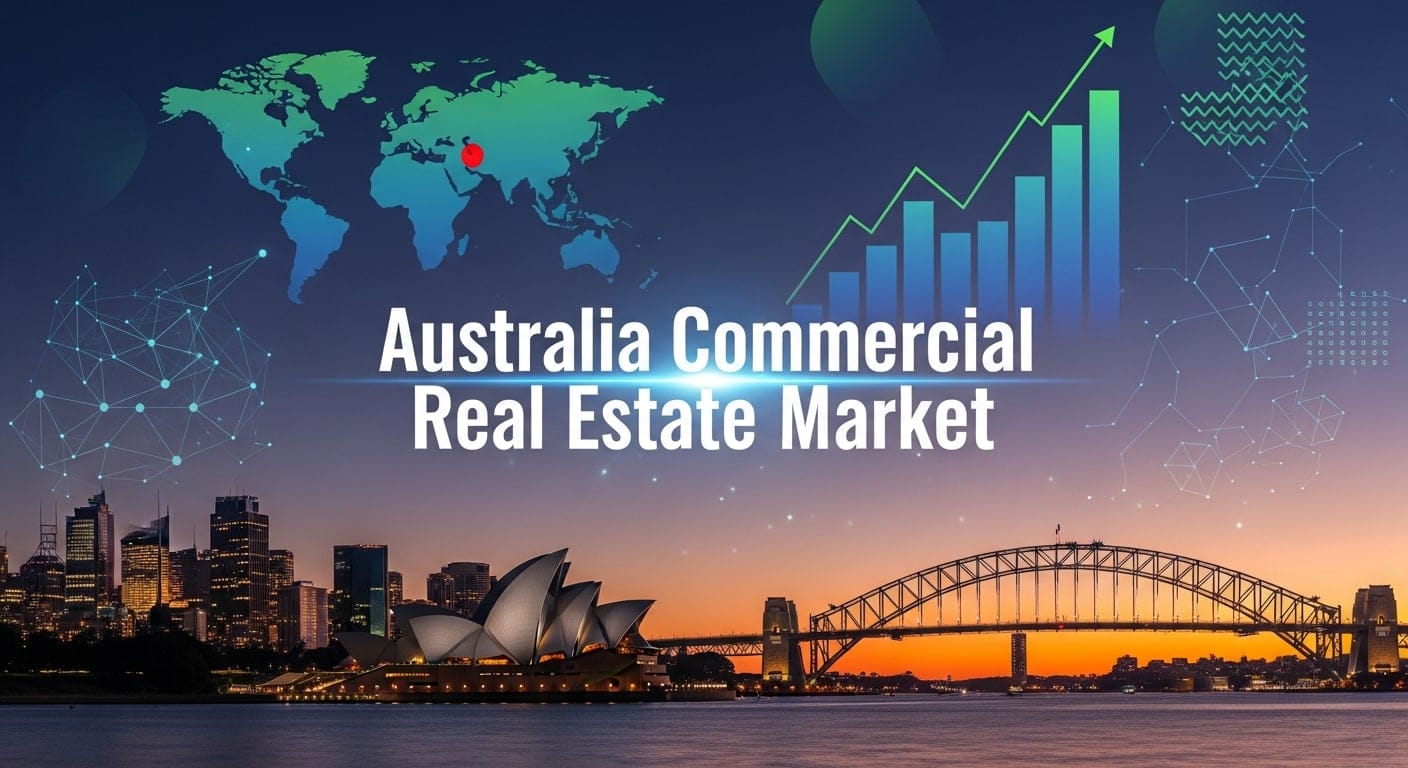
Australia’s commercial real estate market is undergoing a powerful evolution — and this shift is far from temporary. Fueled by hybrid work, logistics infrastructure growth, sustainability demands and shifting global capital, the market is reshaping itself faster than many analysts projected.
According to IMARC Group, the sector reached USD 11.96 billion in 2024 and is projected to hit USD 21.03 billion by 2033. That’s a steady 5.80% CAGR, signaling measured opportunity rather than speculative volatility.
The Forces Reshaping Australia’s CRE Market
1. Hybrid Work Is Rewriting Office Demand
Companies want less overall square footage — but far better space. Premium amenities, dynamic layouts and collaboration‑focused designs are now the core of modern leasing strategies.
2. Industrial & Logistics Property Dominance
Industrial assets are taking center stage. The rise of e‑commerce and supply-chain reorganization is accelerating demand for last‑mile hubs and national distribution centers.
3. Sustainability as a Market Divider
Energy‑efficient buildings with NABERS and Green Star certifications are outperforming traditional assets. Green design is no longer a perk — it’s a competitive requirement.
4. Capital Flow & Foreign Investment Shifts
Global investment continues to flow into Australia, but rising interest rates are shifting attention toward logistics, mixed‑use and suburban commercial developments.
Oct 2024: CBRE enters talks to acquire Burgess Rawson, signaling new interest in specialty commercial assets.
May 2025: MA Financial Group acquires IPGeneration for AUD $90.4M.
Aug 2025: A major CRE firm opens an Adelaide branch as the region sees a 16.9% volume jump.
Why This Matters for Professionals
This market shift highlights the global evolution of workspaces, capital strategy and sustainable development. The next decade of CRE success will belong to professionals who understand:
The hybrid office revolution
The surge in industrial/logistics investment
The rise of suburban commercial hubs
The growing influence of sustainability standards
Those who adapt early will hold a significant long‑term advantage.
Professional Insight: Why U.S. & Florida Pros Should Watch This
Global real estate trends don’t stay isolated. Australia’s transformation — especially in hybrid workspace, sustainability and adaptive reuse — often signals changes ahead for U.S. markets, including fast‑moving states like Florida.
For real estate agents, brokers, developers and investors in the U.S., keeping an eye on markets like Australia can provide critical early insight into emerging demand shifts.
If you’re advancing your real estate career, entering commercial markets or seeking new certifications, Cameron Academy offers flexible, career‑aligned training for today’s evolving real estate landscape — from foundational licensing to advanced specialization.
More Articles
Getting licensed or staying ahead in your career can be a journey—but it doesn’t have to be overwhelming. Grab your favorite coffee or tea, take a moment to relax, and browse through our articles. Whether you’re just starting out or renewing your expertise, we’ve got tips, insights, and advice to keep you moving forward. Here’s to your success—one sip and one step at a time!
Newman Properties, a Massachusetts-based investment firm, has expanded its footprint into Connecticut with the $3.65 million acquisition of a 6,350‑square‑foot retail building in Enfield. Anchored by national restaurant chain Red Robin, the property offers the type of stable tenancy investors seek when entering new markets. The deal underscores growing confidence in anchored retail assets and provides a valuable real-world example for real estate professionals studying market analysis, investment strategy, and portfolio expansion.
JPMorgan now expects national home prices to flatten in 2026, but the Sunbelt is telling a very different story. Florida home values are down 5.1%, Texas is down 2.4%, and analysts warn that years of rapid building are finally catching up to the region. As demand stabilizes and inventory swells, real estate professionals — especially in Florida — face a market full of challenges, opportunities, and critical timing decisions.
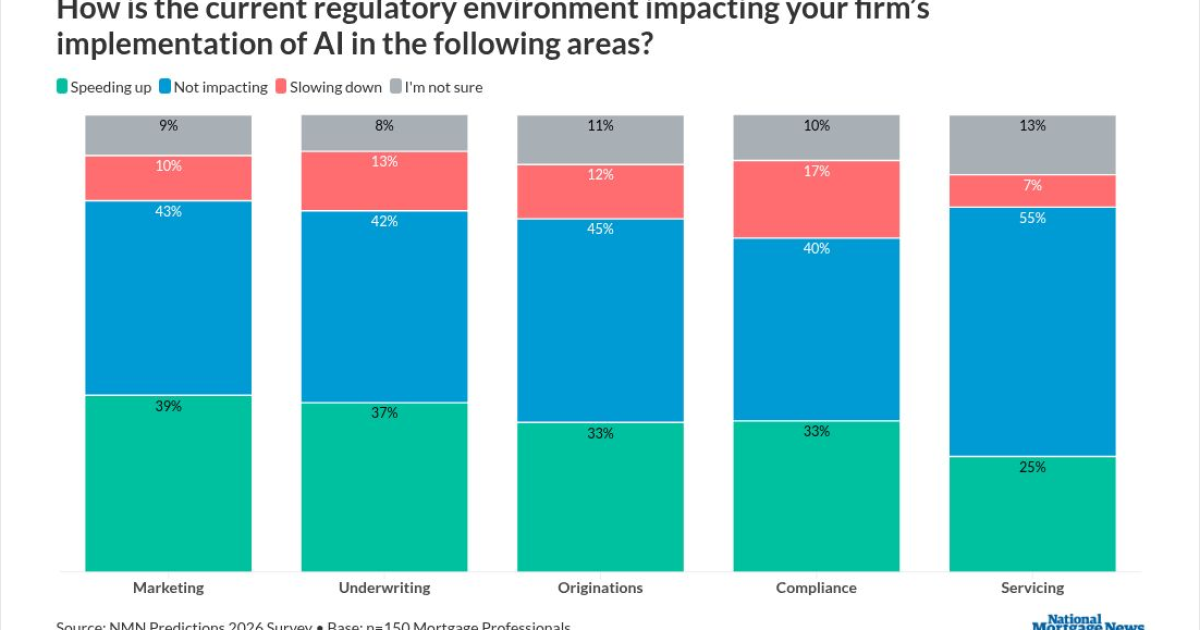
Artificial intelligence is finally stepping into the mortgage underwriting spotlight, with 57% of mortgage professionals predicting it will drive the most transformative industry shift in 2026. Thanks to major advancements in language models and workflow automation, AI is now capable of navigating the messy, document-heavy realities that have long slowed underwriting. From faster preapprovals to improved credit analysis and real‑time income verification, AI is streamlining processes while allowing underwriters to focus on true risk management. As regulatory winds shift and grassroots pressure builds within lending teams, the industry is entering a pivotal era where AI‑powered underwriting becomes not just an advantage — but an expectation.
Portland’s top 20 office towers have lost an unprecedented 70% of their value since 2019—plunging from $3 billion to under $1 billion—triggering tax revenue shortfalls, budget crises, and a surge in appeals as the city grapples with its biggest commercial real estate reset in modern history.
South Florida’s luxury real estate market just raised the bar again — this time with a $1 million virtual reality system that lets buyers walk through Dolce & Gabbana’s upcoming Miami tower long before construction wraps. Real estate master’s students were given an immersive look inside the project, discovering how VR is transforming high‑end development, influencing buyer psychology, and shaping the future skills today’s professionals need.
Long Island’s commercial real estate scene is kicking off 2026 with a surge of activity—industrial leases in Medford, neighborhood retail trades in Bohemia, Pizza Hut’s new DELCO expansion in Centereach, mixed‑use acquisitions in Melville, and major investor interest in bank‑leased and franchise-backed properties. From warehouses to restaurant rebrands, these deals highlight a region evolving fast and offering fresh opportunities for agents, investors, and professionals looking to stay ahead in the market.