
Australia’s Commercial Real Estate Market Is Transforming — Here’s What’s Really Happening

Australia commercial real estate market overview

Australia’s commercial real estate market is undergoing a powerful evolution — and this shift is far from temporary. Fueled by hybrid work, logistics infrastructure growth, sustainability demands and shifting global capital, the market is reshaping itself faster than many analysts projected.

According to IMARC Group, the sector reached USD 11.96 billion in 2024 and is projected to hit USD 21.03 billion by 2033. That’s a steady 5.80% CAGR, signaling measured opportunity rather than speculative volatility.

The Forces Reshaping Australia’s CRE Market

1. Hybrid Work Is Rewriting Office Demand
Companies want less overall square footage — but far better space. Premium amenities, dynamic layouts and collaboration‑focused designs are now the core of modern leasing strategies.

2. Industrial & Logistics Property Dominance
Industrial assets are taking center stage. The rise of e‑commerce and supply-chain reorganization is accelerating demand for last‑mile hubs and national distribution centers.

3. Sustainability as a Market Divider
Energy‑efficient buildings with NABERS and Green Star certifications are outperforming traditional assets. Green design is no longer a perk — it’s a competitive requirement.

4. Capital Flow & Foreign Investment Shifts
Global investment continues to flow into Australia, but rising interest rates are shifting attention toward logistics, mixed‑use and suburban commercial developments.

Read the original source article on Vocal.Media

Market Structure at a Glance

The commercial market spans multiple categories, including:

  • Office, retail, industrial/logistics, hospitality and mixed‑use
  • Key tenants: tech, professional services, retail, trade, logistics
  • Clear regional differences from CBD hubs to new suburban centers
  • Leading players: REITs, private equity, institutional funds and major developers

Where the Opportunities Are Growing

Australia’s CRE landscape offers expanding opportunities for strategic investors and developers:

  • ESG‑certified buildings — green assets continue to outperform.
  • Industrial & logistics properties — long-term drivers rooted in e‑commerce.
  • Hybrid‑driven workspaces — co‑working and satellite offices rising.
  • Suburban office growth — lifestyle migration boosts fringe markets.
  • Adaptive reuse — transforming underperforming offices into mixed‑use or logistics hubs.

Request the IMARC 2026 Australia CRE Report

Recent Deals & Developments

  • Oct 2024: CBRE enters talks to acquire Burgess Rawson, signaling new interest in specialty commercial assets.
  • May 2025: MA Financial Group acquires IPGeneration for AUD $90.4M.
  • Aug 2025: A major CRE firm opens an Adelaide branch as the region sees a 16.9% volume jump.

Why This Matters for Professionals

This market shift highlights the global evolution of workspaces, capital strategy and sustainable development. The next decade of CRE success will belong to professionals who understand:

  • The hybrid office revolution
  • The surge in industrial/logistics investment
  • The rise of suburban commercial hubs
  • The growing influence of sustainability standards

Those who adapt early will hold a significant long‑term advantage.

Professional Insight: Why U.S. & Florida Pros Should Watch This

Global real estate trends don’t stay isolated. Australia’s transformation — especially in hybrid workspace, sustainability and adaptive reuse — often signals changes ahead for U.S. markets, including fast‑moving states like Florida.

For real estate agents, brokers, developers and investors in the U.S., keeping an eye on markets like Australia can provide critical early insight into emerging demand shifts.

If you’re advancing your real estate career, entering commercial markets or seeking new certifications, Cameron Academy offers flexible, career‑aligned training for today’s evolving real estate landscape — from foundational licensing to advanced specialization.

More Articles

Getting licensed or staying ahead in your career can be a journey—but it doesn’t have to be overwhelming. Grab your favorite coffee or tea, take a moment to relax, and browse through our articles. Whether you’re just starting out or renewing your expertise, we’ve got tips, insights, and advice to keep you moving forward. Here’s to your success—one sip and one step at a time!

Artificial Intelligence in Diagnostics: A Revolution in Healthcare

The global market for artificial intelligence in diagnostics is poised for remarkable growth, with projections estimating it to reach USD 7.3 billion by 2032.

By |December 10, 2024|Categories: Article, Artificial Intelligence, Healthcare|Tags: , |0 Comments

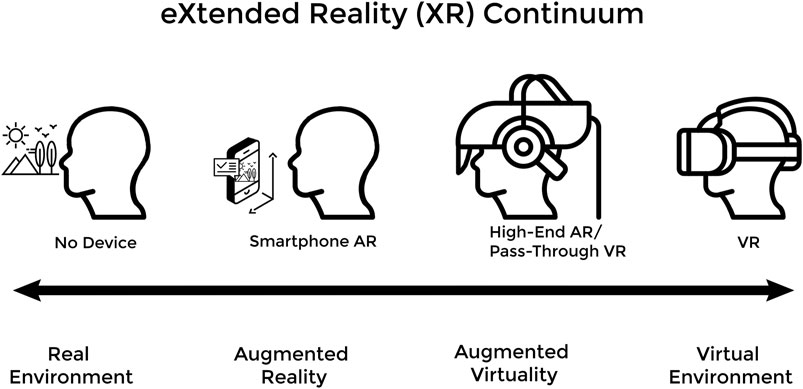
Revolutionizing Medical Education with Extended Reality

In the ever-evolving landscape of medical education, a new player has emerged, promising to revolutionize the way future doctors are trained. The integration of eXtended Reality (XR) technologies is reshaping the educational landscape by addressing the limitations of traditional methods.

Genetic Testing: A New Dawn in Healthcare

Genetic testing represents more than just a scientific advancement; it signifies a fundamental shift in how we approach health and wellness.

Sustainable Architecture: Blending Innovation with Ecological Responsibility

The journey toward sustainable architecture is ongoing, with each project serving as a beacon of what's achievable when creativity meets ecological awareness.

By |December 9, 2024|Categories: Architecture, Article, Sustainability|Tags: |0 Comments

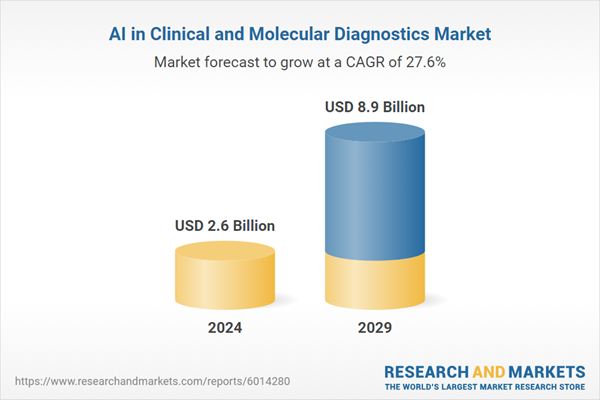
AI in Clinical and Molecular Diagnostics: A Market on the Rise

AI in Clinical and Molecular Diagnostics Market is set to experience remarkable growth, projected to surge from USD 2.6 billion in 2024 to USD 8.9 billion by 2029. This growth is driven by the integration of advanced AI technologies such as machine learning and deep learning into traditional diagnostic methodologies like imaging, genomics, and laboratory testing.

AI: A Revolution in Healthcare’s Future

AI is not a distant dream but a present reality, already integrated into everyday life through virtual assistants like Alexa and Siri. AI shows promise in enhancing medical accuracy, such as in predicting mesothelioma survival and improving colonoscopy accuracy, it is not intended to replace healthcare professionals.