Australia’s Commercial Real Estate Market Is Transforming — Here’s What’s Really Happening
Australia’s commercial real estate market is undergoing a powerful evolution — and this shift is far from temporary. Fueled by hybrid work, logistics infrastructure growth, sustainability demands and shifting global capital, the market is reshaping itself faster than many analysts projected.
According to IMARC Group, the sector reached USD 11.96 billion in 2024 and is projected to hit USD 21.03 billion by 2033. That’s a steady 5.80% CAGR, signaling measured opportunity rather than speculative volatility.
The Forces Reshaping Australia’s CRE Market
1. Hybrid Work Is Rewriting Office Demand
Companies want less overall square footage — but far better space. Premium amenities, dynamic layouts and collaboration‑focused designs are now the core of modern leasing strategies.
2. Industrial & Logistics Property Dominance
Industrial assets are taking center stage. The rise of e‑commerce and supply-chain reorganization is accelerating demand for last‑mile hubs and national distribution centers.
3. Sustainability as a Market Divider
Energy‑efficient buildings with NABERS and Green Star certifications are outperforming traditional assets. Green design is no longer a perk — it’s a competitive requirement.
4. Capital Flow & Foreign Investment Shifts
Global investment continues to flow into Australia, but rising interest rates are shifting attention toward logistics, mixed‑use and suburban commercial developments.
Oct 2024: CBRE enters talks to acquire Burgess Rawson, signaling new interest in specialty commercial assets.
May 2025: MA Financial Group acquires IPGeneration for AUD $90.4M.
Aug 2025: A major CRE firm opens an Adelaide branch as the region sees a 16.9% volume jump.
Why This Matters for Professionals
This market shift highlights the global evolution of workspaces, capital strategy and sustainable development. The next decade of CRE success will belong to professionals who understand:
The hybrid office revolution
The surge in industrial/logistics investment
The rise of suburban commercial hubs
The growing influence of sustainability standards
Those who adapt early will hold a significant long‑term advantage.
Professional Insight: Why U.S. & Florida Pros Should Watch This
Global real estate trends don’t stay isolated. Australia’s transformation — especially in hybrid workspace, sustainability and adaptive reuse — often signals changes ahead for U.S. markets, including fast‑moving states like Florida.
For real estate agents, brokers, developers and investors in the U.S., keeping an eye on markets like Australia can provide critical early insight into emerging demand shifts.
If you’re advancing your real estate career, entering commercial markets or seeking new certifications, Cameron Academy offers flexible, career‑aligned training for today’s evolving real estate landscape — from foundational licensing to advanced specialization.
More Articles
Getting licensed or staying ahead in your career can be a journey—but it doesn’t have to be overwhelming. Grab your favorite coffee or tea, take a moment to relax, and browse through our articles. Whether you’re just starting out or renewing your expertise, we’ve got tips, insights, and advice to keep you moving forward. Here’s to your success—one sip and one step at a time!
Just 48 hours after NAR unveiled major revisions to its MLS policies, plaintiffs in the Michigan-based Hardy lawsuit moved to use those changes as evidence, arguing they prove NAR’s prior rules were anticompetitive. NAR denies any wrongdoing, but the case is quickly becoming a key test for whether MLS access should require Realtor membership — a question now echoing across multiple states and potentially reshaping how real estate professionals nationwide access the industry’s most essential tool.
Florida homeowners are now paying some of the highest insurance premiums in the country, with average costs topping $5,800 per year—nearly double the national average. Residents report skyrocketing rates, denied claims, and tough choices between costly coverage and financial risk. As frustration grows, lawmakers and consumer advocates are pushing new reforms aimed at increasing transparency, capping rate hikes, and protecting policyholders in one of the nation’s most volatile insurance markets.
Economic uncertainty, rapid AI adoption, tighter capital flows, and rising portfolio risk are reshaping the 2026 commercial real estate landscape. From shifting workforce patterns to a national housing attainability crisis, the industry is entering a data‑driven, fundamentals‑focused era—making adaptability, education, and tech literacy essential for real estate professionals.
Mortgage rates have climbed to 6.23 percent as investors grow doubtful that the Federal Reserve will deliver a rate cut in December. A soft but unclear jobs report and persistent inflation have pushed borrowing costs higher, reversing October’s brief relief in the housing market. Real estate and mortgage professionals should prepare clients for continued volatility as the Fed’s December meeting approaches.
After years of tight inventory, high mortgage rates, and sluggish sales, economists say 2026 is shaping up to be the turnaround real estate professionals have been waiting for. NAR projects a 14 percent jump in home sales, mortgage rates easing toward 6 percent, and buyer demand finally gaining momentum. While higher‑end homes are moving quickly, first‑time buyers continue to face affordability challenges, and price reductions are reappearing as sellers adjust to shifting conditions. For Florida agents, brokers, and newcomers, the stage is being set for a busy and opportunity‑rich year.
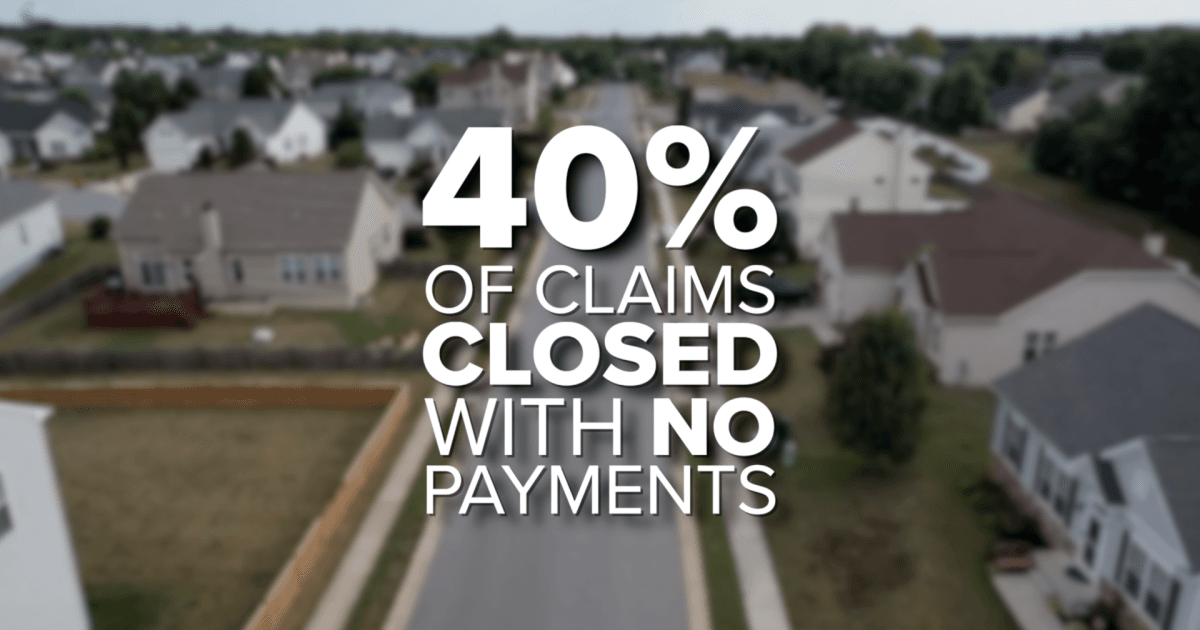
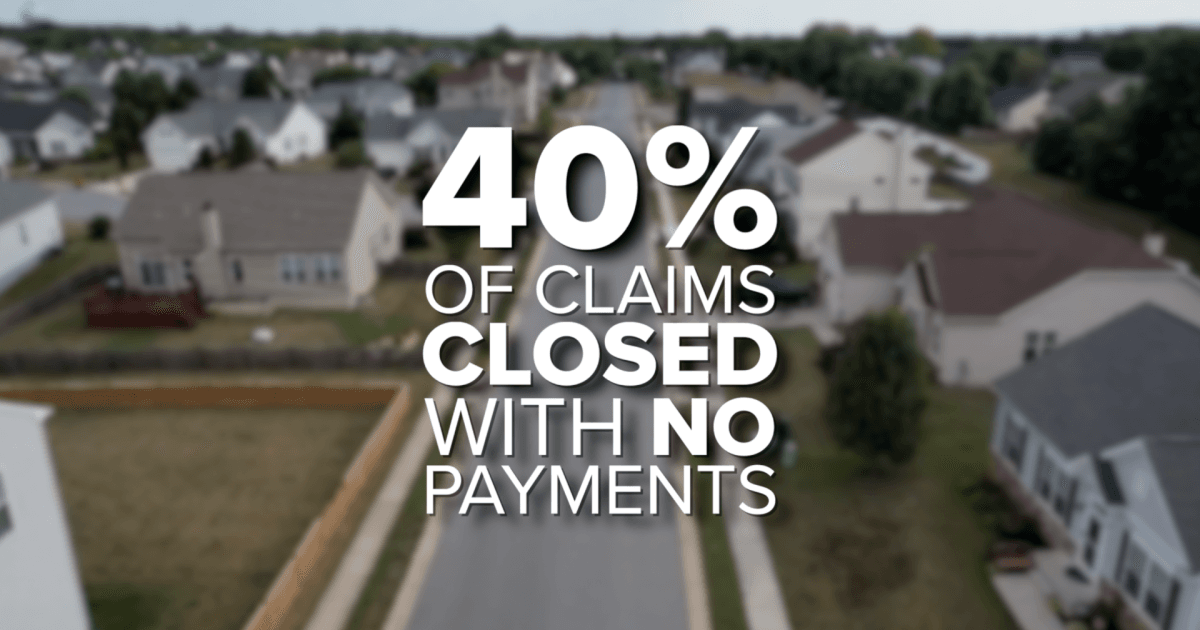
Florida’s average homeowner insurance premium has soared to $5,838 a year—almost $3,000 above the national average—pushing many residents to the financial brink. From tripled premiums to lowball claim payouts, homeowners are speaking out as frustration mounts. Some are even dropping coverage entirely. With more than 40% of claims closed without payment and policy cancellations at record levels, lawmakers are pushing for reforms, but political hurdles remain. The outcome could reshape Florida real estate, insurance, and mortgage markets for years to come.