Autonomous Vehicles: Driving the Future of Urban Mobility and Economic Growth
The recent enactment of the Automated Vehicles Act in the UK heralds a new era for transportation, with self-driving vehicles expected to hit the roads by 2026. This legislative milestone is poised to revolutionize how people and goods move across the nation, potentially transforming urban spaces and transport systems as we know them.
Economic Impact and Societal Interactions
Understanding the intersection between autonomous vehicles (AVs) and society is crucial for assessing their economic impact. According to a study referenced by the Economics Observatory, the potential economic benefits in the UK could reach £51 billion by 2030. These gains stem from consumer savings, reduced travel time, and improved safety. The UK government is actively exploring policies to ensure AVs support sustainable economic growth and contribute to the transition to net-zero emissions.
Transforming Transport and Logistics
The transport and logistics sectors are expected to be early adopters of AV technology, driven by the promise of reduced costs and increased efficiency. The elimination of human drivers could significantly cut labor expenses, while AVs’ ability to operate 24/7 could enhance productivity and customer satisfaction. Moreover, AVs could optimize delivery routes, addressing last-mile delivery challenges and improving customer experiences. Autonomous drones and robots, for example, could deliver packages to remote locations lacking proper transport infrastructure.
Personal Mobility and Social Inclusion
AVs hold the potential to improve personal mobility, particularly for individuals underserved by current transport systems, such as the elderly and those with disabilities. By reducing transport costs, AVs could enhance mobility for middle and lower-income groups, fostering social inclusion and enabling access to employment and leisure activities. Fleet-based shared automated vehicles could offer low-cost, on-demand services, complementing traditional public transport and improving first- and last-mile connections.
Challenges and Opportunities
Despite their benefits, AVs are expected to disrupt employment in sectors like public transport and delivery services, potentially leading to job losses. Policymakers must focus on education and retraining programs to help displaced workers transition to new roles. Additionally, AVs could exacerbate urban sprawl as individuals choose to live further from urban centers due to reduced transport costs and improved connectivity.
Driving Economic Growth
AVs could significantly boost productivity by reducing travel costs and enhancing connectivity between urban centers and their peripheries. This improved accessibility could lead to job and population relocations, fostering agglomeration economies and increasing firms’ productivity. A study for the United States suggests that AVs could increase GDP by $214 billion and create 2.4 million new jobs.
Environmental Sustainability
AVs offer the potential to optimize fuel consumption and reduce carbon emissions, contributing to a more sustainable transport system. By integrating electric and hybrid vehicles, AVs could further minimize greenhouse gas emissions, aiding in climate change mitigation efforts.
Addressing Concerns and Building Trust
For AVs to gain public acceptance, companies and governments must address concerns about safety, reliability, and cybersecurity. Establishing robust security measures and transparent communication will be critical in fostering public trust. The UK government’s proactive approach to regulating AVs, as outlined in their regulation plan, sets a precedent for ensuring safety and legal clarity.
Conclusion
The advent of autonomous vehicles represents a pivotal moment in the evolution of urban mobility and economic growth. As the UK prepares for their integration into public roads, addressing challenges and leveraging opportunities will be essential in shaping a smarter, more connected future.
More Articles
Getting licensed or staying ahead in your career can be a journey—but it doesn’t have to be overwhelming. Grab your favorite coffee or tea, take a moment to relax, and browse through our articles. Whether you’re just starting out or renewing your expertise, we’ve got tips, insights, and advice to keep you moving forward. Here’s to your success—one sip and one step at a time!
Cybercrime in 2025 has evolved into a full‑scale service economy, with malware now available through subscription platforms that operate like mainstream tech businesses. Bitsight’s latest analysis reveals explosive growth in Malware‑as‑a‑Service tools, rising attacks across industries like healthcare, finance, tech, and real estate, and a surge in cross‑platform malware and supply‑chain exploits. For professionals in any licensed field, the message is clear: today’s digital landscape demands heightened vigilance, stronger identity security, and proactive defense against an increasingly organized underground threat environment.
A new proptech startup in the UAE, Gllit is redefining how property deals happen by removing agents, eliminating commissions, and integrating AI tools that let users create professional listings in seconds. With a fast, transparent, and direct-to-owner model, Gllit offers a glimpse into the future of global real estate — and a powerful case study for U.S. professionals preparing for tech-driven changes in the industry.
The 2026 housing market is shaping up to be a year of stability with a few surprises. Mortgage rates are expected to hold steady, home price growth is slowing, and yet ownership costs continue to rise due to soaring taxes and insurance. Meanwhile, renting is becoming more attractive as affordability improves and built‑to‑rent communities expand. This breakdown highlights the biggest trends ahead — and what they mean for buyers, sellers, and real estate professionals, especially in Florida.
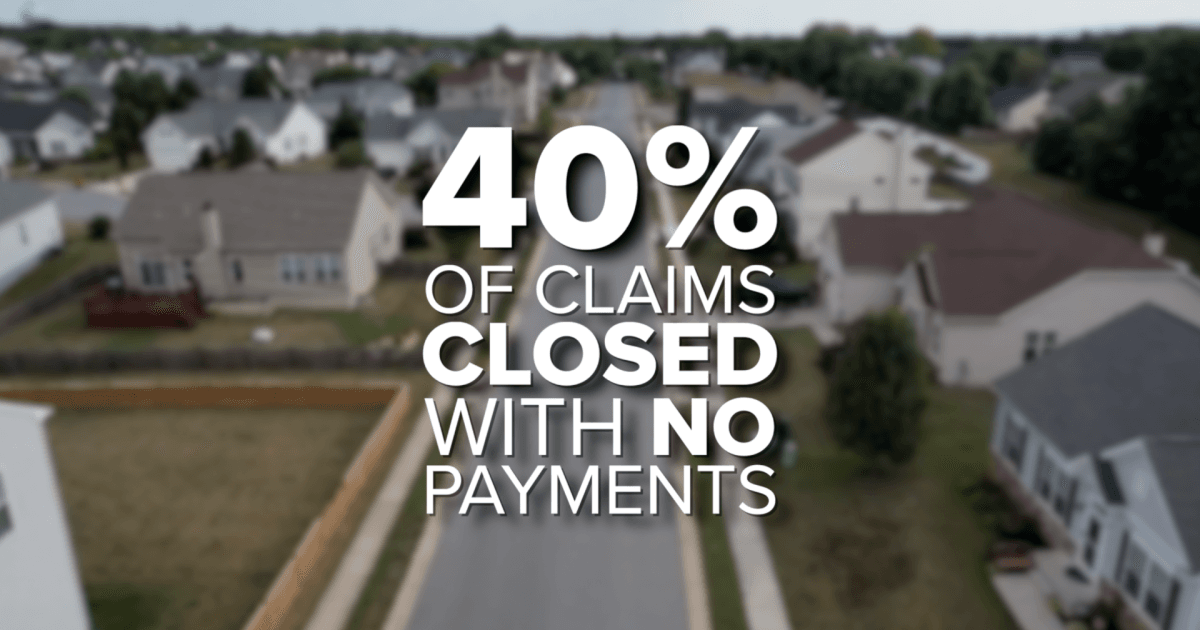
Florida homeowners are facing some of the highest insurance premiums in the nation, with average costs now topping $5,800 per year—about $3,000 above the U.S. average. Many residents report their rates have doubled or even tripled, while more than 40 percent of claims are closed with no payment. As frustration grows, state lawmakers and consumer advocates are pushing for transparency, rate caps, and incentives to help storm‑proof homes. The outcome of these reform efforts could reshape Florida’s real estate market, insurance landscape, and affordability for years to come.
A new global study from Risk.net and SAS reveals that many insurance companies are still making key decisions in isolated silos, despite industry-wide pushes toward data-driven strategies. While most leaders claim to have a clear vision, 38 percent admit they lack a real-time view of risks, revenue and costs. With poor data quality, limited collaboration and outdated processes holding teams back, experts say the industry is poised for a major transformation through AI, analytics and unified strategy—offering lessons for professionals across insurance, real estate, finance and other regulated fields.
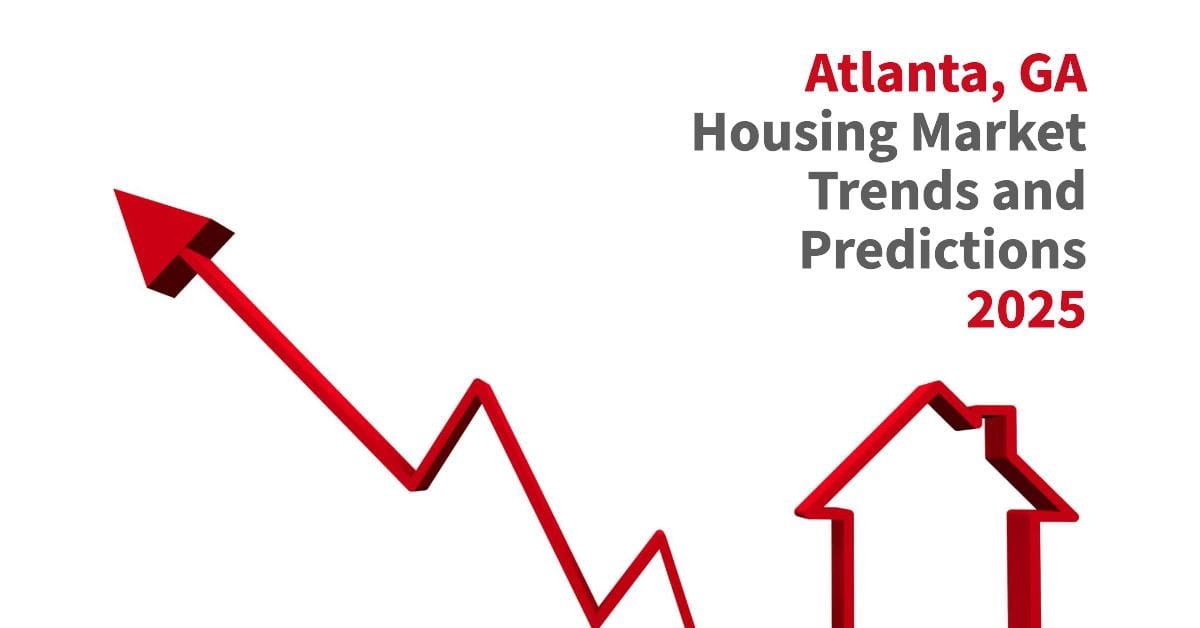
Atlanta’s housing market is shifting into a more balanced and predictable phase. Prices have leveled off, inventory has finally caught up, and mortgage rates are easing enough to bring buyers back into the game. With steady demand, growing listings, and only mild price corrections forecasted into 2026, Atlanta remains one of the Southeast’s strongest real estate markets for buyers, sellers, and investors alike.

 Conclusion
The advent of autonomous vehicles represents a pivotal moment in the evolution of urban mobility and economic growth. As the UK prepares for their integration into public roads, addressing challenges and leveraging opportunities will be essential in shaping a smarter, more connected future.
Conclusion
The advent of autonomous vehicles represents a pivotal moment in the evolution of urban mobility and economic growth. As the UK prepares for their integration into public roads, addressing challenges and leveraging opportunities will be essential in shaping a smarter, more connected future.