In the bustling realm of
New York City’s real estate market, first impressions are paramount, especially when it comes to selling your
co-op or
condo. As potential buyers navigate the sea of new condos and resales, your apartment must stand out, styled to compete with the allure of brand-new units. This is a crucial challenge, as detailed in a recent article by
Brick Underground, titled
“13 Staging Mistakes That Can Cost You the Sale of Your Co-op or Condo.”
The article underscores the importance of
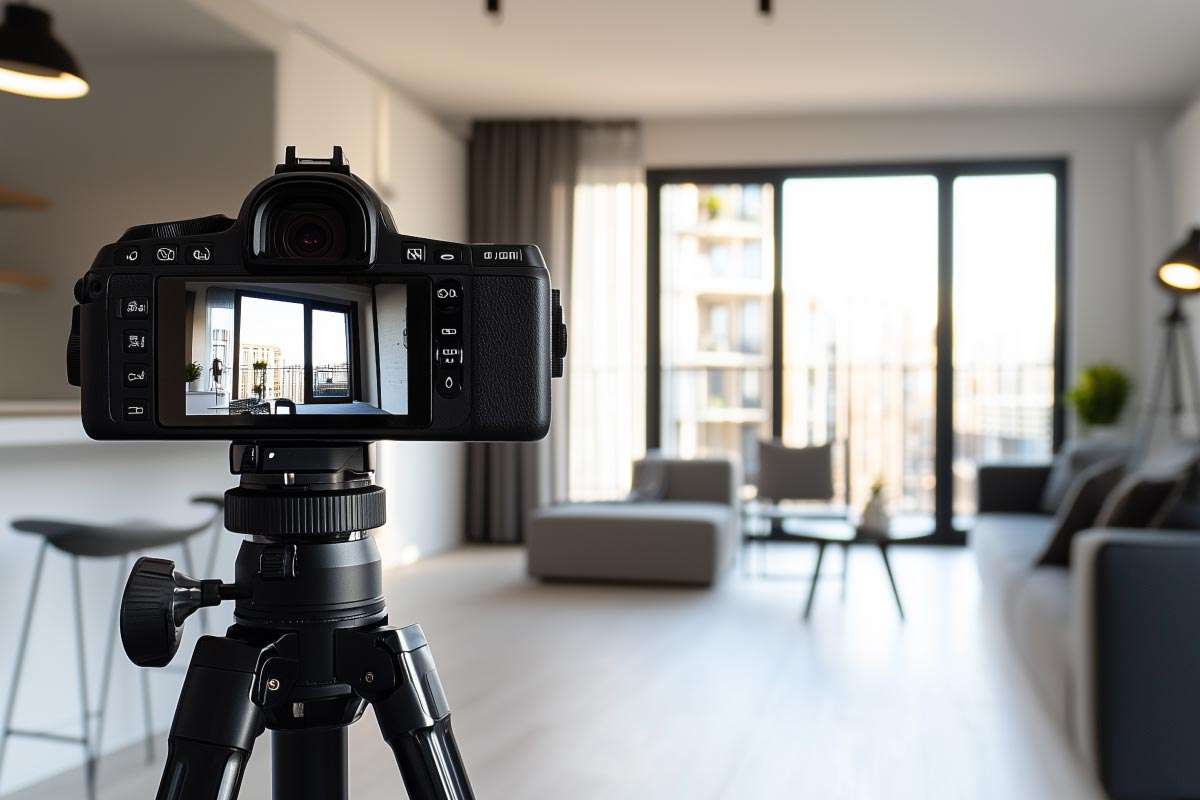
professional photography and strategic staging to showcase your apartment’s full potential. Brokers and stagers often enlist
professional photographers to capture the right angles and lighting, ensuring your listing can compete with the pristine model apartments crafted by NYC condo developers. Michael J. Franco, a broker at
Compass, emphasizes, “You cannot afford to let a resale apartment come across as a dud.”
Staging, described as “makeup” by Daniela Schneider, founder of the
staging company Quadra, plays a pivotal role in enhancing the beauty of an apartment while disguising its flaws. Whether you hire a professional or tackle the task yourself, avoiding common staging mistakes is crucial.
Here are some key staging missteps to avoid:
- Not Painting the Space: A fresh coat of one of the countless shades of white can make an apartment look clean and bright, meeting the “HGTV effect” expectations of move-in ready spaces.
- Forgoing Window Treatments: Properly installed curtains can add warmth and hide unsightly window frames. Schneider advises using neutral tones or sheer curtains to maximize natural light.
- Underestimating Lighting Fixtures: Lighting is the “jewelry of the space,” according to Schneider. Swap harsh LEDs for warm bulbs and use fixtures strategically to create intimacy and highlight focal points.
- Leaving Personal Items on Display: De-personalizing your space allows potential buyers to envision themselves living there. Schneider suggests paring down personal collections to create a neutral canvas.
- Going Too Wild with Patterns: Stick to minimal color use and avoid mismatched furniture. Trachtenberg recommends subtle pops of color to add interest without overwhelming the space.
- Being Boring and Cookie-Cutter: Stand out from the crowd by researching comparable listings and taking calculated design risks to appeal to your target demographic.
- Ignoring Clutter: Decluttering is essential. Leave closets partially empty and use storage solutions to create an organized, spacious feel.
- Letting the TV Dominate the Room: Remove or creatively integrate the TV into the design to avoid making the living room feel cold and uninviting.
- Not Adding a Home Office: Highlight potential workspaces, especially in the post-pandemic era where remote work is common.
- Blocking Your Sightlines: Use furniture to define spaces without obstructing views, ensuring buyers can appreciate the apartment’s layout.
- Crowding Your Space with Furniture: Opt for sleek, appropriately sized furniture to maintain a bright and airy feel.
- Making Your Place Too Austere: Add cozy touches like throws and fresh flowers to create a welcoming atmosphere.
- Foregoing Staging Entirely: Staging may be costly, but it can be a worthwhile investment. Empty apartments lack personality and can seem smaller than staged ones.
In the fiercely competitive
NYC real estate market, the presentation of your apartment can make or break a sale. By avoiding these staging pitfalls, sellers can enhance their property’s appeal, ensuring it stands out to discerning buyers. For more insights, read the full article on
Brick Underground.