Baltimore Pushes to Close Rental Licensing Loopholes: What It Means for Tenants and Property Professionals
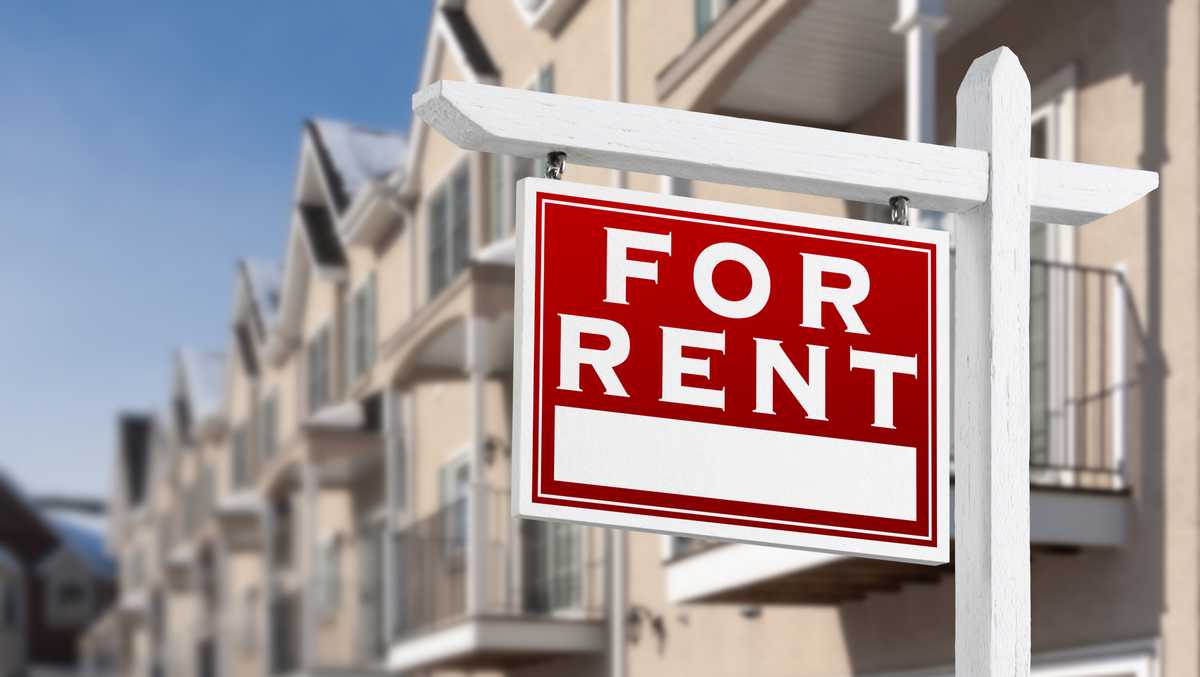
Baltimore is taking a firm stand on rental safety and compliance. Under a new proposal advancing through the Baltimore City Council, leaders aim to close long-standing loopholes in the 2019 rental licensing law. The mission is clear: protect tenants from unsafe, unlicensed, or poorly managed rental properties while strengthening accountability across the housing industry.
The effort comes after years of recurring tenant complaints about unresponsive landlords, unresolved maintenance issues, and rental properties operating without valid licenses. During a recent city hearing, residents shared powerful testimonies that shed light on how serious and widespread the issue has become.
When Licensing Fails, Tenants Pay the Price
Kylah Handy, a Baltimore resident and mother of five, described living in two separate rentals that both failed to meet basic safety requirements. She reported losing heat and hot water twice, only to later discover that both properties had licensing and code violations.
“We were heating up water to wash up with… and my gas and electric bill was $600 last month from running the heaters.”
Her story echoes across the city. Officials estimate that Baltimore still has around 45,800 unlicensed rental units operating today. Councilwoman Odette Ramos, the bill’s sponsor, expressed serious concern that some landlords received licenses despite failing to provide safe living conditions.
“Less than half of our rental properties are actually licensed.”
The Citys Plan: Stronger Enforcement, More Oversight
The proposed legislation includes several upgrades designed to modernize and reinforce the current rental system. Key improvements include:
– A clearer and more accessible tenant complaint process
– Full public disclosure of all property owners
– Stronger enforcement via a rental property receivership program
– Required annual audits of 100 to 200 licensed properties
– A ban on using immigration status to threaten tenants
One pattern the city aims to eliminate involves landlords collecting funds for utility bills but failing to pay them. According to Ramos, maintaining essential services like water should be a nonnegotiable requirement for license eligibility.
“If you are intentionally not getting a license and are an egregious violator, we are going to take your property to receivership.”
Why This Matters for Real Estate Professionals
Although the proposed changes are specific to Baltimore, the lessons extend nationwide. Compliance, ethics, and proper licensing are foundational in real estate, property management, and all housing-related industries. Professionals who stay ahead of regulatory trends will always be better equipped to protect their clients and maintain long-term success.
At Cameron Academy, we help future and active professionals in all 50 states understand not just how to earn a license, but how to operate responsibly and ethically. Regulatory shifts like Baltimore’s highlight why strong education and well-designed licensing courses matter more than ever.
Learn More About Staying Compliant
Whether you are pursuing your first real estate license or strengthening your professional toolkit, Cameron Academy offers success-driven, practical courses designed to help you stand out in a changing market.
To read the full original story, explore the source on WBAL-TV here:
WBAL-TV Article
More Articles
Getting licensed or staying ahead in your career can be a journey—but it doesn’t have to be overwhelming. Grab your favorite coffee or tea, take a moment to relax, and browse through our articles. Whether you’re just starting out or renewing your expertise, we’ve got tips, insights, and advice to keep you moving forward. Here’s to your success—one sip and one step at a time!
This summer marked a significant shift in Philadelphia's Center City office market, as the long-standing effects of the COVID-19 pandemic and the rise of remote work began to thaw. Between June and August, five major office buildings changed hands, albeit for prices significantly lower than their previous valuations. This shift reflects the broader challenges facing commercial real estate in the era of hybrid work.
In the ever-evolving landscape of real estate investment, the southern United States has emerged as a beacon of opportunity. A recent report from RealEstateNews.com highlights Florida, North Carolina, and Texas as the leading markets for investors seeking growth and stability.
In California's ongoing housing crisis, only 24 affordable units exist for every 100 extremely low-income households, highlighting a dire need for innovative solutions.
In a recent analysis by ATTOM, the housing markets of California, New Jersey, and Illinois have been spotlighted for their susceptibility to downturns. Despite a generally robust national market, these states exhibit significant vulnerabilities, particularly in the metropolitan areas of New York City and Chicago.
As the virtual world continues to expand, the metaverse has emerged as a transformative force in the real estate industry, offering a unique opportunity to diversify investments and acquire new skills.