Baltimore Pushes to Close Rental Licensing Loopholes: What It Means for Tenants and Property Professionals
Baltimore is taking a firm stand on rental safety and compliance. Under a new proposal advancing through the Baltimore City Council, leaders aim to close long-standing loopholes in the 2019 rental licensing law. The mission is clear: protect tenants from unsafe, unlicensed, or poorly managed rental properties while strengthening accountability across the housing industry.
The effort comes after years of recurring tenant complaints about unresponsive landlords, unresolved maintenance issues, and rental properties operating without valid licenses. During a recent city hearing, residents shared powerful testimonies that shed light on how serious and widespread the issue has become.
When Licensing Fails, Tenants Pay the Price
Kylah Handy, a Baltimore resident and mother of five, described living in two separate rentals that both failed to meet basic safety requirements. She reported losing heat and hot water twice, only to later discover that both properties had licensing and code violations.
“We were heating up water to wash up with… and my gas and electric bill was $600 last month from running the heaters.”
Her story echoes across the city. Officials estimate that Baltimore still has around 45,800 unlicensed rental units operating today. Councilwoman Odette Ramos, the bill’s sponsor, expressed serious concern that some landlords received licenses despite failing to provide safe living conditions.
“Less than half of our rental properties are actually licensed.”
The Citys Plan: Stronger Enforcement, More Oversight
The proposed legislation includes several upgrades designed to modernize and reinforce the current rental system. Key improvements include:
– A clearer and more accessible tenant complaint process
– Full public disclosure of all property owners
– Stronger enforcement via a rental property receivership program
– Required annual audits of 100 to 200 licensed properties
– A ban on using immigration status to threaten tenants
One pattern the city aims to eliminate involves landlords collecting funds for utility bills but failing to pay them. According to Ramos, maintaining essential services like water should be a nonnegotiable requirement for license eligibility.
“If you are intentionally not getting a license and are an egregious violator, we are going to take your property to receivership.”
Why This Matters for Real Estate Professionals
Although the proposed changes are specific to Baltimore, the lessons extend nationwide. Compliance, ethics, and proper licensing are foundational in real estate, property management, and all housing-related industries. Professionals who stay ahead of regulatory trends will always be better equipped to protect their clients and maintain long-term success.
At Cameron Academy, we help future and active professionals in all 50 states understand not just how to earn a license, but how to operate responsibly and ethically. Regulatory shifts like Baltimore’s highlight why strong education and well-designed licensing courses matter more than ever.
Learn More About Staying Compliant
Whether you are pursuing your first real estate license or strengthening your professional toolkit, Cameron Academy offers success-driven, practical courses designed to help you stand out in a changing market.
To read the full original story, explore the source on WBAL-TV here:
WBAL-TV Article
More Articles
Getting licensed or staying ahead in your career can be a journey—but it doesn’t have to be overwhelming. Grab your favorite coffee or tea, take a moment to relax, and browse through our articles. Whether you’re just starting out or renewing your expertise, we’ve got tips, insights, and advice to keep you moving forward. Here’s to your success—one sip and one step at a time!
The title insurance industry is entering 2026 with a renewed focus on technology, operational efficiency, and stronger agent support after years of volatility. Leaders from major underwriters report rising transaction activity, improved affordability, and a surge in automation and fraud‑prevention tools—signs that smarter systems and better training will define the next wave of growth.
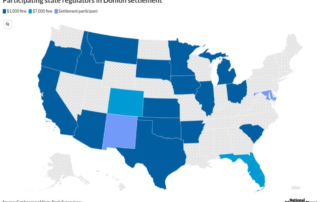
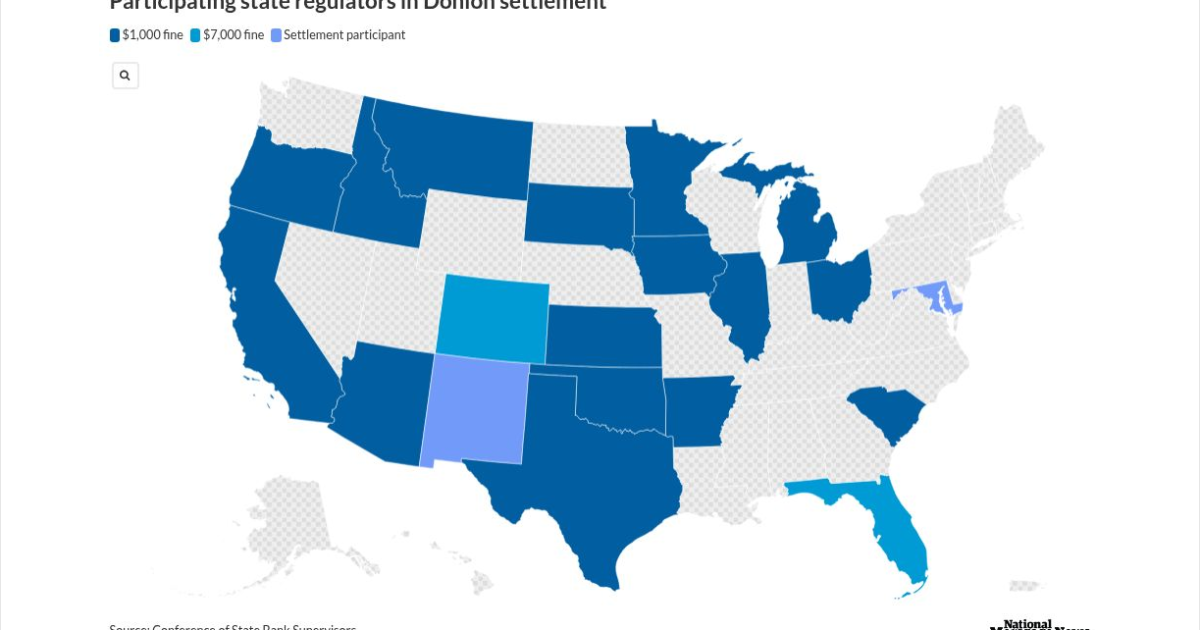
A multistate crackdown has sent shockwaves through the mortgage industry as Patrick Terrance Donlon, CEO of Trusted American Mortgage, accepted a sweeping settlement that bans him from working as a mortgage loan originator in 21 states—19 of them permanently. Regulators say Donlon had another individual complete his mandatory licensing and continuing‑education courses, a violation that triggered a coordinated investigation and a $31,000 penalty. The case underscores regulators’ growing intolerance for education fraud and serves as a sharp reminder to industry professionals: cutting corners on licensing can end careers.
Florida’s once‑booming housing market is cooling fast as rising insurance premiums, increasing foreclosures, and expanding flood zones push buyers to back out of deals and force sellers to cut prices. With insurance now adding thousands to annual housing costs, professionals across real estate, mortgage, and insurance are navigating a dramatically shifting landscape that’s redefining affordability in the Sunshine State.
Florida begins 2026 with a wave of more than 250 new laws now in effect, impacting healthcare, insurance, real estate, and consumer protections statewide. From free breast cancer screenings for state employees to tighter pet insurance regulations, mandatory healthcare refund rules, enhanced animal‑cruelty penalties, and new condo‑management requirements, these updates carry major implications for professionals navigating Florida’s evolving regulatory landscape.
Florida’s barrier islands may offer postcard-perfect beaches and soaring real estate demand, but they’re also some of the most fragile and costly places to build in the United States. With 765,000 residents living on land that shifts, sinks, and takes the brunt of every major hurricane, the financial and insurance risks are accelerating fast. From billion‑dollar beach rebuilds to towers settling into the sand, today’s coastal development challenges are reshaping conversations around property values, disclosure, and long‑term resilience. For real estate professionals, understanding these risks isn’t just smart — it’s becoming essential.
A Cedar City development is turning heads with its fresh approach to affordability. The team behind Temple View Commons is delivering luxury‑inspired twin homes at prices below the local median by using a small, hands‑on staff and cutting traditional costs like realtor commissions. In a tight Utah housing market where inventory is scarce and prices remain high, their strategy offers a realistic path to homeownership without sacrificing high‑end finishes.


 Title Insurance Leaders Double Down on Tech and Efficiency to Drive 2026 Market Momentum Gallery