Baltimore Pushes to Close Rental Licensing Loopholes: What It Means for Tenants and Property Professionals
Baltimore is taking a firm stand on rental safety and compliance. Under a new proposal advancing through the Baltimore City Council, leaders aim to close long-standing loopholes in the 2019 rental licensing law. The mission is clear: protect tenants from unsafe, unlicensed, or poorly managed rental properties while strengthening accountability across the housing industry.
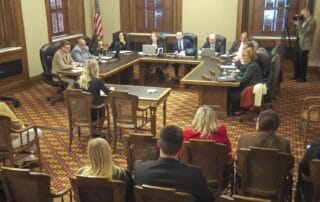
The effort comes after years of recurring tenant complaints about unresponsive landlords, unresolved maintenance issues, and rental properties operating without valid licenses. During a recent city hearing, residents shared powerful testimonies that shed light on how serious and widespread the issue has become.
When Licensing Fails, Tenants Pay the Price
Kylah Handy, a Baltimore resident and mother of five, described living in two separate rentals that both failed to meet basic safety requirements. She reported losing heat and hot water twice, only to later discover that both properties had licensing and code violations.
“We were heating up water to wash up with… and my gas and electric bill was $600 last month from running the heaters.”
Her story echoes across the city. Officials estimate that Baltimore still has around 45,800 unlicensed rental units operating today. Councilwoman Odette Ramos, the bill’s sponsor, expressed serious concern that some landlords received licenses despite failing to provide safe living conditions.
“Less than half of our rental properties are actually licensed.”
The Citys Plan: Stronger Enforcement, More Oversight
The proposed legislation includes several upgrades designed to modernize and reinforce the current rental system. Key improvements include:
– A clearer and more accessible tenant complaint process
– Full public disclosure of all property owners
– Stronger enforcement via a rental property receivership program
– Required annual audits of 100 to 200 licensed properties
– A ban on using immigration status to threaten tenants
One pattern the city aims to eliminate involves landlords collecting funds for utility bills but failing to pay them. According to Ramos, maintaining essential services like water should be a nonnegotiable requirement for license eligibility.
“If you are intentionally not getting a license and are an egregious violator, we are going to take your property to receivership.”
Why This Matters for Real Estate Professionals
Although the proposed changes are specific to Baltimore, the lessons extend nationwide. Compliance, ethics, and proper licensing are foundational in real estate, property management, and all housing-related industries. Professionals who stay ahead of regulatory trends will always be better equipped to protect their clients and maintain long-term success.
At Cameron Academy, we help future and active professionals in all 50 states understand not just how to earn a license, but how to operate responsibly and ethically. Regulatory shifts like Baltimore’s highlight why strong education and well-designed licensing courses matter more than ever.
Learn More About Staying Compliant
Whether you are pursuing your first real estate license or strengthening your professional toolkit, Cameron Academy offers success-driven, practical courses designed to help you stand out in a changing market.
To read the full original story, explore the source on WBAL-TV here:
WBAL-TV Article
More Articles
Getting licensed or staying ahead in your career can be a journey—but it doesn’t have to be overwhelming. Grab your favorite coffee or tea, take a moment to relax, and browse through our articles. Whether you’re just starting out or renewing your expertise, we’ve got tips, insights, and advice to keep you moving forward. Here’s to your success—one sip and one step at a time!
Florida now holds the highest foreclosure rate in the country, and Tampa sits at the center of the surge. With one in every 1,373 homes facing foreclosure, skyrocketing insurance premiums, rising housing costs and reduced equity are pushing many homeowners—especially those who purchased between 2020 and 2023—into financial distress. While some experts view the spike as a market “normalization,” professionals in real estate and finance are watching closely as Tampa’s backlog clears and pressure continues to build across the state.
Two former 3M campuses in Northwest Austin are set for a dramatic rebirth as Karlin Real Estate pushes forward with plans for Highpoint 2222 and the Duval site. The vision includes office and lab space, up to 65,000 square feet of retail, more than 1,200 multifamily homes, and new green space. With over 500 residents weighing in through the 2222 Coalition of Neighborhood Associations, traffic, density, and environmental protections are shaping the final blueprint. As office demand cools, mixed‑use development is becoming the new normal—positioning this corridor for one of the biggest transformations Austin has seen in years.
Despite constant headlines about a “housing crisis,” many economists and industry professionals argue the reality is more nuanced. In many regions, the issue isn’t a lack of homes but a mismatch between what’s available and what buyers want or can afford. As demographic shifts and remote work reshape demand, the market is evolving—not collapsing—creating opportunities for real estate, mortgage, insurance, and finance professionals who understand the difference between perception and reality.
Hurricane Ian’s aftermath has exposed a growing affordability crisis across Southwest Florida. Skyrocketing insurance premiums, soaring construction costs, and rapid gentrification are making it harder for long‑time residents and middle‑class families to stay in their communities. From Fort Myers Beach to inland neighborhoods, homeowners, renters, and small businesses are feeling the pressure as rising costs reshape the region’s housing market and push many to reconsider their future in the state.
Florida’s home insurance market is facing its biggest credibility crisis in years. Despite major reforms meant to stabilize the system, homeowners are being pushed from Citizens into higher‑priced private insurers, many tied to companies that previously collapsed. Questionable financial ratings, high claim‑denial rates, and luxury‑level executive payouts are raising red flags across the state. For real estate and insurance professionals, this unstable landscape is reshaping home affordability, buyer confidence, and long‑term risk in Florida’s property market.
A new Michigan House bill aims to let licensed professionals complete all continuing education requirements online, offering greater flexibility for workers juggling rural travel, multiple jobs, or family demands. Supporters say the reform maintains high professional standards while removing unnecessary barriers, with regulators backing the shift and in‑person options remaining available.