Bank Regulations Are Shifting — Here’s How They’re Reshaping Commercial Real Estate

Bank regulations and cre changes

New FDIC reporting rules are here — and they’re changing how banks classify, disclose, and manage commercial real estate loans. These reforms aim to increase transparency and long-term liquidity across the banking sector. Source: Cushman & Wakefield.

What Happened?

The FDIC’s 2025 overhaul of the Consolidated Reports of Condition and Income — known industry-wide as the Call Reports — marks one of the most significant transparency updates in modern banking. Analysts at Cushman & Wakefield’s Equity, Debt & Structured Finance (EDSF) team emphasize how this change replaces the long‑standing “Troubled Debt Restructuring” category with a clearer label: “modifications to borrowers experiencing financial difficulty.”

The reforms also widen reporting requirements for loans tied to structured financial products and non‑depository institutions. Beyond that, they align capital and long‑term debt disclosures with Basel III Endgame standards — giving regulators a sharper lens on institutional risk.

In short: the FDIC wants cleaner data, clearer signals of credit quality, and more consistent reporting — and that means commercial real estate will feel the impact directly.

What It Means for Commercial Real Estate

While more transparency is a positive for the long term, the short-term market effects may bring a cautious slowdown. With modified loans appearing more prominently in filings, banks may temporarily look riskier on paper — potentially tightening lending decisions.

But there’s a meaningful upside: banks can now reclassify modified loans back into the performing category after 12 consecutive months of on-time payments. This frees capital, reduces reserves, and lets lenders re‑enter the market sooner with fresh CRE funding.

Ultimately, these reforms may lead to a healthier, more stable commercial real estate environment, with improved liquidity and more predictable credit behavior — especially within income‑producing asset classes.

What’s Next?

In the quarters ahead, the new reporting rules should help distinguish truly distressed loans from those undergoing structured adjustments. Banks with stronger balance sheets may benefit most, as improved data clarity allows them to price credit more precisely and potentially reduce loan spreads.

Borrowers might experience slightly longer processing times while lenders recalibrate internal systems. But once the market stabilizes, the result could be improved overall liquidity and a more reliable lending landscape across stabilized CRE sectors.

For professionals in real estate, mortgage, banking, and finance — especially those advancing their credentials — these regulatory shifts highlight the importance of staying educated. Cameron Academy continues supporting professionals nationwide with high‑value licensing and continuing‑education programs designed for an evolving regulatory world.

More Articles

Getting licensed or staying ahead in your career can be a journey—but it doesn’t have to be overwhelming. Grab your favorite coffee or tea, take a moment to relax, and browse through our articles. Whether you’re just starting out or renewing your expertise, we’ve got tips, insights, and advice to keep you moving forward. Here’s to your success—one sip and one step at a time!

The Genetic Revolution: CRISPR and Public Opinion

CRISPR-Cas9 democratizes the ability to edit genomes with unprecedented precision and ease, transforming scientific research and sparking profound societal and ethical debates.

Revolutionizing Healthcare: The AI Transformation

Artificial Intelligence (AI) is no longer a futuristic concept in healthcare; it is a reality reshaping the industry today. Visionaries like Vinod Khosla have long predicted AI's potential, foreseeing its ability to replace up to 80% of standard medical tasks. This transformation is now evident as AI technologies begin to outperform traditional methods, particularly in areas requiring precision and data processing.

Exploring the Intersection of AI and Patient-Centered Care

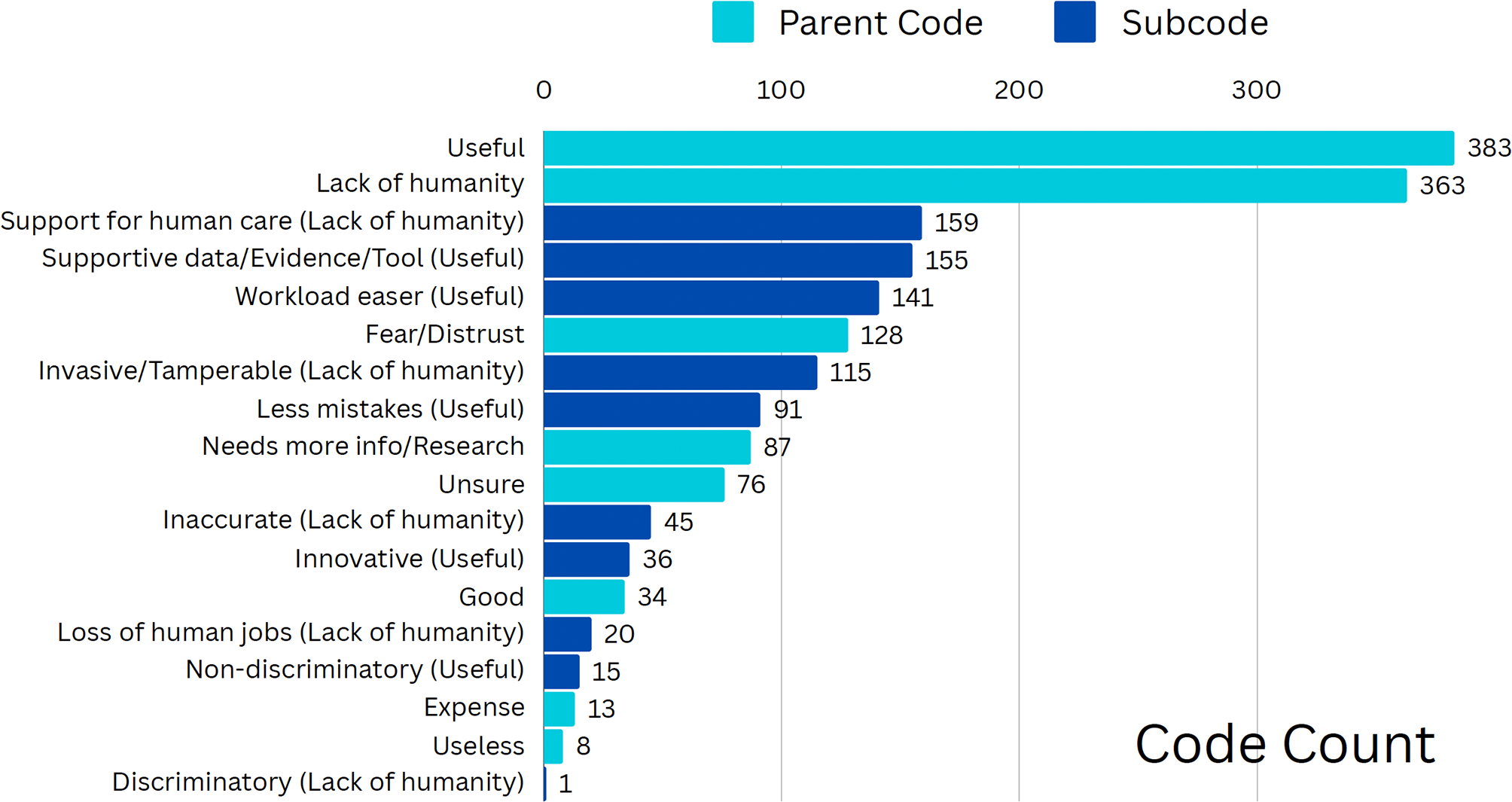
In a groundbreaking study published in BMC Medical Ethics, researchers have delved into the public's perception of artificial intelligence (AI) in healthcare, spotlighting both ethical concerns and potential opportunities for enhancing patient-centered care.

By |December 19, 2024|Categories: Article, Ethics, Healthcare|Tags: , |0 Comments

The AI Revolution in Real Estate

The real estate industry is experiencing a seismic shift, thanks to the integration of artificial intelligence (AI). This cutting-edge technology is fundamentally transforming property acquisition, sales, and management processes. AI's influence extends to predictive analytics, which are reshaping investment decisions, and virtual property tours, which are revolutionizing how we navigate the real estate landscape.

By |December 19, 2024|Categories: Article, Artificial Intelligence, Real Estate|Tags: |0 Comments

Virtual Care in 2024: Challenges and Opportunities for Telehealth

The telehealth market is experiencing a remarkable surge, driven by the increasing adoption of digital health solutions and remote care services.

NAR 2024 Sustainability Report: A Greener Future for Real Estate

The findings suggest that the industry is on the cusp of a "green revolution," with significant strides being made towards sustainability.


By |December 18, 2024|Categories: Article, Real Estate, Sustainability|Tags: , |0 Comments