
Bank Regulations Are Shifting — Here’s How They’re Reshaping Commercial Real Estate

Bank regulations and cre changes

New FDIC reporting rules are here — and they’re changing how banks classify, disclose, and manage commercial real estate loans. These reforms aim to increase transparency and long-term liquidity across the banking sector. Source: Cushman & Wakefield.

What Happened?

The FDIC’s 2025 overhaul of the Consolidated Reports of Condition and Income — known industry-wide as the Call Reports — marks one of the most significant transparency updates in modern banking. Analysts at Cushman & Wakefield’s Equity, Debt & Structured Finance (EDSF) team emphasize how this change replaces the long‑standing “Troubled Debt Restructuring” category with a clearer label: “modifications to borrowers experiencing financial difficulty.”

The reforms also widen reporting requirements for loans tied to structured financial products and non‑depository institutions. Beyond that, they align capital and long‑term debt disclosures with Basel III Endgame standards — giving regulators a sharper lens on institutional risk.

In short: the FDIC wants cleaner data, clearer signals of credit quality, and more consistent reporting — and that means commercial real estate will feel the impact directly.

What It Means for Commercial Real Estate

While more transparency is a positive for the long term, the short-term market effects may bring a cautious slowdown. With modified loans appearing more prominently in filings, banks may temporarily look riskier on paper — potentially tightening lending decisions.

But there’s a meaningful upside: banks can now reclassify modified loans back into the performing category after 12 consecutive months of on-time payments. This frees capital, reduces reserves, and lets lenders re‑enter the market sooner with fresh CRE funding.

Ultimately, these reforms may lead to a healthier, more stable commercial real estate environment, with improved liquidity and more predictable credit behavior — especially within income‑producing asset classes.

What’s Next?

In the quarters ahead, the new reporting rules should help distinguish truly distressed loans from those undergoing structured adjustments. Banks with stronger balance sheets may benefit most, as improved data clarity allows them to price credit more precisely and potentially reduce loan spreads.

Borrowers might experience slightly longer processing times while lenders recalibrate internal systems. But once the market stabilizes, the result could be improved overall liquidity and a more reliable lending landscape across stabilized CRE sectors.

For professionals in real estate, mortgage, banking, and finance — especially those advancing their credentials — these regulatory shifts highlight the importance of staying educated. Cameron Academy continues supporting professionals nationwide with high‑value licensing and continuing‑education programs designed for an evolving regulatory world.

More Articles

Getting licensed or staying ahead in your career can be a journey—but it doesn’t have to be overwhelming. Grab your favorite coffee or tea, take a moment to relax, and browse through our articles. Whether you’re just starting out or renewing your expertise, we’ve got tips, insights, and advice to keep you moving forward. Here’s to your success—one sip and one step at a time!

Artificial Intelligence in Diagnostics: A Revolution in Healthcare

The global market for artificial intelligence in diagnostics is poised for remarkable growth, with projections estimating it to reach USD 7.3 billion by 2032.

By |December 10, 2024|Categories: Article, Artificial Intelligence, Healthcare|Tags: , |0 Comments

Revolutionizing Medical Education with Extended Reality

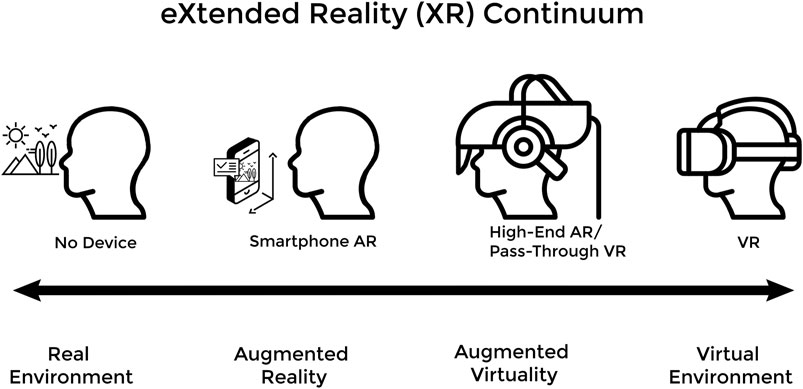
In the ever-evolving landscape of medical education, a new player has emerged, promising to revolutionize the way future doctors are trained. The integration of eXtended Reality (XR) technologies is reshaping the educational landscape by addressing the limitations of traditional methods.

Genetic Testing: A New Dawn in Healthcare

Genetic testing represents more than just a scientific advancement; it signifies a fundamental shift in how we approach health and wellness.

Sustainable Architecture: Blending Innovation with Ecological Responsibility

The journey toward sustainable architecture is ongoing, with each project serving as a beacon of what's achievable when creativity meets ecological awareness.

By |December 9, 2024|Categories: Architecture, Article, Sustainability|Tags: |0 Comments

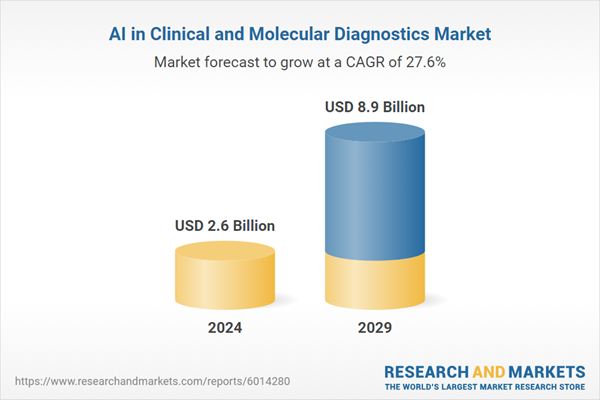
AI in Clinical and Molecular Diagnostics: A Market on the Rise

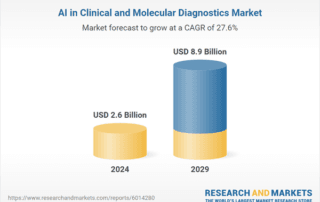
AI in Clinical and Molecular Diagnostics Market is set to experience remarkable growth, projected to surge from USD 2.6 billion in 2024 to USD 8.9 billion by 2029. This growth is driven by the integration of advanced AI technologies such as machine learning and deep learning into traditional diagnostic methodologies like imaging, genomics, and laboratory testing.

AI: A Revolution in Healthcare’s Future

AI is not a distant dream but a present reality, already integrated into everyday life through virtual assistants like Alexa and Siri. AI shows promise in enhancing medical accuracy, such as in predicting mesothelioma survival and improving colonoscopy accuracy, it is not intended to replace healthcare professionals.