
Bank Regulations Are Shifting — Here’s How They’re Reshaping Commercial Real Estate

Bank regulations and cre changes

New FDIC reporting rules are here — and they’re changing how banks classify, disclose, and manage commercial real estate loans. These reforms aim to increase transparency and long-term liquidity across the banking sector. Source: Cushman & Wakefield.

What Happened?

The FDIC’s 2025 overhaul of the Consolidated Reports of Condition and Income — known industry-wide as the Call Reports — marks one of the most significant transparency updates in modern banking. Analysts at Cushman & Wakefield’s Equity, Debt & Structured Finance (EDSF) team emphasize how this change replaces the long‑standing “Troubled Debt Restructuring” category with a clearer label: “modifications to borrowers experiencing financial difficulty.”

The reforms also widen reporting requirements for loans tied to structured financial products and non‑depository institutions. Beyond that, they align capital and long‑term debt disclosures with Basel III Endgame standards — giving regulators a sharper lens on institutional risk.

In short: the FDIC wants cleaner data, clearer signals of credit quality, and more consistent reporting — and that means commercial real estate will feel the impact directly.

What It Means for Commercial Real Estate

While more transparency is a positive for the long term, the short-term market effects may bring a cautious slowdown. With modified loans appearing more prominently in filings, banks may temporarily look riskier on paper — potentially tightening lending decisions.

But there’s a meaningful upside: banks can now reclassify modified loans back into the performing category after 12 consecutive months of on-time payments. This frees capital, reduces reserves, and lets lenders re‑enter the market sooner with fresh CRE funding.

Ultimately, these reforms may lead to a healthier, more stable commercial real estate environment, with improved liquidity and more predictable credit behavior — especially within income‑producing asset classes.

What’s Next?

In the quarters ahead, the new reporting rules should help distinguish truly distressed loans from those undergoing structured adjustments. Banks with stronger balance sheets may benefit most, as improved data clarity allows them to price credit more precisely and potentially reduce loan spreads.

Borrowers might experience slightly longer processing times while lenders recalibrate internal systems. But once the market stabilizes, the result could be improved overall liquidity and a more reliable lending landscape across stabilized CRE sectors.

For professionals in real estate, mortgage, banking, and finance — especially those advancing their credentials — these regulatory shifts highlight the importance of staying educated. Cameron Academy continues supporting professionals nationwide with high‑value licensing and continuing‑education programs designed for an evolving regulatory world.

More Articles

Getting licensed or staying ahead in your career can be a journey—but it doesn’t have to be overwhelming. Grab your favorite coffee or tea, take a moment to relax, and browse through our articles. Whether you’re just starting out or renewing your expertise, we’ve got tips, insights, and advice to keep you moving forward. Here’s to your success—one sip and one step at a time!

Is Florida’s Booming Real Estate Market Becoming Unaffordable?

Florida is facing a real estate crisis marked by skyrocketing insurance premiums, stringent FEMA rules, and a surge in hedge fund property acquisitions.

By |November 14, 2024|Categories: Article, Finance/Economy, Real Estate|Tags: , |0 Comments

Revolutionizing Cancer Therapy: The Promise of Patient-Derived Organoids

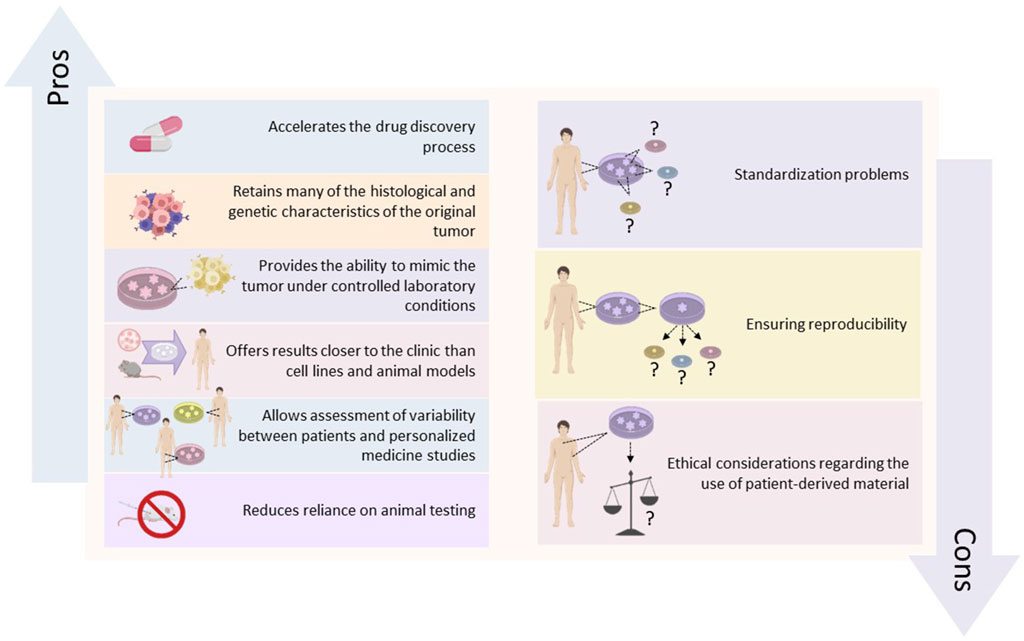
Patient-derived organoids offer an unprecedented opportunity to replicate the complex structure and genetic makeup of cancers, providing a more accurate model for clinical drug screening and pharmacognostic assessment.

The AI Revolution in Dermatology: A Systematic Review

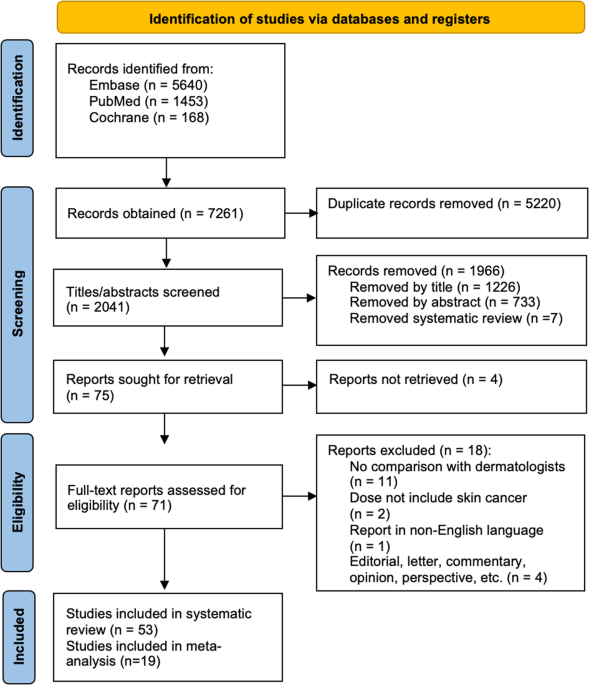
In a groundbreaking study published in Nature, researchers have delved into the burgeoning field of artificial intelligence (AI) in dermatology, specifically examining its role in diagnosing skin cancer. The study, titled "A Systematic Review and Meta-Analysis of Artificial Intelligence Versus Clinicians for Skin Cancer Diagnosis," offers a comprehensive look at how AI stacks up against human clinicians in this critical area of healthcare.

By |November 14, 2024|Categories: AI in Healthcare, Article, Dermatology|Tags: , |0 Comments

The Fast Lane to Fully Autonomous Vehicles: Industry Innovations and Future Prospects

The automotive world is abuzz with announcements from major players like Tesla, Rimac, Renault, and Nissan, each unveiling plans to introduce autonomous vehicles in the near future. Tesla's much-anticipated "CyberCab" is set for an October 2024 debut, while Rimac and Renault are gearing up for releases in 2026.

Futureproofing for Insurers: The Role of AI and Hyper-Personalization

In a rapidly evolving industry, insurance companies are turning to artificial intelligence (AI) and hyper-personalization to stay ahead of the curve.

Revolutionizing Healthcare: The Power and Potential of AI

AI technology offers a multitude of benefits, from enhancing patient outcomes to reducing healthcare costs and improving population health. Its application ranges from preventive screenings to complex diagnostic procedures, marking a new era in medical care.

By |November 13, 2024|Categories: Article, Artificial Intelligence, Healthcare|Tags: , |0 Comments