Becoming a Real Estate Agent: A Comprehensive Guide
In the bustling world of real estate, agents play a pivotal role, akin to the “brains behind the operation,” as described in a recent Realtor.com article. With nearly 1.6 million agents nationwide, the profession is on an upward trajectory, reflecting its growing importance in the housing market.
For those intrigued by the prospect of becoming a real estate agent, the path is outlined in four crucial steps:
Familiarize with state regulations and requirements: Each state has its own set of rules, making it essential to research thoroughly or consult your local real estate commission.
Complete pre-license education: This involves varying hours of coursework, ranging from 15 to 180 hours, depending on the state.
Obtain a real estate license: Passing the state-specific real estate exam is critical. The exam covers national and state-specific real estate laws and practices.
Join a suitable brokerage: A brokerage provides the foundation for your career, offering training, marketing, and valuable real-life experience.
Beyond these steps, the career offers several benefits, such as:
Flexible scheduling: As your own boss, you can set your own hours.
Niche specialization: Agents can choose to focus on specific areas, like luxury properties or new constructions.
Helping others: Agents play a crucial role in helping clients achieve their real estate dreams.
For those questioning if this career is the right fit, consider the traits needed: being a people person, embracing challenges, and having a passion for your community. If these qualities resonate, a career in real estate might be your calling.
Getting licensed or staying ahead in your career can be a journey—but it doesn’t have to be overwhelming. Grab your favorite coffee or tea, take a moment to relax, and browse through our articles. Whether you’re just starting out or renewing your expertise, we’ve got tips, insights, and advice to keep you moving forward. Here’s to your success—one sip and one step at a time!
Michigan hunters are set to experience significant changes in the upcoming deer hunting season as new regulations are announced by the Michigan Department of Natural Resources (DNR). These changes, effective August 1, are aimed at refining hunting practices and ensuring sustainable wildlife management.
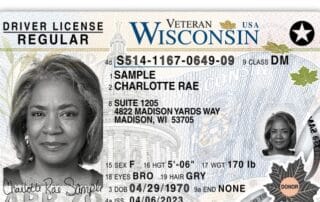
Beginning on May 7, 2025, anyone aged 18 and older will need a Real ID-compliant driver's license or another TSA-approved identification to board domestic flights or access certain federal facilities. The Real ID, identifiable by a star in the upper right corner of Wisconsin IDs, is a more secure version of a driver's license.
As the vibrant housing market in Washington, D.C. continues to flourish, aspiring real estate agents are eager to make their mark. But with a myriad of educational options, selecting the right real estate school can be daunting.
In today's complex financial landscape, the role of a Certified Financial Planner (CFP) has become increasingly crucial for individuals seeking sound financial advice.
In an era where the voices of the younger generation are more crucial than ever, The New York Times has unveiled its much-anticipated 2024-25 Student Contest Calendar.
In the rapidly evolving world of artificial intelligence, researchers are facing a new challenge: developing tests that A.I. systems cannot easily pass... This trend raises a chilling question: Are A.I. systems becoming too advanced for us to measure effectively?