
Becoming a Real Estate Agent: A Comprehensive Guide

In the bustling world of real estate, agents play a pivotal role, akin to the “brains behind the operation,” as described in a recent Realtor.com article. With nearly 1.6 million agents nationwide, the profession is on an upward trajectory, reflecting its growing importance in the housing market.

For those intrigued by the prospect of becoming a real estate agent, the path is outlined in four crucial steps:

  1. Familiarize with state regulations and requirements: Each state has its own set of rules, making it essential to research thoroughly or consult your local real estate commission.
  2. Complete pre-license education: This involves varying hours of coursework, ranging from 15 to 180 hours, depending on the state.
  3. Obtain a real estate license: Passing the state-specific real estate exam is critical. The exam covers national and state-specific real estate laws and practices.
  4. Join a suitable brokerage: A brokerage provides the foundation for your career, offering training, marketing, and valuable real-life experience.

Beyond these steps, the career offers several benefits, such as:

  • Flexible scheduling: As your own boss, you can set your own hours.
  • Niche specialization: Agents can choose to focus on specific areas, like luxury properties or new constructions.
  • Helping others: Agents play a crucial role in helping clients achieve their real estate dreams.

For those questioning if this career is the right fit, consider the traits needed: being a people person, embracing challenges, and having a passion for your community. If these qualities resonate, a career in real estate might be your calling.

For more insights and resources, visit the Realtor.com Resource Center.

Real estate image

More Articles

Getting licensed or staying ahead in your career can be a journey—but it doesn’t have to be overwhelming. Grab your favorite coffee or tea, take a moment to relax, and browse through our articles. Whether you’re just starting out or renewing your expertise, we’ve got tips, insights, and advice to keep you moving forward. Here’s to your success—one sip and one step at a time!

Artificial Intelligence in Diagnostics: A Revolution in Healthcare

The global market for artificial intelligence in diagnostics is poised for remarkable growth, with projections estimating it to reach USD 7.3 billion by 2032.

By |December 10, 2024|Categories: Article, Artificial Intelligence, Healthcare|Tags: , |0 Comments

Revolutionizing Medical Education with Extended Reality

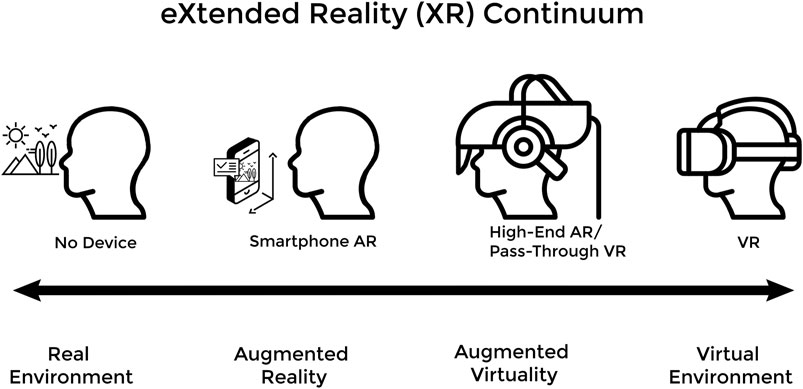
In the ever-evolving landscape of medical education, a new player has emerged, promising to revolutionize the way future doctors are trained. The integration of eXtended Reality (XR) technologies is reshaping the educational landscape by addressing the limitations of traditional methods.

Genetic Testing: A New Dawn in Healthcare

Genetic testing represents more than just a scientific advancement; it signifies a fundamental shift in how we approach health and wellness.

Sustainable Architecture: Blending Innovation with Ecological Responsibility

The journey toward sustainable architecture is ongoing, with each project serving as a beacon of what's achievable when creativity meets ecological awareness.

By |December 9, 2024|Categories: Architecture, Article, Sustainability|Tags: |0 Comments

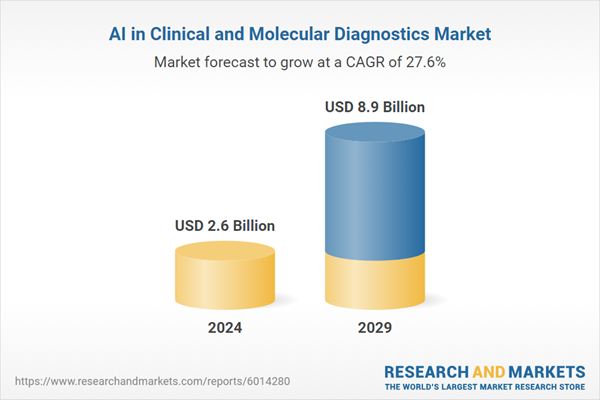
AI in Clinical and Molecular Diagnostics: A Market on the Rise

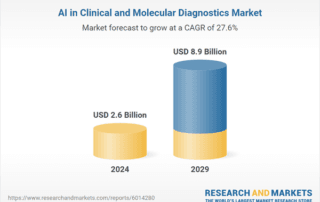
AI in Clinical and Molecular Diagnostics Market is set to experience remarkable growth, projected to surge from USD 2.6 billion in 2024 to USD 8.9 billion by 2029. This growth is driven by the integration of advanced AI technologies such as machine learning and deep learning into traditional diagnostic methodologies like imaging, genomics, and laboratory testing.

AI: A Revolution in Healthcare’s Future

AI is not a distant dream but a present reality, already integrated into everyday life through virtual assistants like Alexa and Siri. AI shows promise in enhancing medical accuracy, such as in predicting mesothelioma survival and improving colonoscopy accuracy, it is not intended to replace healthcare professionals.