In today’s rapidly evolving job market, a college degree might not be the golden ticket it once was. As industries shift and adapt, employers are increasingly seeking candidates who bring more than just academic qualifications to the table. This shift towards skills-based hiring signifies that the value of a degree is now complemented by a diverse skill set and relevant experience.
The original Investopedia article highlights how higher education, while still valuable, is no longer the sole determinant of career success. It underscores the importance of continuous learning and acquiring practical skills to stand out in today’s competitive job market.
The Changing Landscape of Employment
A report from the Center of Education and the Workforce at Georgetown University projects that by 2031, nearly 70% of jobs will require some form of postsecondary education. However, not all of these roles will necessitate a four-year degree. In many fields, particularly in the managerial and professional sectors, skills in STEM (science, technology, engineering, and math), education, and healthcare are increasingly in demand.
Skills Over Degrees
Employers are placing a premium on skills like communication, adaptability, and problem-solving. According to a 2024 LinkedIn survey, these soft skills are as crucial as technical expertise, especially in management roles. The ability to lead and influence, even without a formal title, is becoming a sought-after trait.
Additionally, as noted by career expert Christian Lovell, many companies no longer view a degree as a requirement for roles such as project management. Instead, they focus on specific skills and experience, such as stakeholder management and budget oversight. The field of project management, for example, offers lucrative opportunities with average salaries around $90,942, and it is expected to grow by 7% by 2033, according to the U.S. Bureau of Labor Statistics.
What You Can Do
For those who feel their degree might not suffice, there are actionable steps to enhance employability. Engaging in upskilling and reskilling through online courses, boot camps, and certifications can bridge the gap between academic knowledge and practical skills. TalentGuard emphasizes the strategic importance of adapting to changing skill demands.
Furthermore, gaining practical experience through internships, volunteering, and freelancing can bolster a candidate’s portfolio. Networking remains a powerful tool for job seekers, as connections often lead to opportunities that cold applications cannot.
The Bottom Line
In conclusion, while a college degree remains a valuable asset, it is no longer the definitive path to career success. As the job market continues to evolve, possessing a robust set of skills and relevant experience is paramount. By understanding industry demands and preparing accordingly, individuals can enhance their employability and secure their desired roles.
More Articles
Getting licensed or staying ahead in your career can be a journey—but it doesn’t have to be overwhelming. Grab your favorite coffee or tea, take a moment to relax, and browse through our articles. Whether you’re just starting out or renewing your expertise, we’ve got tips, insights, and advice to keep you moving forward. Here’s to your success—one sip and one step at a time!
November marked another cooldown for commercial real estate, with total deal volume dropping 10% year over year and falling below even 2020’s levels. While overall activity is slowing, investors are concentrating their money on bigger, more resilient assets—driving a 51% surge in deals over $100 million and pushing average transaction sizes well above historical norms. Multifamily remains the strongest sector, office deals are becoming more strategically focused, and medical office and data centers continue to outperform as long‑term demand stays solid.
After years of stalled activity, commercial real estate may finally be nearing a rebound. Experts say that expected interest‑rate drops in 2026 could reignite investor confidence, unlock sidelined capital, and boost deal flow across multiple sectors. But the outlook isn’t uniformly sunny—multifamily faces oversupply, industrial is cooling after years of rapid growth, and weakening employment conditions may slow absorption. For professionals across real estate, mortgage, insurance, and finance, the shifting landscape presents both challenges and major opportunities for those who stay informed and properly licensed.
Consumer Reports delivered a major warning to Congress, highlighting how rapidly expanding fintech tools—especially AI‑driven platforms—are outpacing consumer protections. In testimony before the House Subcommittee on Digital Assets, Financial Technology and AI, CR called for stronger, clearer rules to prevent hidden fees, predatory practices, and confusion within digital financial products. For professionals in real estate, mortgages, insurance, and finance, these emerging regulations may soon influence lending decisions, underwriting, credit evaluations, and compliance expectations across the industry.
Amazon is preparing to cut up to 30,000 corporate jobs by mid‑2026 as it pivots aggressively toward automation and AI. Following 14,000 layoffs in late 2025, the company is eliminating layers of management to redirect billions into robotics, generative AI systems, and supercomputing partnerships. While warehouse hiring continues for seasonal demand, Amazon’s internal shift reveals a broader nationwide trend: white‑collar roles across tech, finance, logistics, and more are being reshaped by automation at unprecedented speed.
Florida’s real estate market enters 2026 with new leadership at the helm as Chuck Bonfiglio, broker-owner of AAA Realty Group, is officially installed as President of Florida Realtors. With more than 230,000 members behind the association, Bonfiglio highlights affordability, insurance reform, and taxes as key priorities while expressing optimism about easing mortgage rates, stabilizing prices, and growing inventory. Backed by years of statewide and national Realtor leadership, he aims to guide professionals through another transformative year alongside a newly appointed 2026 leadership team.
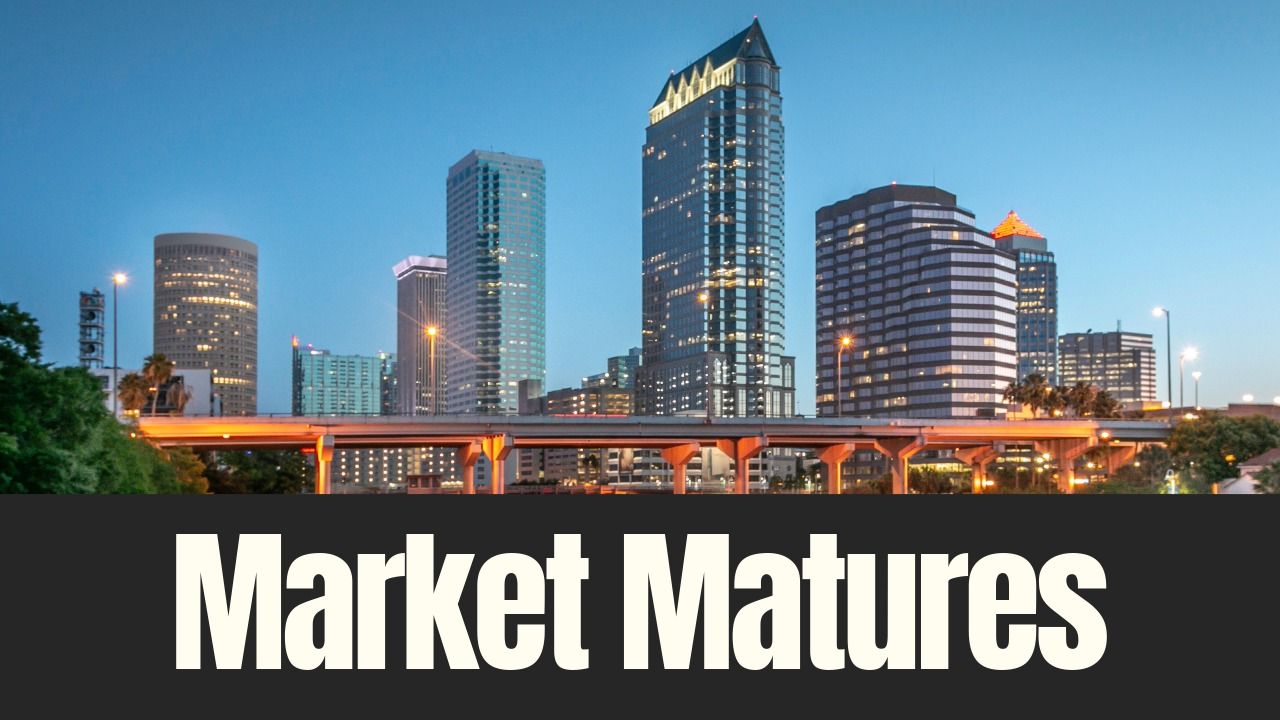
Tampa isn’t cooling off—it’s getting smarter. After years of rapid expansion, the city’s commercial real estate market has shifted into a more disciplined, selective phase. Population growth remains strong, office leasing is outperforming national trends, industrial activity is normalizing sustainably, and retail is seeing renewed investor confidence. With capital becoming more cautious and health care real estate emerging as a major growth sector, Tampa is entering a new era focused on strategy, execution, and long‑term fundamentals.

:max_bytes(150000):strip_icc():format(webp)/GettyImages-2117118389-8a5e60c2bdaf459b95e351a8b039b30c.jpg "Beyond Degrees: Mastering Skills For Career Success In A Dynamic Job Market 2")