Ever Wondered Why Real Estate Exams Feel Like Brain Surgery?

Let’s face it—studying for the real estate exam feels like being force-fed a dictionary while simultaneously dissecting a Sudoku puzzle. After trawling through Jonathan Goforth’s marathon YouTube transcript—a treasure trove of real estate practice questions—I found myself flinching at words like “alienated,” “hypothecated,” and “impertinence.” Who knew passing the real estate exam felt like acing a spelling bee for vocabulary you’ll never use again (yes, I’m looking at you, “severance”)?

But hey, if reaction content is your preferred dose of study procrastination, you’re in for a treat. Consider this article your much-needed coffee break—a relatable, digestible analysis of Jonathan’s 75-best-question classroom. Let’s dive in, shall we?


Context: What Is Jonathan’s Video Even About?

Picture this: Jonathan Goforth (yes, that’s really his name—does fate truly exist?) sits down with us eager learners to share 75 handpicked real estate exam questions. By “handpicked,” I mean he plucked them from previous videos because, well, when you’ve got content, why not cobble together a highlight reel? He promises these questions work for all 50 states—which is comforting, unless, like me, you’re bad at math anywhere.

He wants us to master concepts like leasehold estates, deed restrictions, and the strange world of easements (spoiler: it’s way less exciting than it sounds). But wait, there’s more—he includes tips on overcoming obnoxious test trickery and the dreaded double negatives. You know the drill: “Which of the following is not unessential?” Um… what?

By the end of it, you’re ready to scream, “Yes, Jonathan, I will screenshot every slide and pass this test just so I can stop hearing the word ‘encumbrance’ in my nightmares!”


Main Reaction: Confusing Yet Weirdly Addictive

The Good

  • Instant Clarity on Tough Concepts: It’s like he grabbed that bowl of spaghetti noodles you call knowledge and untangled it. For example:
    • Appurtenances: Sounds like a Hogwarts spell but actually means rights or improvements that “run with the land.” Get a pool? Boom, appurtenance. Mineral rights? Yup, that too.
    • Encumbrances: These are party poopers like liens and easements that burden property titles. Got a fence? Sorry, that’s not “easy, breezy, beautiful” either.
  • Cheat Sheet Tips for Math Haters: Jonathan gives you simple formulas for stuff like calculating real estate taxes or down payments. Example: “Property sold for $400,000. LTV is 80%. What’s the loan?” Math-phobes rejoice—he shows you exactly when to multiply, subtract, and ignore irrelevant details.
  • Realistic Test Scenarios: Jonathan delivers tricky questions you’ll undoubtedly see on your exam. Remember “Which government power does not include condemnation?” (Hint: It’s not listed, because condemnation is a process… mind blown).

The Frustrating

  • The Transcript Reads Like a Scroll from the Dark Ages: Clocking in at enough words to rival War and Peace, this script kind of broke me. I scrolled endlessly trying to stay on track. It didn’t help that questions like “Which of the following is not a characteristic of land?” required mental gymnastics just to break down.
  • Vocabulary Overload: Severance? Alienation? Hypothecation? I mean, does anyone actually say these things outside the exam? Realistically, you’ll forget 75% of this the second you ace the test. (Trust me, I’ve Googled “tenancy in common” five times already.)

Analysis And Comparisons: Why Jonathan Is The MVP of Real Estate Prep

From YouTube University to cram apps, there are a gazillion ways to prep for the real estate exam. Yet Jonathan’s granular video sticks out because:

  • He’s Thorough AF: Unlike TikTokers breezing through ten-second flashcards, Jonathan dives dee-eep. Want to understand why a ceiling fan is personal property until it’s installed (hello, fixture status)? He’s got you covered.
  • His Humor is Dry and Dad-Like: Occasionally self-deprecating, Jonathan is like that one teacher who goes rogue on lecture plans but somehow keeps the jokes coming. Example: He reminds us that Realtors rarely use the fancy jargon the test obsessively drills into our heads. A truth bomb I needed.

Engagement: So… What Did YOU Think?

Look, we can’t all be walking encyclopedias like Jonathan. I’m genuinely curious—how are you tackling real estate study stress? Are you screencapping YouTube slides like a digital hoarder? How many practice questions have sent you into a minor existential crisis?

Let’s vent together—leave a comment below! Whether you’re team “memorize the glossary” or team “watch-the-test-prep-guy-three-times-faster,” I genuinely want to hear your study hacks and horror stories.


Wrap-Up

So, does Jonathan’s 75-question practice video work? Absolutely. Will it make your head spin? Oh, 100%. Yet, there’s something oddly satisfying about working through his giant buffet of questions and finding yourself accidentally… learning?

Trust me, if you can survive this transcript, you’re ready to crush whatever curveball your real estate exam throws at you.

Good luck out there, future Realtors! You’re gonna nail it. 🏡

“`

More Articles

Getting licensed or staying ahead in your career can be a journey—but it doesn’t have to be overwhelming. Grab your favorite coffee or tea, take a moment to relax, and browse through our articles. Whether you’re just starting out or renewing your expertise, we’ve got tips, insights, and advice to keep you moving forward. Here’s to your success—one sip and one step at a time!

The Great Housing Reset: What Redfin Predicts for 2026

Redfin forecasts a slow but meaningful return to normalcy in the U.S. housing market starting in 2026. Instead of a crash or a rapid correction, the year marks the beginning of a “Great Housing Reset” where affordability gradually improves, mortgage rates ease into the low‑6% range, home sales tick upward, and renters, buyers, and professionals finally feel less market pressure. From wage growth outpacing home prices to rising refi activity and the rise of AI‑powered real estate tools, 2026 is shaping up to be a foundational year for real estate careers and long‑term market stability.

Climate Disasters Are Outpacing Insurance Uptake as the Global Protection Gap Nears Crisis Levels

Hurricane Melissa’s destruction in Jamaica highlights a growing global reality: climate risks are accelerating faster than insurance adoption. With more than 90% of disaster losses in developing regions going uninsured and a worldwide protection gap exceeding $1.8 trillion annually, experts warn that traditional insurance systems can no longer keep up. New models—like parametric payouts, community‑based aggregation and bundled climate tools—are emerging, but governments and corporations must step in to prevent financial shocks from destabilizing entire economies.

AI-Powered Excavators? Gravis Robotics Secures $23M to Tackle Construction’s Growing Labor Crisis

Gravis Robotics, a Zurich-based startup, just raised $23 million to bring autonomous tech to construction sites facing a massive operator shortage. As demand surges for renewable energy projects, data centers, and new housing, Gravis retrofits traditional heavy machinery with AI-driven systems that can work autonomously or via remote guidance. With trials already underway across seven countries, the company is pushing a future where humans and robots collaborate — speeding up development timelines and reshaping industries from construction to real estate.

Zillow Drops Climate Risk Scores—What It Means for Agents, Buyers, and the Future of Real Estate

Zillow has quietly removed its climate‑risk scores after months of pressure from agents, homeowners, and listing services who said the warnings were scaring off buyers. The move has sparked a national debate: Is this a win for real estate sales or a setback for consumer transparency? Critics warn that without clear climate‑risk data, families could be “flying blind” into costly surprises like insurance spikes and flood damage. As climate impacts intensify and disclosure expectations rise, real estate professionals must stay informed—because whether Zillow shows the data or not, the risks aren’t going anywhere.

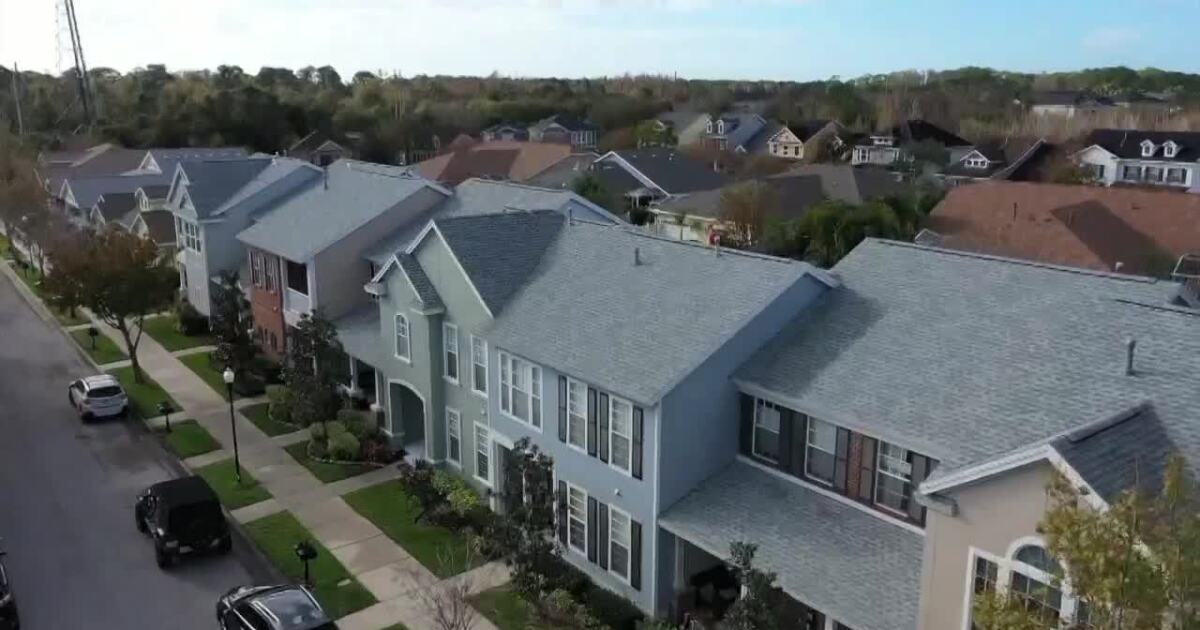
Florida’s Property Insurance Battle Heats Up as 2026 Approaches

Florida’s property insurance crisis is becoming the defining issue heading into the 2026 election season. Republicans argue that recent reforms are finally stabilizing the market, pointing to reduced litigation and cooling reinsurance costs. Democrats counter that families are still facing unbearable premiums, with condo prices dropping over 8% and Floridians paying some of the highest insurance rates in the nation. As lawmakers prepare to return to Tallahassee, the future of insurance reform is set to become the central political fight—one that will directly impact homeowners, investors, and real estate professionals across the state.

The Invisible Backbone Transforming Modern Real Estate

Connectivity has become one of the most powerful differentiators in today’s real estate market. As smart buildings, automation, and sustainability demands accelerate, fiber networks are replacing outdated copper systems and reshaping property value. With lower energy use, unified smart‑building capabilities, reduced long‑term costs, and stronger tenant satisfaction, digital infrastructure is now central to investment strategy. Real estate professionals who understand this shift gain a competitive edge as the industry moves toward cleaner, smarter, more connected buildings.