Blockchain and Microcredit: A New Dawn for Financial Inclusion in Kenya?
In the heart of Kenya, a financial revolution is quietly unfolding. As traditional banking systems grapple with challenges of accessibility and trust, a new player emerges on the scene—blockchain-based microcredit. This innovative approach could potentially transform financial inclusion in the region, a topic explored in a recent article by Monash Lens.
The story of microcredit is not new. Pioneered by the Grameen Bank, microcredit has been a beacon of hope, offering financial lifelines to entrepreneurs in developing countries. Its success in Bangladesh, with a loan recovery rate surpassing traditional systems, underscores its potential. But in Kenya, the narrative takes a digital twist with blockchain technology.
The Blockchain Advantage
Blockchain offers a decentralized, secure alternative to conventional banking. By eliminating intermediaries, it reduces costs and enhances transaction security. This is particularly beneficial in regions like Sub-Saharan Africa, where financial inclusion lags behind the global average, as noted by the World Bank.
However, the journey is fraught with challenges. Financial literacy remains a significant barrier, as highlighted by research by Schuetz and Venkatesh. Low education levels and a lack of awareness impede the adoption of financial services. Yet, the introduction of blockchain-based systems could serve as a catalyst for education and empowerment.
Overcoming Barriers
The integration of blockchain with existing platforms like M-Pesa could be transformative. While M-Pesa has revolutionized mobile banking in Kenya, it faces challenges such as privacy and security. Blockchain’s encrypted, immutable transactions offer a solution, enhancing transparency and reducing fraud risks.
For blockchain to succeed, strategic implementation and comprehensive education are crucial. Our recent study funded by the Ethereum Foundation, reveals that understanding the platform’s benefits motivates users to learn. Solutions include localized education, practical use cases, and continuous engagement through community initiatives.
A Promising Future
As PricewaterhouseCoopers emphasizes, blockchain-based financial products must be accessible, reliable, and user-friendly to foster inclusion. The potential is promising, but success hinges on overcoming educational and infrastructural hurdles.
Kenya stands on the brink of a financial transformation. By blending blockchain’s innovative capabilities with M-Pesa’s established network, a more inclusive and resilient financial future is within reach. The question remains: can blockchain-based microcredit truly transform financial inclusion in Kenya? The answer, as the Monash Lens article suggests, is a hopeful yet conditional yes.
More Articles
Getting licensed or staying ahead in your career can be a journey—but it doesn’t have to be overwhelming. Grab your favorite coffee or tea, take a moment to relax, and browse through our articles. Whether you’re just starting out or renewing your expertise, we’ve got tips, insights, and advice to keep you moving forward. Here’s to your success—one sip and one step at a time!
With increasing governmental and private investments, the demand for precision medicine is expected to rise steadily. The commitment to addressing chronic conditions, coupled with strategic industry collaborations and advanced diagnostic tools, will sustain market growth.
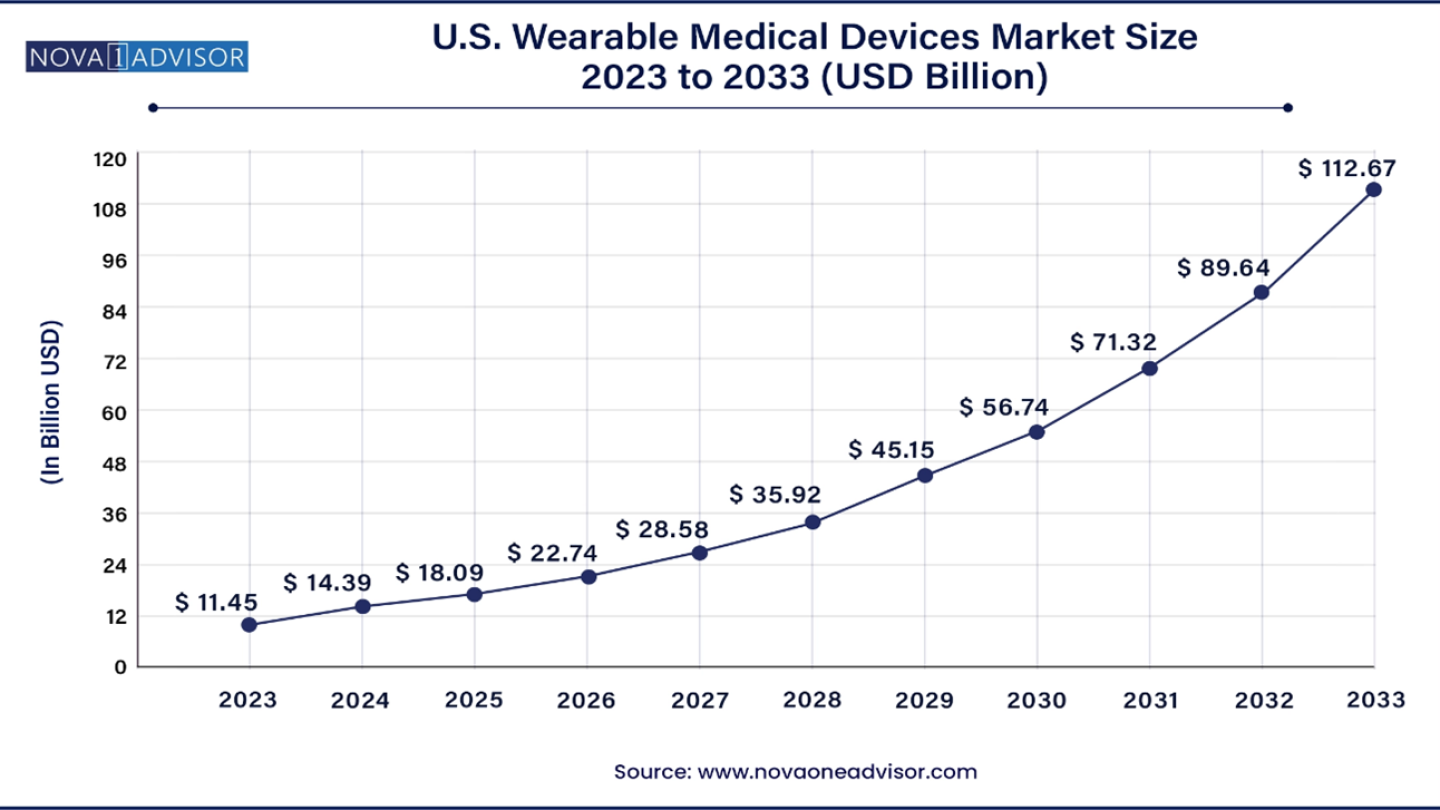
The U.S. wearable medical devices market, currently valued at an estimated $11.45 billion in 2023, is set to experience an astronomical rise to approximately $112.67 billion by 2033.
The real estate market is on the brink of transformation, captivating the attention of buyers, sellers, investors, and industry professionals. As we look toward the end of 2024, experts predict a shift in the landscape, particularly with home prices expected to decline due to increased inventory levels.
According to the World Health Organization (WHO), nearly two billion people in rural and remote areas worldwide lack access to essential healthcare solutions. This staggering statistic highlights a critical issue: the digital divide that limits telehealth services, primarily due to inadequate broadband access.
As AI becomes a staple in medical practice, it carries the risk of reinforcing existing biases entrenched in historical data. These biases can lead to skewed outcomes, particularly affecting marginalized communities such as the LGBTQIA+ and certain ethnic groups.
A groundbreaking study published in Volume 15 of Oncotarget on October 11, 2024, titled 'Relationship between the expressions of DLL3, ASC1, TTF-1 and Ki-67: First steps of precision medicine at SCLC' showcases pivotal advancements in the fight against small cell lung cancer (SCLC).

 In the heart of Kenya, a financial revolution is quietly unfolding. As traditional banking systems grapple with challenges of accessibility and trust, a new player emerges on the scene—blockchain-based microcredit. This innovative approach could potentially transform financial inclusion in the region, a topic explored in a recent