Blockchain in Real Estate: A Revolution Unfolds
The real estate industry, long perceived as a bastion of tradition, is on the brink of a technological revolution. Enter
blockchain technology, a digital innovation promising to transform property transactions by enhancing
security,
transparency, and
efficiency. According to a
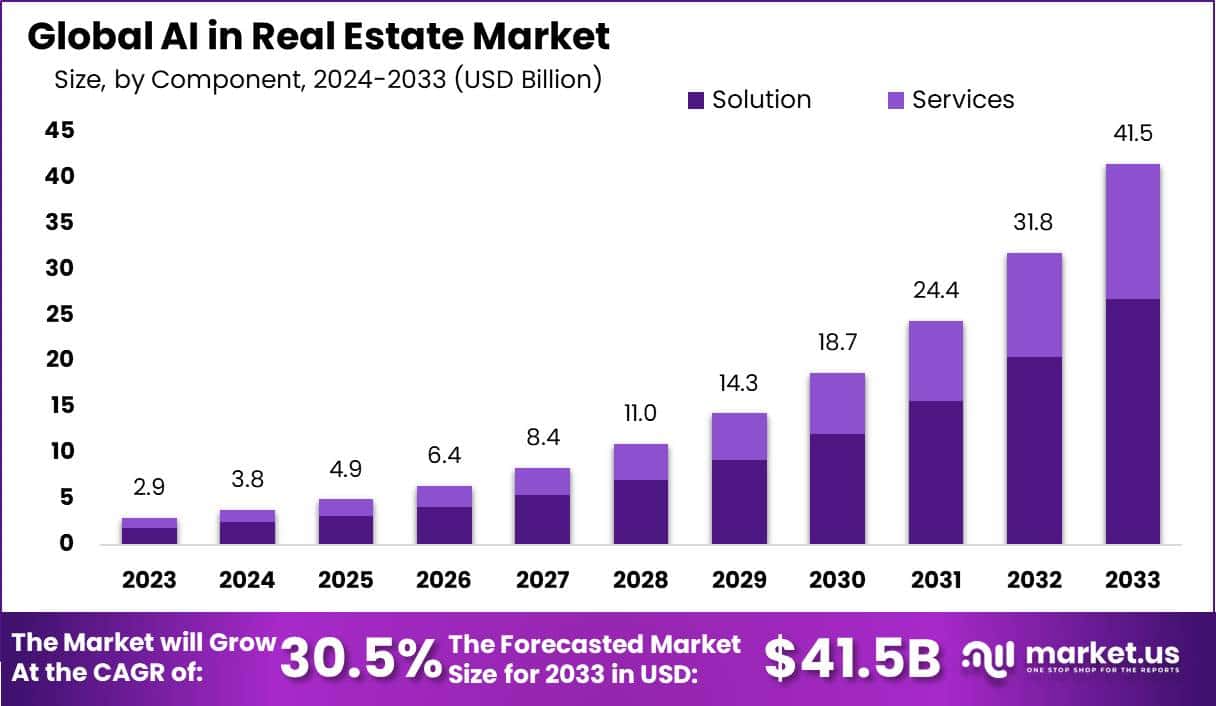
survey, 35% of real estate companies globally have already embraced some level of blockchain integration, with the market expected to soar to $3.8 billion by 2025.
What Is Blockchain in Real Estate?
Imagine a world where buying or selling property is as simple as a few clicks. Blockchain is making this a reality by introducing
smart contracts—self-executing agreements that eliminate intermediaries. When a property is sold, these contracts automatically enforce the deal’s terms, ensuring seamless transactions.
Benefits of Blockchain in Real Estate
- Enhanced Security: Blockchain’s decentralized nature makes it a digital fortress, safeguarding transactions with encrypted links.
- Reduced Costs: By removing brokers and banks, blockchain slashes transaction fees, saving time and money.
- Increased Speed: Transactions that once took weeks now conclude in days, thanks to blockchain’s efficiency.
- Tokenization: This allows for fractional property ownership, opening real estate investment to a global audience.
Real-World Applications
The potential of blockchain is already being realized through platforms like
Propy, which streamlines international property deals online.
Ubitquity is modernizing title management with tamper-proof records, while
ShelterZoom offers digital solutions for real estate transactions.
The State of Blockchain and Real Estate Today
Major industry players like
Cushman & Wakefield and
Microsoft are investing in blockchain to enhance data management and create more interactive property platforms. Additionally, the
tokenization of assets is being explored by financial giants like JPMorgan, offering new investment avenues.
The Future of Real Estate Transactions
Blockchain is not just a buzzword; it’s the future of real estate. By embracing this technology, the industry can achieve unprecedented levels of productivity and innovation. As blockchain continues to gain traction, it promises to redefine how we approach property transactions.
FAQs
Which cryptocurrencies are tied to real estate?
Cryptocurrencies such as
Brick,
ELYSIA, and
Propy are currently linked to real estate, facilitating smoother transactions and fractional ownership.
How can I invest in real estate blockchain?
You can invest by purchasing
tokenized properties or joining blockchain-based platforms, allowing you to own a fraction of real estate from anywhere.
Can you sell a house on the blockchain?
Yes, property can be tokenized and sold using smart contracts, streamlining the process.