Blockchain in Real Estate: A Revolution Unfolds

The real estate industry, long perceived as a bastion of tradition, is on the brink of a technological revolution. Enter blockchain technology, a digital innovation promising to transform property transactions by enhancing security, transparency, and efficiency. According to a survey, 35% of real estate companies globally have already embraced some level of blockchain integration, with the market expected to soar to $3.8 billion by 2025.

What Is Blockchain in Real Estate?

Imagine a world where buying or selling property is as simple as a few clicks. Blockchain is making this a reality by introducing smart contracts—self-executing agreements that eliminate intermediaries. When a property is sold, these contracts automatically enforce the deal’s terms, ensuring seamless transactions.

Benefits of Blockchain in Real Estate

  • Enhanced Security: Blockchain’s decentralized nature makes it a digital fortress, safeguarding transactions with encrypted links.
  • Reduced Costs: By removing brokers and banks, blockchain slashes transaction fees, saving time and money.
  • Increased Speed: Transactions that once took weeks now conclude in days, thanks to blockchain’s efficiency.
  • Tokenization: This allows for fractional property ownership, opening real estate investment to a global audience.

Real-World Applications

The potential of blockchain is already being realized through platforms like Propy, which streamlines international property deals online. Ubitquity is modernizing title management with tamper-proof records, while ShelterZoom offers digital solutions for real estate transactions.

The State of Blockchain and Real Estate Today

Major industry players like Cushman & Wakefield and Microsoft are investing in blockchain to enhance data management and create more interactive property platforms. Additionally, the tokenization of assets is being explored by financial giants like JPMorgan, offering new investment avenues.

The Future of Real Estate Transactions

Blockchain is not just a buzzword; it’s the future of real estate. By embracing this technology, the industry can achieve unprecedented levels of productivity and innovation. As blockchain continues to gain traction, it promises to redefine how we approach property transactions.

FAQs

Which cryptocurrencies are tied to real estate?

Cryptocurrencies such as Brick, ELYSIA, and Propy are currently linked to real estate, facilitating smoother transactions and fractional ownership.

How can I invest in real estate blockchain?

You can invest by purchasing tokenized properties or joining blockchain-based platforms, allowing you to own a fraction of real estate from anywhere.

Can you sell a house on the blockchain?

Yes, property can be tokenized and sold using smart contracts, streamlining the process.

More Articles

Getting licensed or staying ahead in your career can be a journey—but it doesn’t have to be overwhelming. Grab your favorite coffee or tea, take a moment to relax, and browse through our articles. Whether you’re just starting out or renewing your expertise, we’ve got tips, insights, and advice to keep you moving forward. Here’s to your success—one sip and one step at a time!

Unlocking Real Estate Wealth in 2025: Strategies for Success

Step into 2025, where the real estate market emerges as a resilient beacon amidst economic unpredictability. Investors are increasingly drawn to secondary cities like Austin and Manchester, attracted by their growth potential, affordability, and enhanced quality of life.

By |February 18, 2025|Categories: Article, Investment Strategies, Real Estate|Tags: , |0 Comments

AI and Urbanization Drive Home Services Market Growth

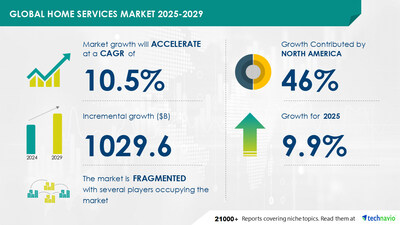
The global home services market is poised for significant growth, with projections indicating an increase of USD 1.03 trillion from 2025 to 2029. This forecasted expansion is attributed to increasing urbanization and the transformative impact of AI on market trends, according to a recent report by Technavio.

Decoding the U.S. Housing Crisis: A Study of Historic Policy Missteps and Demographic Shift

In a revealing study by USC, the roots of the current housing crisis in the United States are traced back to policy missteps and demographic changes that have been unfolding since the early 2000s. The study highlights how these factors have left millennials and people of color disproportionately affected.

Best Real Estate Crowdfunding Platforms for February 2025: Investopedia’s Top Picks

Fundrise stands out for offering investors a chance to diversify their portfolios with real estate exposure through proprietary funds. With a minimum investment as low as $10, it opens doors to beginners and seasoned investors alike.

Top Real Estate Investment Apps of 2025: A Guide for First-Time and Experienced Investors

Business Insider has reviewed a range of platforms available in 2025, focusing on key factors like fees, accessibility for accredited vs. non-accredited investors, and the types of real estate investments offered.