Blockchain in Real Estate: A Revolution Unfolds

The real estate industry, long perceived as a bastion of tradition, is on the brink of a technological revolution. Enter blockchain technology, a digital innovation promising to transform property transactions by enhancing security, transparency, and efficiency. According to a survey, 35% of real estate companies globally have already embraced some level of blockchain integration, with the market expected to soar to $3.8 billion by 2025.

What Is Blockchain in Real Estate?

Imagine a world where buying or selling property is as simple as a few clicks. Blockchain is making this a reality by introducing smart contracts—self-executing agreements that eliminate intermediaries. When a property is sold, these contracts automatically enforce the deal’s terms, ensuring seamless transactions.

Benefits of Blockchain in Real Estate

  • Enhanced Security: Blockchain’s decentralized nature makes it a digital fortress, safeguarding transactions with encrypted links.
  • Reduced Costs: By removing brokers and banks, blockchain slashes transaction fees, saving time and money.
  • Increased Speed: Transactions that once took weeks now conclude in days, thanks to blockchain’s efficiency.
  • Tokenization: This allows for fractional property ownership, opening real estate investment to a global audience.

Real-World Applications

The potential of blockchain is already being realized through platforms like Propy, which streamlines international property deals online. Ubitquity is modernizing title management with tamper-proof records, while ShelterZoom offers digital solutions for real estate transactions.

The State of Blockchain and Real Estate Today

Major industry players like Cushman & Wakefield and Microsoft are investing in blockchain to enhance data management and create more interactive property platforms. Additionally, the tokenization of assets is being explored by financial giants like JPMorgan, offering new investment avenues.

The Future of Real Estate Transactions

Blockchain is not just a buzzword; it’s the future of real estate. By embracing this technology, the industry can achieve unprecedented levels of productivity and innovation. As blockchain continues to gain traction, it promises to redefine how we approach property transactions.

FAQs

Which cryptocurrencies are tied to real estate?

Cryptocurrencies such as Brick, ELYSIA, and Propy are currently linked to real estate, facilitating smoother transactions and fractional ownership.

How can I invest in real estate blockchain?

You can invest by purchasing tokenized properties or joining blockchain-based platforms, allowing you to own a fraction of real estate from anywhere.

Can you sell a house on the blockchain?

Yes, property can be tokenized and sold using smart contracts, streamlining the process.

More Articles

Getting licensed or staying ahead in your career can be a journey—but it doesn’t have to be overwhelming. Grab your favorite coffee or tea, take a moment to relax, and browse through our articles. Whether you’re just starting out or renewing your expertise, we’ve got tips, insights, and advice to keep you moving forward. Here’s to your success—one sip and one step at a time!

The Mortgage Industry’s AI Transformation: Automation Reshapes Lending From Application to Approval

Artificial intelligence is rapidly reshaping the mortgage industry, boosting productivity, reducing manual work, and accelerating loan closings. From automated document data extraction to AI‑generated underwriting narratives and predictive analytics, lenders are using new tools that improve accuracy and drastically speed up processing times. With chatbots, next‑gen point‑of‑sale systems, and end‑to‑end automation, preapprovals that once took days now take minutes. For mortgage and real estate professionals, mastering AI is becoming a major competitive advantage—one that defines who will thrive in the future of lending.

Why Your Insurance Bill Is Rising Even as Florida Rates Go Down

Florida’s property insurance rates are finally starting to drop, but many homeowners are still seeing higher monthly bills. The reason isn’t insurer price hikes—it’s soaring replacement costs driven by construction inflation, labor shortages, and rising home values. Nearly 75 percent of recent premium increases came from higher property values alone. Understanding this gap between “rates” and “premiums” helps homeowners—and real estate and insurance professionals—navigate the shifting Florida market and make smarter coverage decisions.

Milwaukee’s Commercial Real Estate Market Turns a Corner

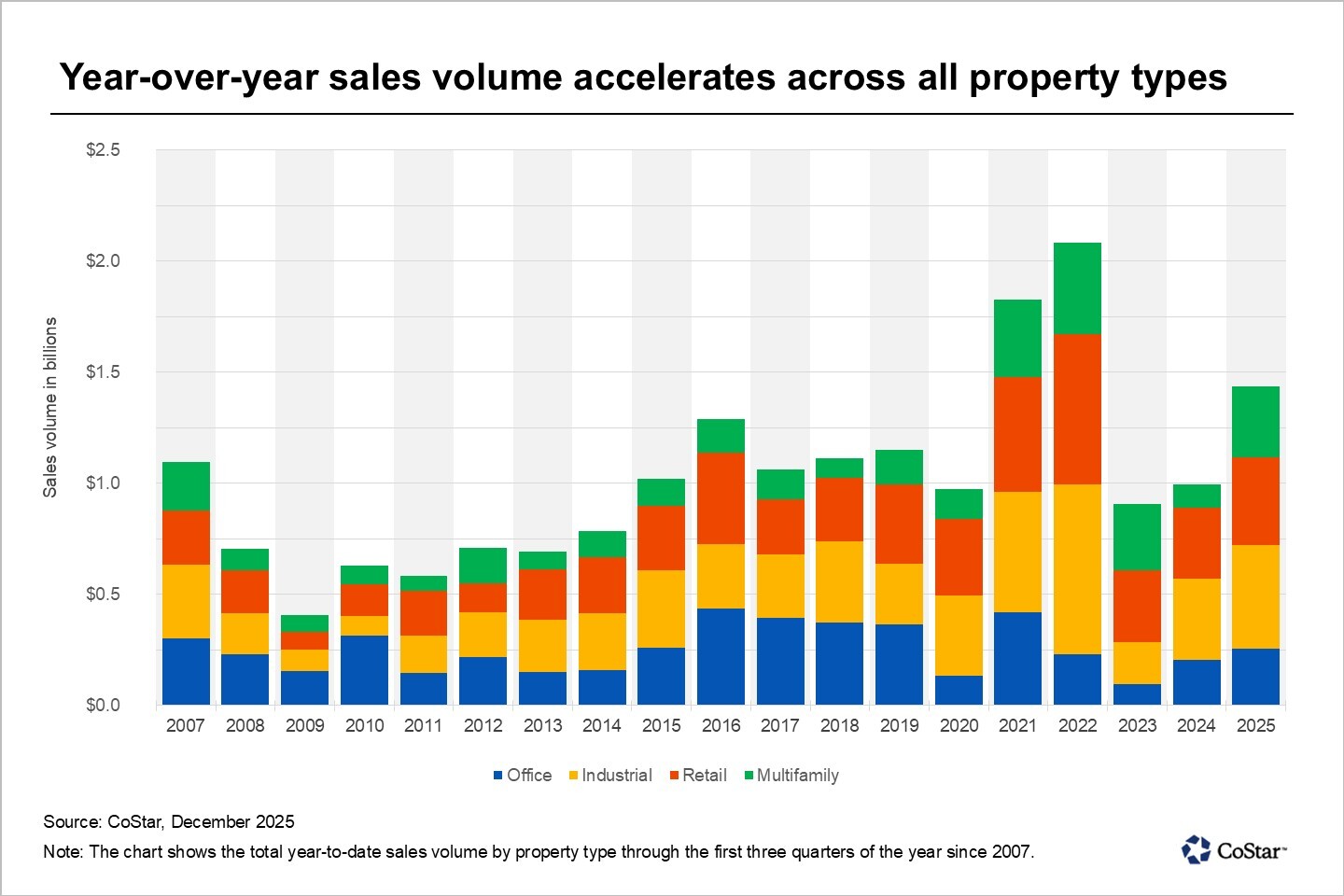
Milwaukee’s commercial real estate market is finally showing real signs of recovery, with 2025 sales volume hitting a three‑year high and investor confidence steadily returning. Driven by selective, fundamentals‑focused buying—favoring strong cash flow, quality assets, and strategic pricing—the city is moving from a period of correction into a healthier, opportunity‑rich phase. For real estate professionals nationwide, Milwaukee’s momentum reflects broader CRE market stabilization and the growing importance of disciplined underwriting and market expertise.

Reverse Mortgage Market Poised for Breakout Growth in 2026

Industry leaders project a major surge in reverse mortgage activity heading into 2026, fueled by rising proprietary products, lender innovation, and strong investor interest. As high interest rates push originators to adopt new strategies, flexible private‑label options, senior‑focused HELOCs, and a wave of big‑capital investment are reshaping the market. With education and policy shifts poised to unlock even more demand, reverse mortgages are entering their most transformative era yet.

The 2026 Housing Market Outlook: Is Better Inventory Finally on the Horizon?

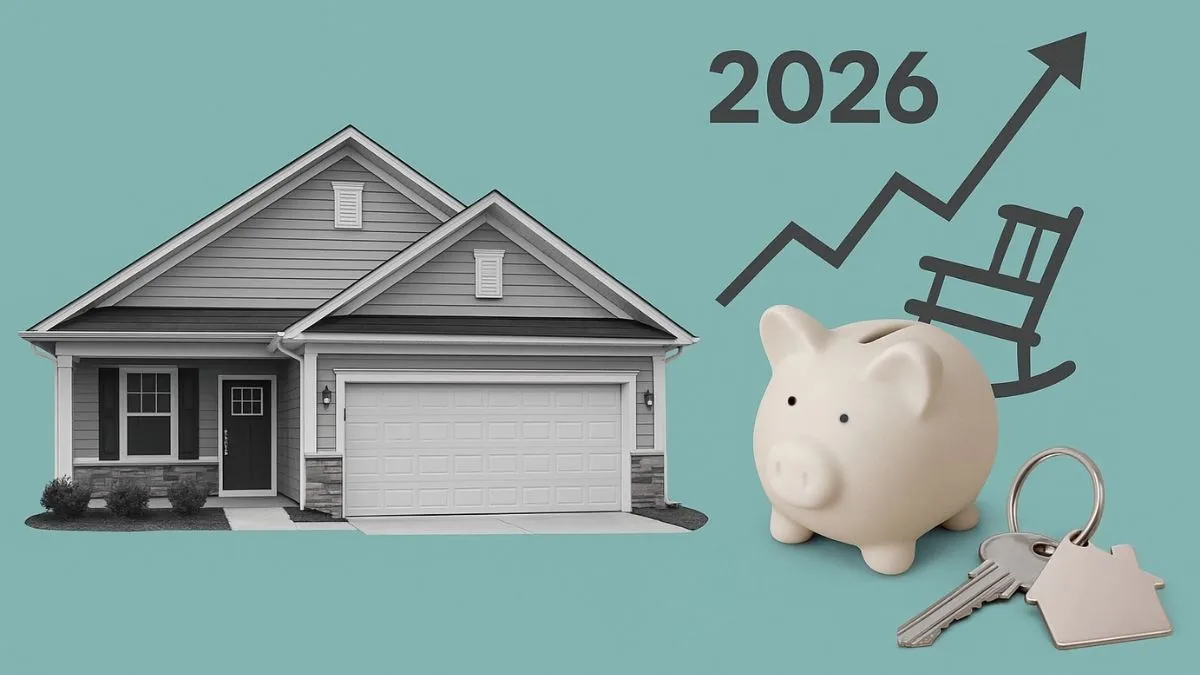
Experts forecast that 2026 may bring long‑awaited relief to homebuyers, with both existing and new home inventory expected to rise. NAR predicts a boost in home sales, a slight drop in mortgage rates, and a modest 4% increase in prices—conditions that could motivate more homeowners to list while builders add over a million new homes to the market. For first‑time buyers, higher loan limits and easing qualification standards may make entering the market more achievable than in recent years.

Lower Interest Rates Signal a Brighter 2026 for South Florida Real Estate

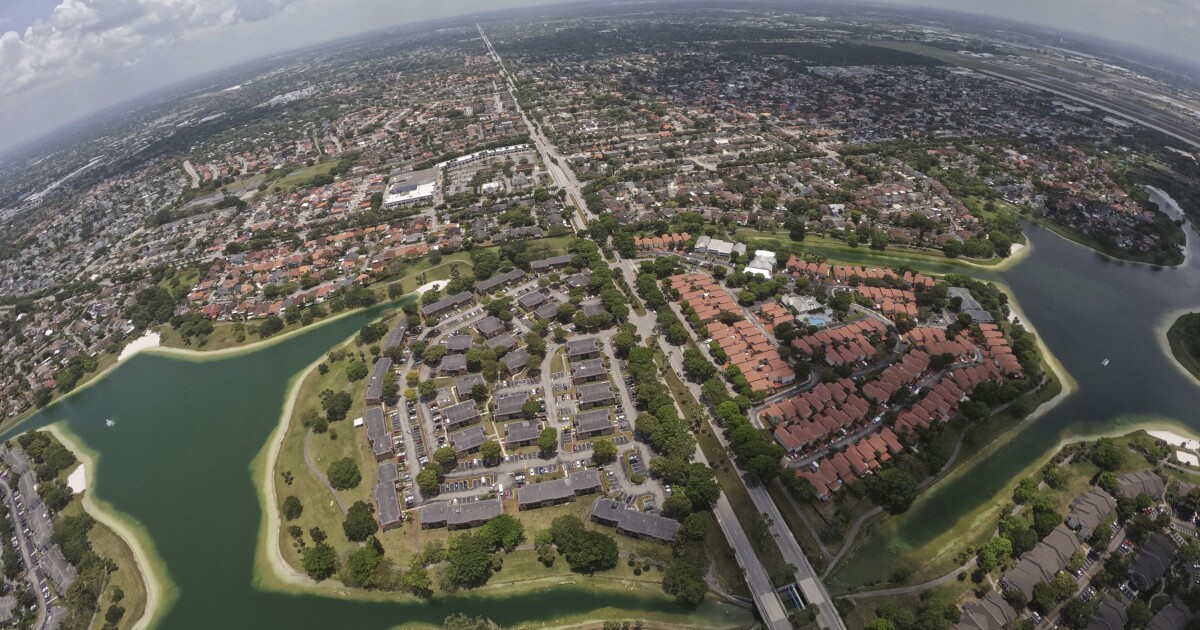
South Florida enters 2026 with renewed optimism as falling mortgage rates, improving buyer confidence, and a strong job market help stabilize a housing landscape that struggled in 2025—especially in the condo sector. While single-family homes remained resilient last year, condos faced price drops, rising fees, and hesitation tied to new safety regulations. With rates projected to fall to around 5.8% by year’s end, buying power is increasing, inventory may loosen, and activity is expected to pick up. Still, affordability challenges persist, Miami’s rental market remains intensely competitive, and the condo sector’s recovery will take time.