Blockchain in Real Estate: A Revolution Unfolds

The real estate industry, long perceived as a bastion of tradition, is on the brink of a technological revolution. Enter blockchain technology, a digital innovation promising to transform property transactions by enhancing security, transparency, and efficiency. According to a survey, 35% of real estate companies globally have already embraced some level of blockchain integration, with the market expected to soar to $3.8 billion by 2025.

What Is Blockchain in Real Estate?

Imagine a world where buying or selling property is as simple as a few clicks. Blockchain is making this a reality by introducing smart contracts—self-executing agreements that eliminate intermediaries. When a property is sold, these contracts automatically enforce the deal’s terms, ensuring seamless transactions.

Benefits of Blockchain in Real Estate

  • Enhanced Security: Blockchain’s decentralized nature makes it a digital fortress, safeguarding transactions with encrypted links.
  • Reduced Costs: By removing brokers and banks, blockchain slashes transaction fees, saving time and money.
  • Increased Speed: Transactions that once took weeks now conclude in days, thanks to blockchain’s efficiency.
  • Tokenization: This allows for fractional property ownership, opening real estate investment to a global audience.

Real-World Applications

The potential of blockchain is already being realized through platforms like Propy, which streamlines international property deals online. Ubitquity is modernizing title management with tamper-proof records, while ShelterZoom offers digital solutions for real estate transactions.

The State of Blockchain and Real Estate Today

Major industry players like Cushman & Wakefield and Microsoft are investing in blockchain to enhance data management and create more interactive property platforms. Additionally, the tokenization of assets is being explored by financial giants like JPMorgan, offering new investment avenues.

The Future of Real Estate Transactions

Blockchain is not just a buzzword; it’s the future of real estate. By embracing this technology, the industry can achieve unprecedented levels of productivity and innovation. As blockchain continues to gain traction, it promises to redefine how we approach property transactions.

FAQs

Which cryptocurrencies are tied to real estate?

Cryptocurrencies such as Brick, ELYSIA, and Propy are currently linked to real estate, facilitating smoother transactions and fractional ownership.

How can I invest in real estate blockchain?

You can invest by purchasing tokenized properties or joining blockchain-based platforms, allowing you to own a fraction of real estate from anywhere.

Can you sell a house on the blockchain?

Yes, property can be tokenized and sold using smart contracts, streamlining the process.

More Articles

Getting licensed or staying ahead in your career can be a journey—but it doesn’t have to be overwhelming. Grab your favorite coffee or tea, take a moment to relax, and browse through our articles. Whether you’re just starting out or renewing your expertise, we’ve got tips, insights, and advice to keep you moving forward. Here’s to your success—one sip and one step at a time!

Florida’s Political Storm: Immigration Protests, Insurance Shakeups, and Health Care Uncertainty

Palm Beach protests erupted as intensified immigration enforcement reached the heart of Trump’s hometown, while millions in Florida brace for rising health care costs as key subsidies near expiration. At the same time, state regulators boldly declare the long‑running property insurance crisis “over,” leaving homeowners and industry professionals questioning whether true stability has finally returned.

Real Estate Strategic Outlooks: Year-End 2025

As 2025 comes to a close, the real estate industry is shifting from uncertainty to strategic expansion. According to DWS’s Year-End 2025 Outlook, property values are stabilizing after years of repricing, capital is concentrating on high-quality assets, and Sunbelt markets—especially Florida—continue to outperform. With technology enhancing rather than replacing professional expertise, 2026 is shaping up to reward professionals who stay informed, skilled, and strategically positioned for the next cycle.

Texas Investors Ride Into San Francisco, Snapping Up Union Square Deals as the Market Hits Bottom

Texas capital is pouring into San Francisco’s long‑struggling commercial real estate market, with Lone Star investors buying up discounted Union Square buildings and signaling what many experts believe is the city’s market bottom. As office activity and confidence begin to return, buyers from across the country are joining the rush, turning SF’s post‑pandemic slump into one of the nation’s hottest bargain opportunities.

2026 Tech100 Countdown: Housing Tech Innovation Surges as Nomination Window Closes

With 2026 HousingWire Tech100 nominations closing on December 19, the housing tech sector is accelerating at full speed. AI‑powered data platforms, digital closing breakthroughs, embedded insurance growth, and next‑generation servicing automation are reshaping real estate, mortgage, insurance, and finance. From ATTOM’s AI‑ready property intelligence to Hapi Homes’ Martha Stewart design revival, Obie’s nationwide expansion, Outamation’s servicing automation, and ServiceLink’s next‑level borrower scheduling, this year’s standout innovators are defining the future of the housing economy.

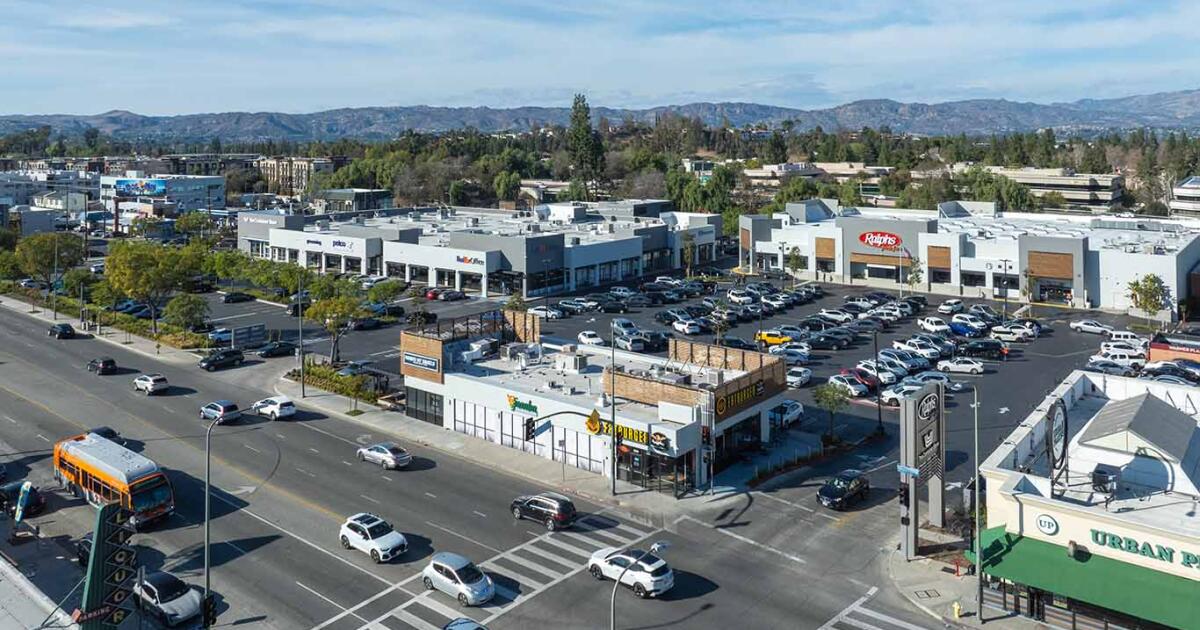
Woodland Hills Retail Center Sold for $64 Million in Major Southern California CRE Deal

Space Investment Partners has acquired the 123,402‑square‑foot Topanga Gateway retail center in Woodland Hills for $64 million, marking another significant move in the firm’s expanding grocery‑anchored investment strategy. Located at a high‑visibility intersection and 97% occupied at the time of sale, the property strengthens the company’s push toward $500 million to $1 billion in retail acquisitions for 2026, underscoring continued investor confidence in necessity‑based retail assets.

Mortgage Rates Shift After Final 2025 Fed Cut: What Homebuyers Should Know Today

After the Federal Reserve’s final 2025 rate cut on December 10, mortgage markets are recalibrating, giving buyers and homeowners a glimmer of relief. Rates remain lower than earlier in the year, with 30-year fixed loans at 6.12% and refinances dipping as well. This shift may spark renewed activity for buyers, refinancers, and real estate professionals heading into 2026.