In a world where technology is constantly evolving, the real estate sector is not left behind. The transformative power of blockchain technology is making significant strides in this traditionally static industry. According to a recent article by Appinventiv, blockchain is revolutionizing real estate by enhancing transaction speed, security, and transparency.
Blockchain technology is no longer just the backbone of cryptocurrencies. Its applications have expanded to include various sectors beyond digital currencies, with real estate being a prime example. The technology is streamlining processes, reducing paperwork, and increasing investment opportunities through innovative methods like fractional ownership and asset tokenization.
Enhanced Security and Transparency
Blockchain creates an immutable ledger of property records, significantly lowering the risk of fraud and disputes. This transparency is further enhanced by the decentralized nature of blockchain, which securely stores property data across multiple nodes. As a result, stakeholders have real-time access to property ownership and transaction histories, fostering a more inclusive and reliable real estate ecosystem.
Increased Efficiency
By eliminating intermediaries and automating processes, blockchain reduces administrative costs and accelerates transactions. This efficiency is achieved through the use of smart contracts, which automate tasks such as verifying property titles and executing contracts, thereby minimizing manual intervention and speeding up transaction times.
Real-World Applications
Companies like CBRE Group and Brookfield Asset Management are leading the charge in leveraging blockchain for property management and asset tokenization. CBRE Group uses blockchain to automate maintenance requests and financial transactions, while Brookfield Asset Management explores tokenizing real estate assets to increase liquidity and diversify investment opportunities.
The security and transparency provided by blockchain are setting new standards in the real estate industry, paving the way for a more secure and efficient market landscape. As blockchain continues to permeate the sector, we can expect improved operations and reduced costs, ultimately redefining the real estate landscape.
Conclusion
The article from Appinventiv highlights the profound impact of blockchain on real estate, illustrating its potential to address challenges such as lack of transparency, tedious paperwork, and high risks of fraud. With blockchain, the future of real estate is set to be more efficient, secure, and accessible for all stakeholders.
More Articles
Getting licensed or staying ahead in your career can be a journey—but it doesn’t have to be overwhelming. Grab your favorite coffee or tea, take a moment to relax, and browse through our articles. Whether you’re just starting out or renewing your expertise, we’ve got tips, insights, and advice to keep you moving forward. Here’s to your success—one sip and one step at a time!
Newman Properties, a Massachusetts-based investment firm, has expanded its footprint into Connecticut with the $3.65 million acquisition of a 6,350‑square‑foot retail building in Enfield. Anchored by national restaurant chain Red Robin, the property offers the type of stable tenancy investors seek when entering new markets. The deal underscores growing confidence in anchored retail assets and provides a valuable real-world example for real estate professionals studying market analysis, investment strategy, and portfolio expansion.
JPMorgan now expects national home prices to flatten in 2026, but the Sunbelt is telling a very different story. Florida home values are down 5.1%, Texas is down 2.4%, and analysts warn that years of rapid building are finally catching up to the region. As demand stabilizes and inventory swells, real estate professionals — especially in Florida — face a market full of challenges, opportunities, and critical timing decisions.
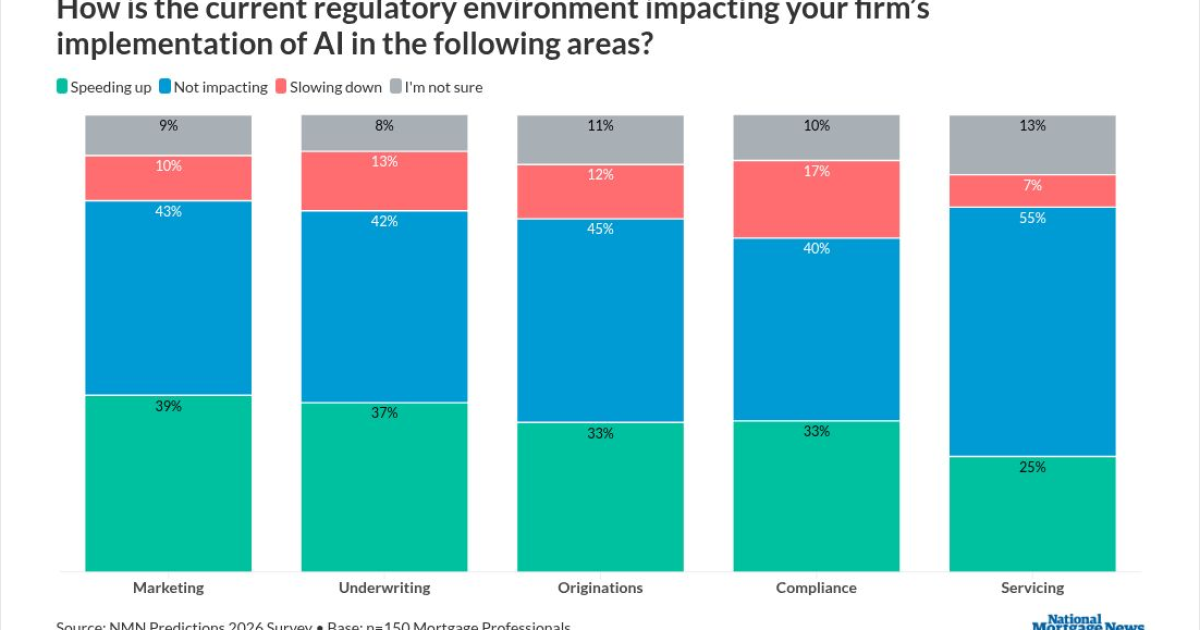
Artificial intelligence is finally stepping into the mortgage underwriting spotlight, with 57% of mortgage professionals predicting it will drive the most transformative industry shift in 2026. Thanks to major advancements in language models and workflow automation, AI is now capable of navigating the messy, document-heavy realities that have long slowed underwriting. From faster preapprovals to improved credit analysis and real‑time income verification, AI is streamlining processes while allowing underwriters to focus on true risk management. As regulatory winds shift and grassroots pressure builds within lending teams, the industry is entering a pivotal era where AI‑powered underwriting becomes not just an advantage — but an expectation.
Portland’s top 20 office towers have lost an unprecedented 70% of their value since 2019—plunging from $3 billion to under $1 billion—triggering tax revenue shortfalls, budget crises, and a surge in appeals as the city grapples with its biggest commercial real estate reset in modern history.
South Florida’s luxury real estate market just raised the bar again — this time with a $1 million virtual reality system that lets buyers walk through Dolce & Gabbana’s upcoming Miami tower long before construction wraps. Real estate master’s students were given an immersive look inside the project, discovering how VR is transforming high‑end development, influencing buyer psychology, and shaping the future skills today’s professionals need.
Long Island’s commercial real estate scene is kicking off 2026 with a surge of activity—industrial leases in Medford, neighborhood retail trades in Bohemia, Pizza Hut’s new DELCO expansion in Centereach, mixed‑use acquisitions in Melville, and major investor interest in bank‑leased and franchise-backed properties. From warehouses to restaurant rebrands, these deals highlight a region evolving fast and offering fresh opportunities for agents, investors, and professionals looking to stay ahead in the market.