In a world where technology is constantly evolving, the real estate sector is not left behind. The transformative power of blockchain technology is making significant strides in this traditionally static industry. According to a recent article by Appinventiv, blockchain is revolutionizing real estate by enhancing transaction speed, security, and transparency.
Blockchain technology is no longer just the backbone of cryptocurrencies. Its applications have expanded to include various sectors beyond digital currencies, with real estate being a prime example. The technology is streamlining processes, reducing paperwork, and increasing investment opportunities through innovative methods like fractional ownership and asset tokenization.
Enhanced Security and Transparency
Blockchain creates an immutable ledger of property records, significantly lowering the risk of fraud and disputes. This transparency is further enhanced by the decentralized nature of blockchain, which securely stores property data across multiple nodes. As a result, stakeholders have real-time access to property ownership and transaction histories, fostering a more inclusive and reliable real estate ecosystem.
Increased Efficiency
By eliminating intermediaries and automating processes, blockchain reduces administrative costs and accelerates transactions. This efficiency is achieved through the use of smart contracts, which automate tasks such as verifying property titles and executing contracts, thereby minimizing manual intervention and speeding up transaction times.
Real-World Applications
Companies like CBRE Group and Brookfield Asset Management are leading the charge in leveraging blockchain for property management and asset tokenization. CBRE Group uses blockchain to automate maintenance requests and financial transactions, while Brookfield Asset Management explores tokenizing real estate assets to increase liquidity and diversify investment opportunities.
The security and transparency provided by blockchain are setting new standards in the real estate industry, paving the way for a more secure and efficient market landscape. As blockchain continues to permeate the sector, we can expect improved operations and reduced costs, ultimately redefining the real estate landscape.
Conclusion
The article from Appinventiv highlights the profound impact of blockchain on real estate, illustrating its potential to address challenges such as lack of transparency, tedious paperwork, and high risks of fraud. With blockchain, the future of real estate is set to be more efficient, secure, and accessible for all stakeholders.
More Articles
Getting licensed or staying ahead in your career can be a journey—but it doesn’t have to be overwhelming. Grab your favorite coffee or tea, take a moment to relax, and browse through our articles. Whether you’re just starting out or renewing your expertise, we’ve got tips, insights, and advice to keep you moving forward. Here’s to your success—one sip and one step at a time!
Remote work is dramatically reshaping real estate trends in India. By understanding and adapting to these shifts, investors can make savvy decisions, aligning their strategies with this evolving landscape and capitalizing on the burgeoning opportunities that remote working presents.
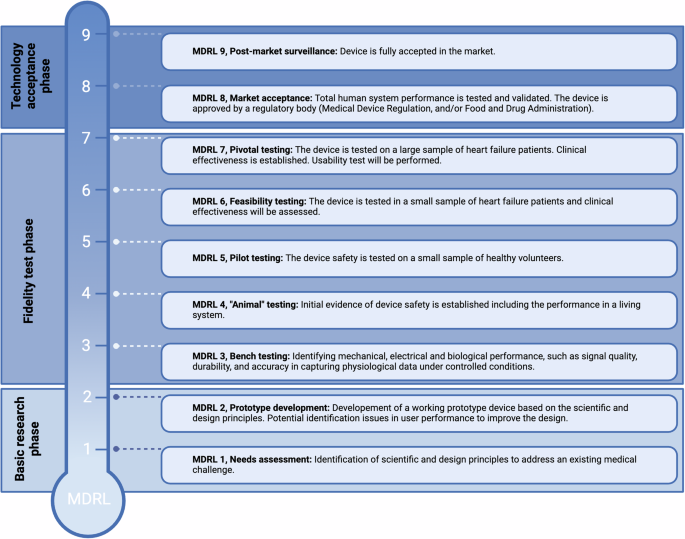
Wearable technologies are emerging as a beacon of hope for heart failure (HF) management, promising a future where patient care is not just reactive but proactive. As reported in a recent Nature article, these devices are poised to transform how we monitor and manage HF patients.
In a landmark event in April 2024, the State and Local Electric Vehicle Workforce Collaborative convened in Washington, D.C., highlighting the transformative potential of federal investments in electric vehicle infrastructure, particularly in underserved communities.
Risk managers are increasingly using parametric insurance to strengthen traditional programs and to better match capital to risk from natural disasters.
This "green revolution" is marked by the integration of green data fields in the Multiple Listing Service (MLS), which now features prominently in 40% of listings. This shift enhances awareness among potential buyers about eco-friendly home features, promoting healthier living environments.
In the ever-evolving landscape of healthcare, Artificial Intelligence (AI) is emerging as more than just a tool—it's a transformative force reshaping the industry. Visionaries like Vinod Khosla have long predicted AI's potential to revolutionize healthcare, and that potential is now being realized.