In a world where technology is constantly evolving, the real estate sector is not left behind. The transformative power of blockchain technology is making significant strides in this traditionally static industry. According to a recent article by Appinventiv, blockchain is revolutionizing real estate by enhancing transaction speed, security, and transparency.
Blockchain technology is no longer just the backbone of cryptocurrencies. Its applications have expanded to include various sectors beyond digital currencies, with real estate being a prime example. The technology is streamlining processes, reducing paperwork, and increasing investment opportunities through innovative methods like fractional ownership and asset tokenization.
Enhanced Security and Transparency
Blockchain creates an immutable ledger of property records, significantly lowering the risk of fraud and disputes. This transparency is further enhanced by the decentralized nature of blockchain, which securely stores property data across multiple nodes. As a result, stakeholders have real-time access to property ownership and transaction histories, fostering a more inclusive and reliable real estate ecosystem.
Increased Efficiency
By eliminating intermediaries and automating processes, blockchain reduces administrative costs and accelerates transactions. This efficiency is achieved through the use of smart contracts, which automate tasks such as verifying property titles and executing contracts, thereby minimizing manual intervention and speeding up transaction times.
Real-World Applications
Companies like CBRE Group and Brookfield Asset Management are leading the charge in leveraging blockchain for property management and asset tokenization. CBRE Group uses blockchain to automate maintenance requests and financial transactions, while Brookfield Asset Management explores tokenizing real estate assets to increase liquidity and diversify investment opportunities.
The security and transparency provided by blockchain are setting new standards in the real estate industry, paving the way for a more secure and efficient market landscape. As blockchain continues to permeate the sector, we can expect improved operations and reduced costs, ultimately redefining the real estate landscape.
Conclusion
The article from Appinventiv highlights the profound impact of blockchain on real estate, illustrating its potential to address challenges such as lack of transparency, tedious paperwork, and high risks of fraud. With blockchain, the future of real estate is set to be more efficient, secure, and accessible for all stakeholders.
More Articles
Getting licensed or staying ahead in your career can be a journey—but it doesn’t have to be overwhelming. Grab your favorite coffee or tea, take a moment to relax, and browse through our articles. Whether you’re just starting out or renewing your expertise, we’ve got tips, insights, and advice to keep you moving forward. Here’s to your success—one sip and one step at a time!
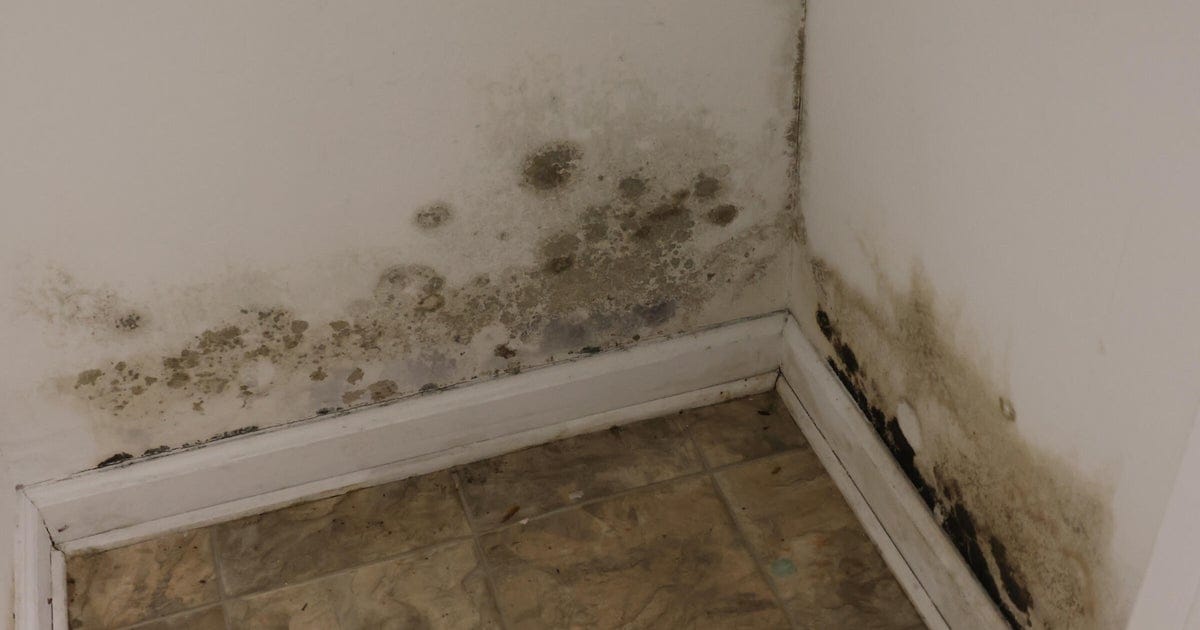
Extreme storms are triggering a surge in hidden mold growth across nearly half of U.S. homes, creating a growing health and financial emergency for families and real estate professionals. From rapid post‑storm mold development to soaring remediation costs, this silent threat is reshaping property safety, insurance challenges, and the future of housing in high‑risk regions.
A Florida consumer has filed a class action accusing Rocket Mortgage of repeatedly calling her even after confirming her opt‑out request, marking the company’s 56th TCPA‑related lawsuit. The complaint claims Rocket continued outreach for nearly three weeks—despite a STOP confirmation—and could impact more than 10,000 consumers nationwide.
Mortgage rates rose for the third straight week, reaching their highest level in a month and triggering a 5.2% drop in overall mortgage applications. Refinance activity slid 7%, purchase demand dipped 2%, and analysts say uncertainty in the bond market is keeping rates on a choppy path. Despite the pullback, today’s loan activity still sits well above last year’s lows, signaling that buyers remain active—but increasingly cautious.
Florida has approved a 6.9% reduction in workers’ compensation insurance rates for 2026, marking the ninth straight year of decreases. The cut, signed by Insurance Commissioner Mike Yaworsky, takes effect January 1 and lowers costs for all new and renewal policies. State officials say the trend reflects improved workplace safety and will help businesses reduce expenses and support growth across industries including real estate, construction, and property management.
Mortgage rates are dipping, inventory is soaring, and—for the first time in years—buyers have real leverage. While home prices remain at record highs and the economy feels unpredictable, rising inventory and cooling rates are creating rare opportunities for financially ready buyers. If you’ve been waiting for the market to open a door, this may be your moment to step through.
Miami developers are pitching 'safe spaces' for millionaires amid fears of a political shift in New York City. Concerns over higher taxes and crime are prompting some New Yorkers to consider relocating south.