As
blockchain technology continues to gain traction, its potential to revolutionize the
real estate industry is becoming increasingly evident. According to a recent article from
Lehigh Valley Business,
blockchain offers a streamlined and more secure method of managing property transactions. This digital ledger system has the ability to enhance the ownership verification process, providing an attractive alternative for investors, developers, and real estate investment trusts.
Transforming Real Estate Transactions
Alex Lange, vice president of strategy and innovation for the National Association of Realtors in Chicago, predicts a rapid adoption of
blockchain technology within the next three to five years. He believes it will facilitate secure transactions, transforming the traditional process of property transfer. This sentiment is echoed by Graham Simmons, co-chair of the business law group at Norris McLaughlin P.A. in Allentown, who notes that Lehigh Valley markets are slowly embracing
blockchain, with increasing comfort levels among stakeholders.
Blockchain promises to create an accurate and secure record of transactions, significantly reducing the potential for fraud. Simmons highlights that secondary markets, particularly those dealing with mortgages or mortgage-backed securities, might be among the first to integrate
blockchain into their practices. This integration could benefit larger financial institutions and innovative companies in the Lehigh Valley area.
Decentralized Record Keeping
Daniel Jameson, an attorney at Jameson Stone, LLC, suggests that businesses with substantial resources will initially invest in
blockchain before it becomes widely accessible. He emphasizes the decentralized nature of
blockchain for record keeping, which aligns with the growing convergence of technologies like AI, IoT, and the metaverse. Lange concurs, stating that this technological convergence makes
blockchain a viable option for the real estate industry.
However, despite these advancements, challenges remain. While younger generations may readily embrace such technology, many current property buyers might lack the access or willingness to adopt
blockchain. Jameson points out that although many property records have already been digitized, facilitating
blockchain adoption, the transition requires a shift in mindset.
Blockchain vs. Cryptocurrency
It is essential to distinguish
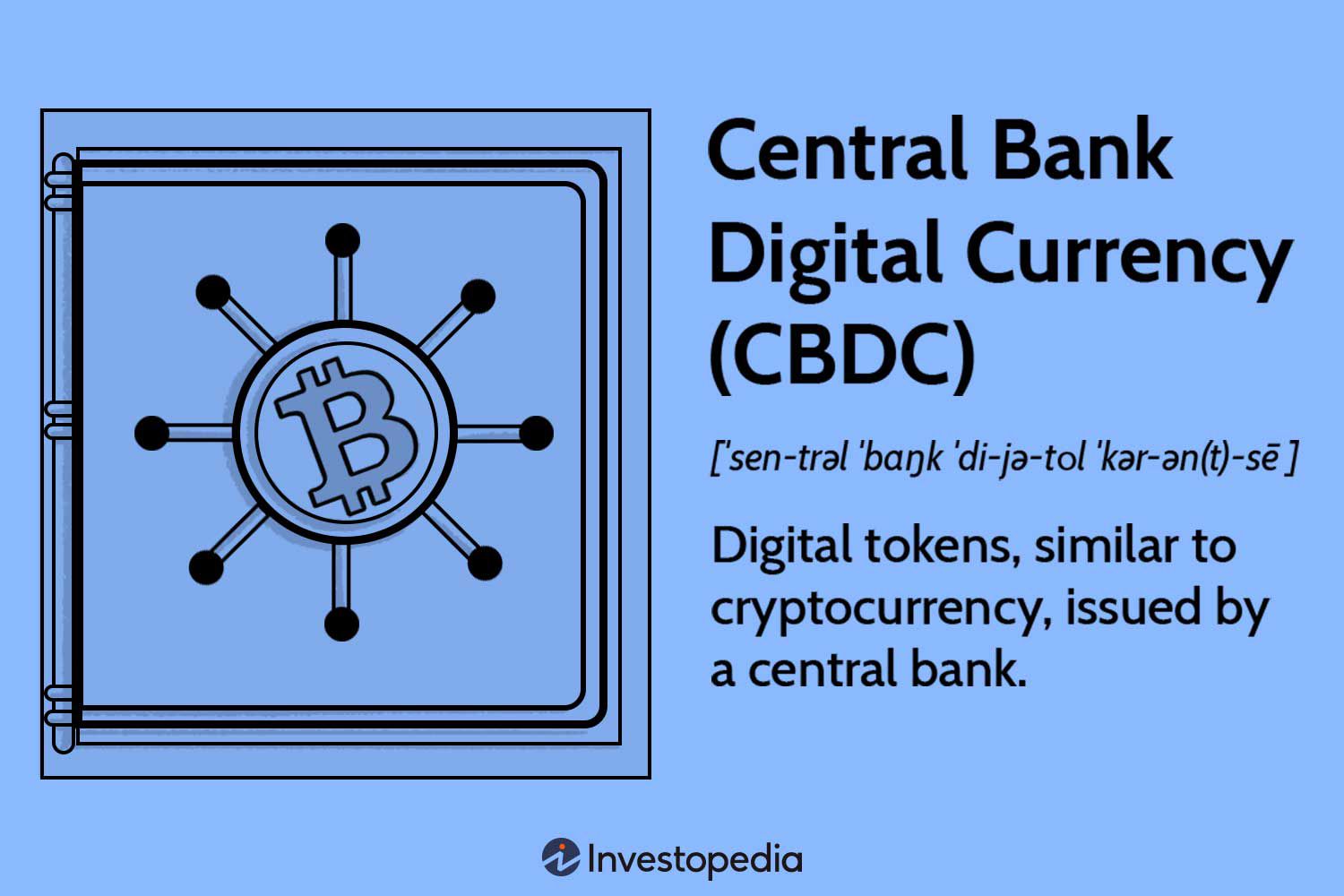
blockchain from cryptocurrency, such as Bitcoin, which remains volatile and not widely accepted for property transactions. Simmons expresses concerns over Bitcoin’s instability and its potential appeal to nefarious actors. Jameson underscores the cautious approach consumers prefer due to real estate’s high stakes, emphasizing that while
blockchain holds promise, its integration within existing financial systems will take time.
In summary,
blockchain has significant potential to revolutionize real estate through enhanced processes and security. However, broader adoption and integration challenges persist, necessitating a gradual transition to this innovative technology.