As blockchain technology continues to gain traction, its potential to revolutionize the real estate industry is becoming increasingly evident. According to a recent article from Lehigh Valley Business, blockchain offers a streamlined and more secure method of managing property transactions. This digital ledger system has the ability to enhance the ownership verification process, providing an attractive alternative for investors, developers, and real estate investment trusts.

Transforming Real Estate Transactions

Alex Lange, vice president of strategy and innovation for the National Association of Realtors in Chicago, predicts a rapid adoption of blockchain technology within the next three to five years. He believes it will facilitate secure transactions, transforming the traditional process of property transfer. This sentiment is echoed by Graham Simmons, co-chair of the business law group at Norris McLaughlin P.A. in Allentown, who notes that Lehigh Valley markets are slowly embracing blockchain, with increasing comfort levels among stakeholders.

Blockchain promises to create an accurate and secure record of transactions, significantly reducing the potential for fraud. Simmons highlights that secondary markets, particularly those dealing with mortgages or mortgage-backed securities, might be among the first to integrate blockchain into their practices. This integration could benefit larger financial institutions and innovative companies in the Lehigh Valley area.

Decentralized Record Keeping

Daniel Jameson, an attorney at Jameson Stone, LLC, suggests that businesses with substantial resources will initially invest in blockchain before it becomes widely accessible. He emphasizes the decentralized nature of blockchain for record keeping, which aligns with the growing convergence of technologies like AI, IoT, and the metaverse. Lange concurs, stating that this technological convergence makes blockchain a viable option for the real estate industry.

However, despite these advancements, challenges remain. While younger generations may readily embrace such technology, many current property buyers might lack the access or willingness to adopt blockchain. Jameson points out that although many property records have already been digitized, facilitating blockchain adoption, the transition requires a shift in mindset.

Blockchain vs. Cryptocurrency

It is essential to distinguish blockchain from cryptocurrency, such as Bitcoin, which remains volatile and not widely accepted for property transactions. Simmons expresses concerns over Bitcoin’s instability and its potential appeal to nefarious actors. Jameson underscores the cautious approach consumers prefer due to real estate’s high stakes, emphasizing that while blockchain holds promise, its integration within existing financial systems will take time.

In summary, blockchain has significant potential to revolutionize real estate through enhanced processes and security. However, broader adoption and integration challenges persist, necessitating a gradual transition to this innovative technology.

More Articles

Getting licensed or staying ahead in your career can be a journey—but it doesn’t have to be overwhelming. Grab your favorite coffee or tea, take a moment to relax, and browse through our articles. Whether you’re just starting out or renewing your expertise, we’ve got tips, insights, and advice to keep you moving forward. Here’s to your success—one sip and one step at a time!

America’s Housing Affordability Crisis: A Deep Dive into 2024

The American dream of homeownership is slipping further out of reach for many as the nation grapples with a severe housing affordability crisis.

By |October 17, 2024|Categories: Article, Economic Issues, Housing Affordability|Tags: , |0 Comments

The Economic Payoff of Climate Resilience Investments

Each dollar spent on disaster preparedness can yield a remarkable $13 in savings on economic impact, damage, and cleanup costs. By investing in resilience today, we can safeguard our economic futures against the uncertainties of tomorrow.

By |October 16, 2024|Categories: Article, Climate Resilience, Economics|Tags: |0 Comments

California Legislators Target Corporate Landlords in Housing Market Shake-Up

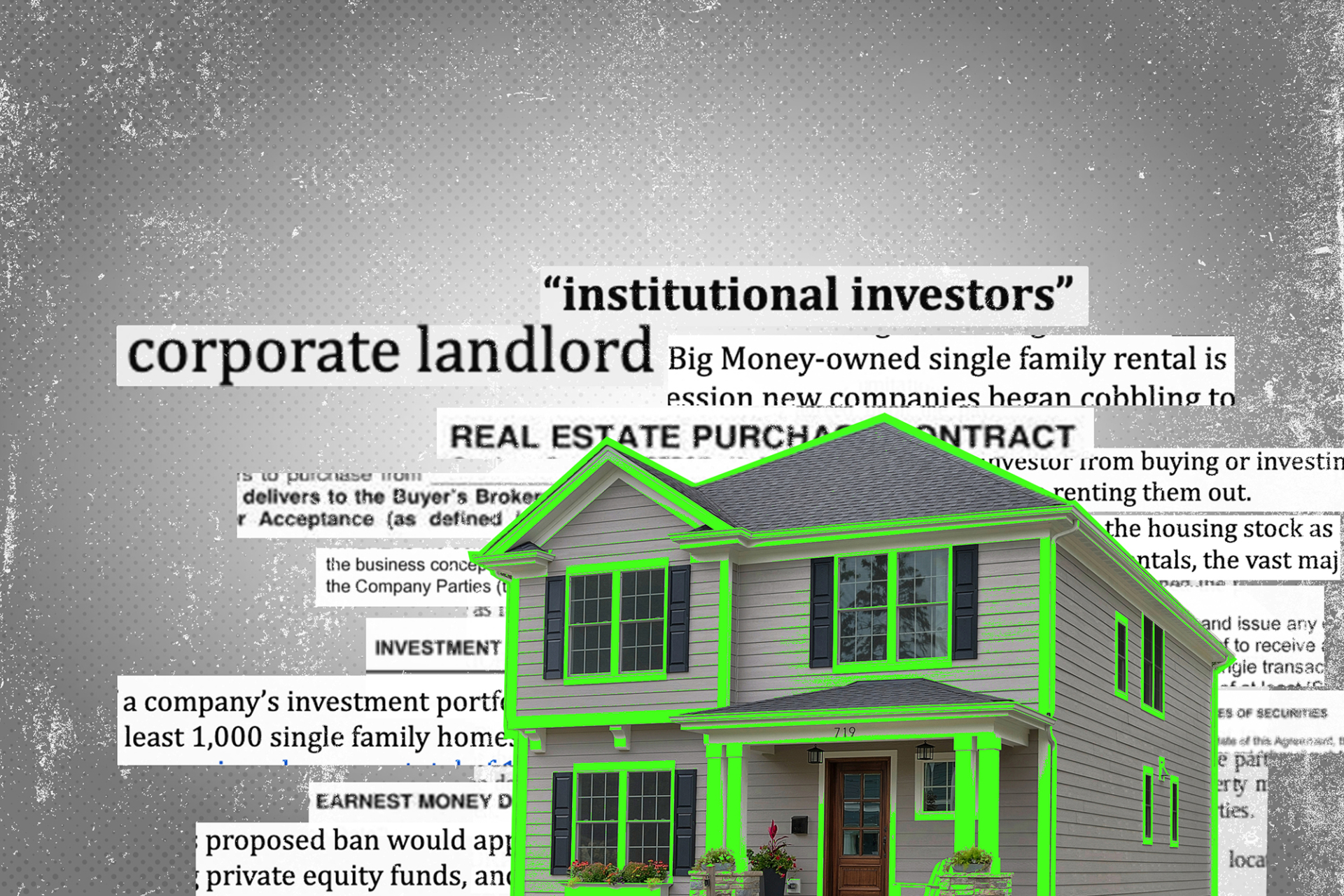
California's housing market is in the crosshairs of some of the state's most influential lawmakers, who are determined to curb the influence of institutional investors. This legislative session, at least three bills are being considered to prevent these corporate landlords from amassing a significant number of the state's single-family homes.

Proposition 33: A Pivotal Moment in California’s Rent Control Debate

Proposition 33 has sparked a heated debate. Proponents argue that repealing Costa–Hawkins would allow cities to tailor rent control measures to their unique needs, potentially easing the financial burdens on renters.

By |October 16, 2024|Categories: Article, Housing, Legislation|Tags: , |0 Comments

The Trump Era: A Transformative Journey in the U.S. Housing Market

The presidency of Donald Trump ushered in a period of notable shifts in the U.S. housing market, characterized by tax cuts, deregulation, and the unforeseen impact of a global pandemic. This era, marked by both growth and uncertainty, offers a complex narrative of economic policy and market dynamics.

Donald Trump’s Intricate Family Web

Donald Trump, a name synonymous with real estate, reality television, and politics, presents a complex family tapestry woven with professional and personal threads. His family, deeply enmeshed in his business ventures and political pursuits, forms a network of intricate connections.


By |October 15, 2024|Categories: Article, Family, Politics|Tags: , |0 Comments