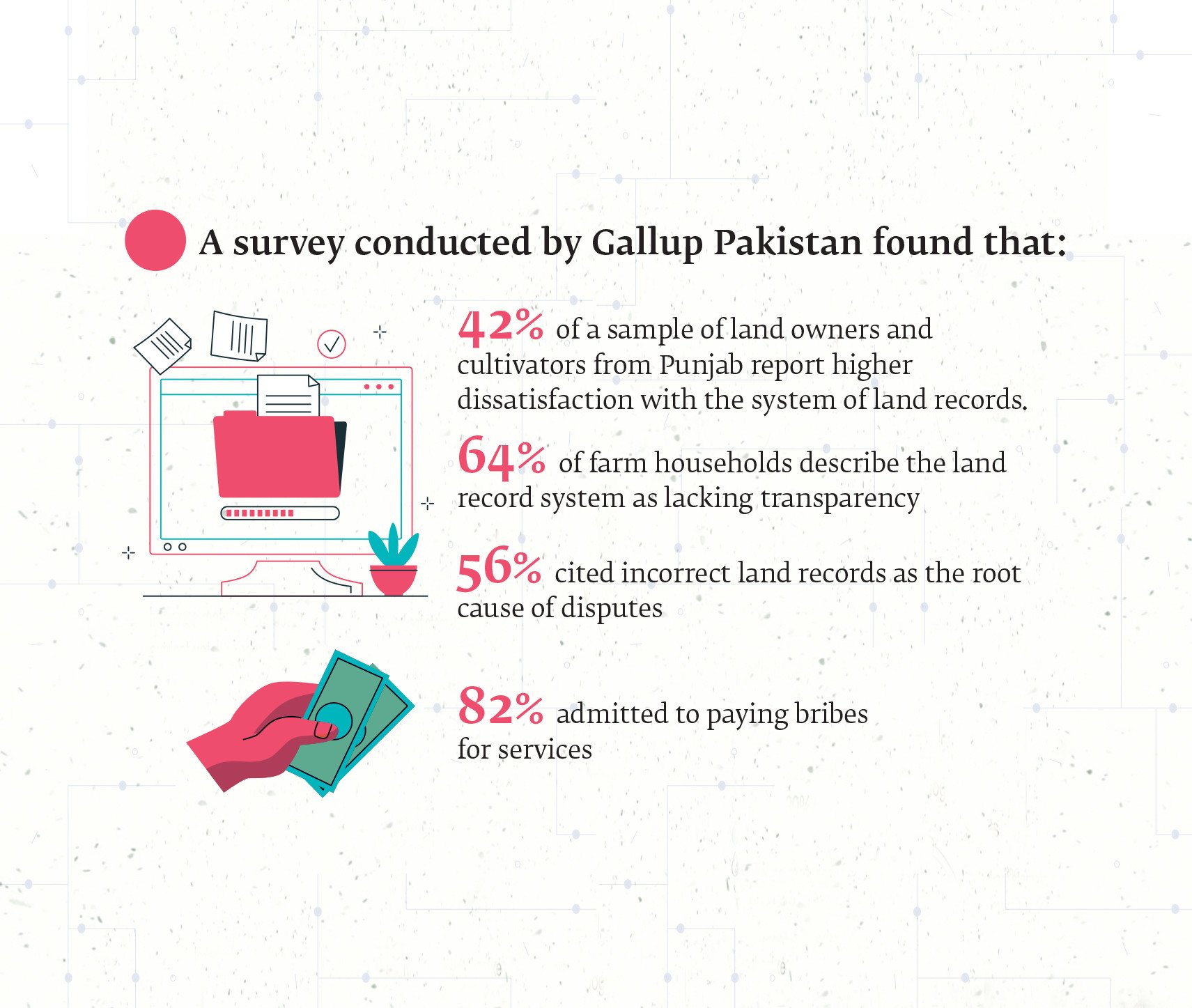
In the heart of Pakistan’s bustling cities and sprawling rural landscapes lies a persistent challenge that has long stifled economic growth and social stability: land management. For decades, the system has been mired in inefficiencies, corruption, and outdated colonial-era practices, leaving millions frustrated and the nation’s economic potential untapped.
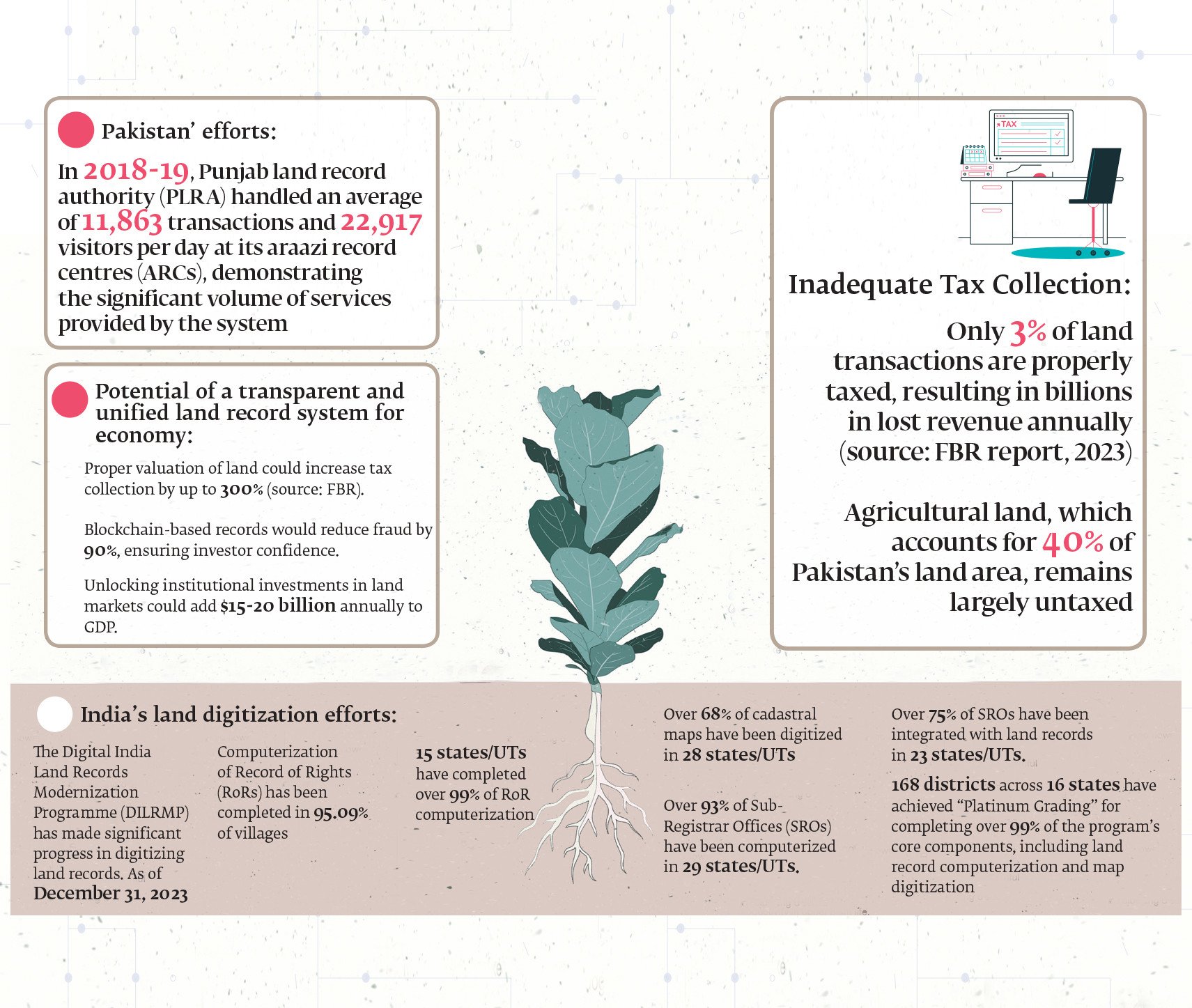
Efforts to modernize this convoluted system have been made, notably through initiatives like Punjab’s Land Record Management Information System (LRMIS). However, these efforts remain fragmented and limited in scope. The slow pace of digitization and the continued reliance on manual records mean that the full benefits of these initiatives are yet to be realized. According to a recent article in The Express Tribune, the ongoing challenges in land ownership and management are a significant hurdle to Pakistan’s progress.
Blockchain: A Beacon of Hope
Amidst these challenges, blockchain technology emerges as a promising solution. Known for its secure and transparent nature, blockchain could revolutionize land management in Pakistan by ensuring clear and immutable land titles. This technology has the potential to reduce corruption and fraudulent transactions, offering a path towards a more efficient and equitable system.
International examples provide a blueprint for success. Georgia’s blockchain land registry, for instance, has been hailed as a triumph in transparency and fraud prevention. By storing land records on an immutable digital ledger, Georgia has effectively eliminated disputes arising from document manipulation. This model offers valuable lessons for Pakistan, highlighting the transformative potential of blockchain in governance.
Challenges and the Road Ahead
Despite its promise, implementing blockchain in Pakistan is not without challenges. Political resistance, bureaucratic inertia, and a lack of technical expertise pose significant hurdles. Moreover, vested interests benefiting from the current system’s opacity are likely to oppose such reforms. Overcoming these obstacles will require strong political will and collaboration across federal and provincial levels.
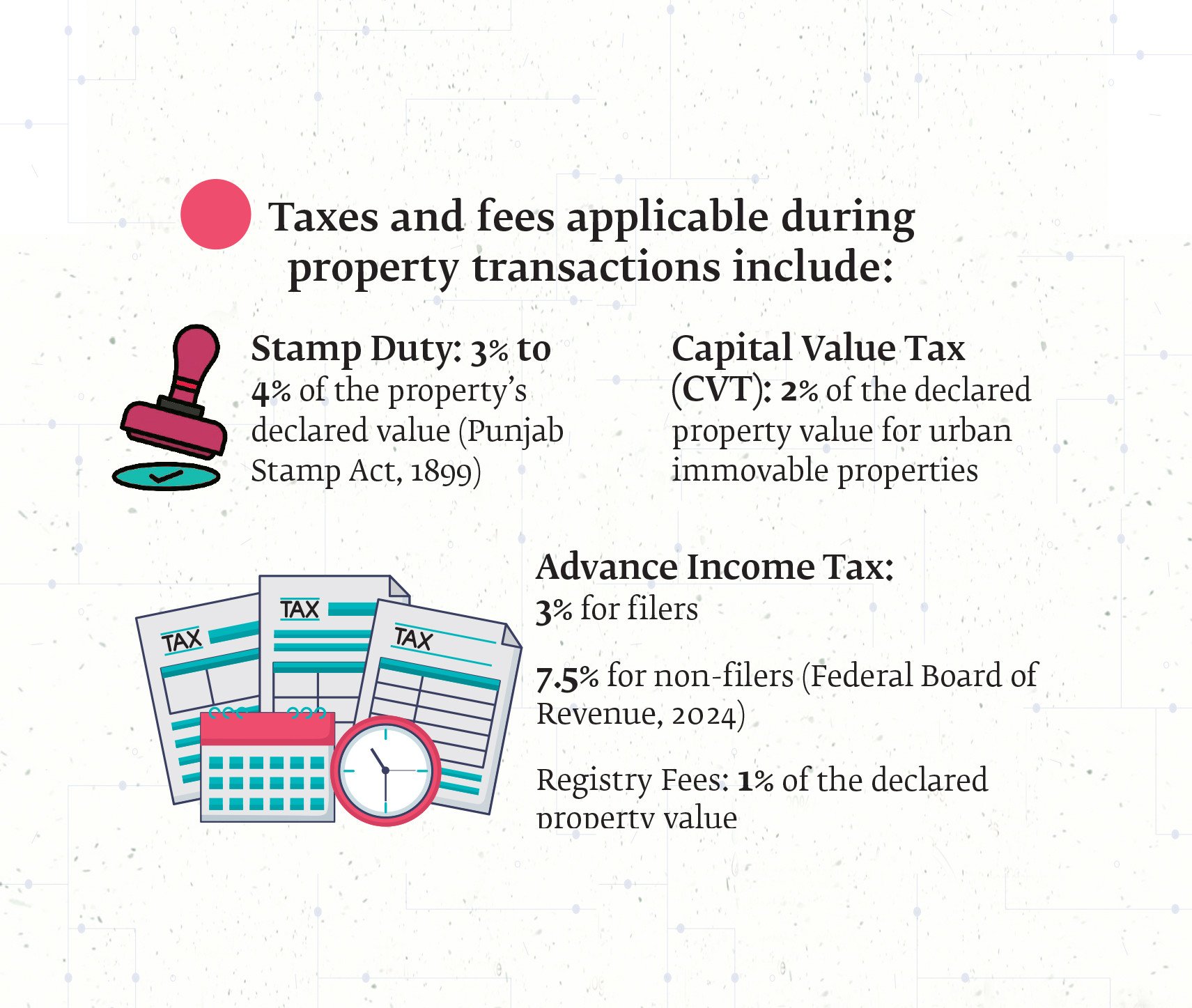
To pave the way for blockchain adoption, Pakistan must first consolidate existing digitization efforts, integrating provincial databases into a unified national platform. Legislation should standardize land valuation methods, eliminating disparities and closing loopholes that allow tax evasion. Public awareness campaigns will also be crucial in ensuring widespread adoption and trust in the new system.
Conclusion: A Call for Urgent Reform
The inefficiencies in Pakistan’s land management system have persisted for too long, hindering economic growth and legal transparency. However, with the right reforms and the adoption of cutting-edge technology, Pakistan has the potential to revolutionize its land administration. By learning from global examples and embracing blockchain’s capabilities, the country can unlock billions in economic value, boost investor confidence, and strengthen tax revenues.
The need for reform is urgent — Pakistan cannot afford to let its land management crisis continue unchecked. As highlighted in The Express Tribune, the time for action is now.
More Articles
Getting licensed or staying ahead in your career can be a journey—but it doesn’t have to be overwhelming. Grab your favorite coffee or tea, take a moment to relax, and browse through our articles. Whether you’re just starting out or renewing your expertise, we’ve got tips, insights, and advice to keep you moving forward. Here’s to your success—one sip and one step at a time!
The recent settlement agreements between Anywhere Real Estate and RE/MAX have brought significant changes to the real estate industry. These agreements mark a turning point in buyer broker compensation and have far-reaching implications for agents and brokers alike. With the removal of the National Association of Realtors (NAR) membership requirement and the Code of Ethics, agents now have more flexibility in conducting their business. This shift has sparked both optimism and concerns within the industry. Join us as we navigate through the changes brought about by these settlement agreements and uncover their potential effects on professionalism, competition, and the overall landscape of the real estate market.
The mortgage market is currently facing significant challenges, with mortgage rates nearing 8%, low housing inventory, and rising home prices. In this article, we explore the strategies employed by wholesale lenders and brokers to navigate these conditions and adapt to the changing market landscape. One key strategy is the implementation of down-payment assistance programs, providing financial support to potential homebuyers. Another is the option to buy down mortgage rates, offering more affordable monthly payments. With limited housing inventory, many potential homebuyers are turning to fixer-upper properties, and lenders are capitalizing on this trend by offering renovation loans. Brokerage firm owners are also diligently managing their cost structures to remain profitable. Looking ahead, industry professionals are closely monitoring the potential impact of the Federal Reserve's tightening monetary policy and political instability on the mortgage market.
Two innovative startups in Texas, Hive3D and Icon, are leveraging 3D printing technology to combat housing inventory shortages and climate change. They're constructing eco-friendly homes, offering a groundbreaking approach to sustainable housing. Houston-based Hive3D uses "green cement," reducing waste and contributing positively to the environment. Icon's efficient construction methods enable them to construct an entire subdivision of homes in less time, meeting the growing demand for housing and reducing resource consumption. These 3D-printed homes are more cost-effective due to reduced labor costs and minimized material waste, offering more affordable housing options.
In the midst of the continued climb of 30-year fixed mortgage rates, the Mortgage Bankers Association (MBA) has issued a call to the Federal Reserve (Fed) to bring much-needed certainty to the financial markets. The MBA believes that the Fed must make clear statements regarding the end of its rate hikes and its intentions with its mortgage-backed securities (MBS) holdings. The MBA, represented by its president and CEO, Bob Broeksmit, has emphasized the urgency of the Fed's communication. Broeksmit asserts that the Fed needs to clearly state that it has reached the end of its rate hikes and that it will refrain from selling its MBS holdings until the housing finance market stabilizes and mortgage-to-Treasury spreads normalize.
Despite a decline in mortgage application fraud, New York and Florida continue to face the highest mortgage fraud risks in the nation. The primary drivers of fraud risk in these states are fraudulent income misrepresentation and undisclosed real estate liabilities. High-risk metropolitan areas include New York City, Miami, Tampa, and Orlando. To combat mortgage fraud risks, it is crucial to maintain vigilance and take proactive actions. Stay ahead of the game and protect yourself from mortgage fraud risks in New York and Florida. Sign up for our mortgage fraud prevention course today.
Significant changes may be on the horizon for the United States housing market if new legislation is passed. Bills introduced in both the U.S. Senate and the House of Representatives propose the requirement of title insurance on mortgages purchased by government-sponsored enterprises (GSEs). Known collectively as The Protecting America's Property Rights Act, these bills are currently under consideration and have not yet been voted on. If passed, the proposed amendments to the charters of Fannie Mae and Freddie Mac would make primary-lien title insurance mandatory for conventional mortgages on one- to four-unit properties. Title insurance plays a critical role in the mortgage industry by protecting lenders and homeowners. It offers financial loss protection in the event of property title defects, ensuring that property ownership is free from any legal disputes or claims. Lawmakers aim to enhance the integrity of the mortgage market and provide additional safeguards for lenders and borrowers by requiring title insurance on GSE-backed loans.