Bob Goldberg Steps Down as NAR CEO: A Leadership Change at the National Association of Realtors Subtitle: A New Era of Strategies and Rebuilding for the Future Introduction: The real estate industry is abuzz with the news of Bob Goldberg stepping down as the CEO of the National Association of Realtors (NAR). This leadership change comes in the wake of the trade group’s loss in the Sitzer/Burnett commission lawsuit trial, which has raised questions about the NAR’s practices and the need for reevaluation. In this article, we will delve into the implications of Goldberg’s departure, his tenure as CEO, and the challenges and opportunities that lie ahead for the NAR. Section 1: The Sitzer/Burnett Commission Lawsuit Trial and its Impact on the NAR – A setback for the NAR: The Sitzer/Burnett commission lawsuit trial – Implications of allegations of anti-competitive behavior – The call for transparency and accountability in the real estate industry Section 2: The Initiatives for Industry Modernization under Bob Goldberg’s Tenure as CEO – NAR’s vision under Goldberg and his efforts to modernize the industry – The role of technology and innovation under Goldberg’s leadership – The benefits of the Realtors Property Resource (RPR) for real estate professionals Section 3: The NAR’s Strategy and Leadership Reevaluation – A turning point for the NAR: The aftermath of the lawsuit – Reflections and implications of Bob Goldberg’s departure – The challenges ahead in the search for new leadership Conclusion: The departure of Bob Goldberg as CEO of the NAR marks a significant moment in the organization’s history. It presents an opportunity for the NAR to reevaluate its strategies, rebuild its reputation, and regain the trust of its members and the real estate community. As the industry continues to evolve, the NAR must adapt and embrace change to remain relevant and effective. By focusing on transparency, accountability, and innovation, the NAR can navigate the challenges ahead and emerge stronger than ever. Call-to-Action (CTA): Subtitle: The Future of Real Estate Education Awaits CTA Pitch: At Cameron Academy, we are committed to providing high-quality career education courses that give you a competitive advantage in the real estate industry. Our innovative and interactive learning experience, tailored to your needs, will equip you with the real-world skills you need to succeed. Start your journey towards success today! CTA Button: Explore Our Courses

More Articles

Getting licensed or staying ahead in your career can be a journey—but it doesn’t have to be overwhelming. Grab your favorite coffee or tea, take a moment to relax, and browse through our articles. Whether you’re just starting out or renewing your expertise, we’ve got tips, insights, and advice to keep you moving forward. Here’s to your success—one sip and one step at a time!

How Post‑Election Power Shifts Are Setting Up a New Real Estate Landscape for 2026

Local elections across major U.S. cities have kicked off a wave of policy changes that could reshape development costs, rental income, and investment strategies heading into 2026. From NYC’s aggressive tenant‑protection agenda to Chicago’s sustainability push, Miami’s political uncertainty, and Boston’s steady zoning overhaul, the post‑election environment is redefining how real estate professionals, investors, and lenders should prepare for the year ahead.

The Surge of AI Insurance Exclusions Reshaping Professional Liability in 2025

Insurance carriers are rapidly rolling out AI-related exclusions that strip coverage from claims involving AI tools, automated decision‑making, or generative platforms like ChatGPT and Midjourney. With firms like Berkley and Hamilton introducing sweeping “absolute” and generative‑AI‑specific exclusions, professionals in real estate, mortgage, insurance, and finance now face new liability gaps. As AI becomes unavoidable in everyday work, understanding these exclusions is essential for protecting your career and staying compliant in a fast‑changing risk environment.

Venn Lands $52M to Rebuild the Renting Experience — A Shift Real Estate Pros Can’t Ignore

Proptech startup Venn has raised a $52 million Series B to unify the entire renting lifecycle into one intelligent platform, replacing over a dozen traditional systems and serving more than half a million tenants. As AI‑powered tools like Venn rapidly reshape property operations, real estate professionals — especially in fast‑moving markets like Florida — will need stronger education and tech‑savvy skills to stay competitive.

Rising Insurance Costs Push Florida’s Middle Class to the Brink

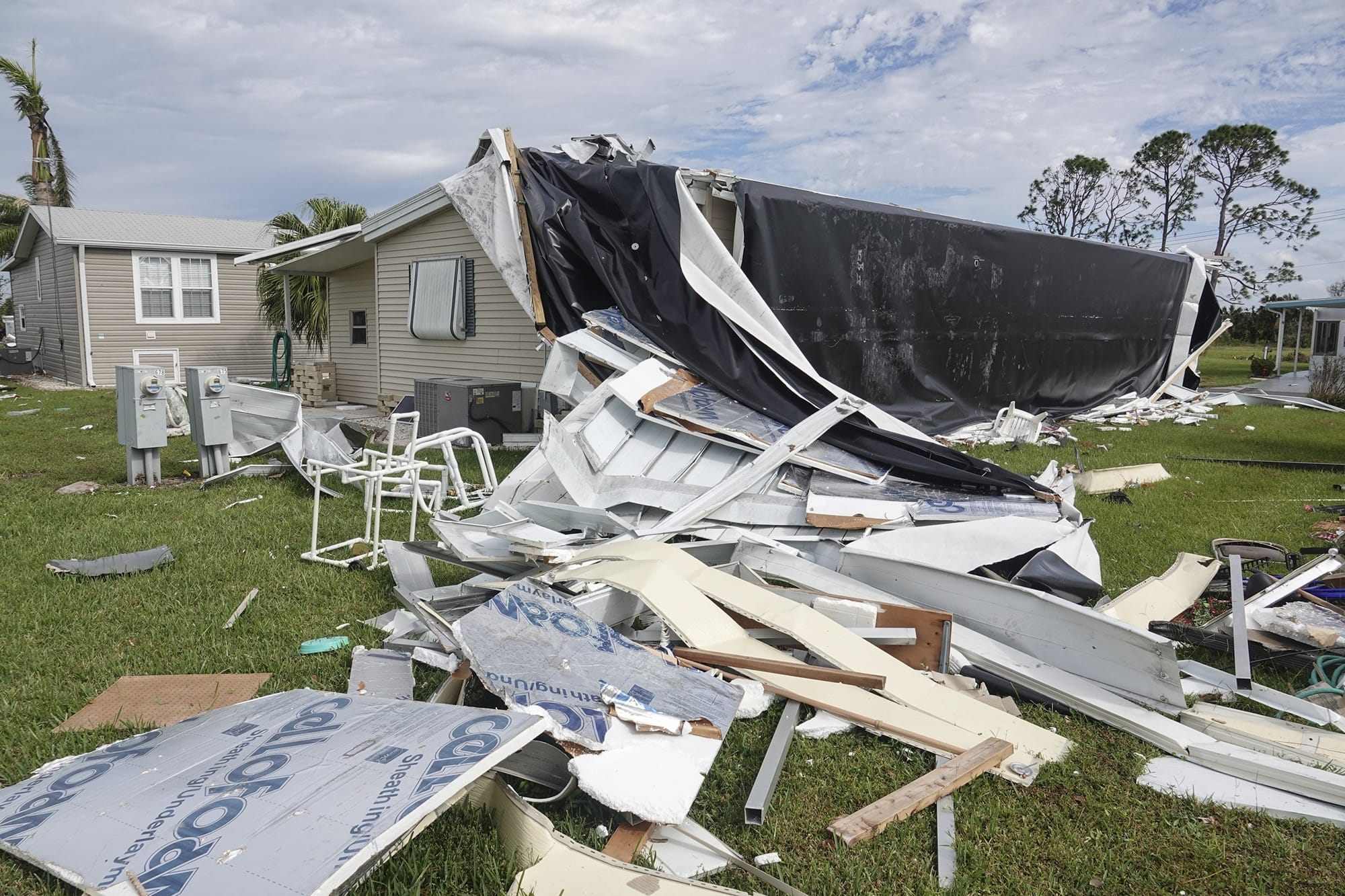
Florida’s Gulf Coast is undergoing a dramatic transformation as soaring insurance premiums, costly construction requirements, and the long shadow of Hurricane Ian force middle‑class families, workers, and longtime residents out of communities they once anchored. With premiums topping $5,700 a year — and many paying far more — Realtors warn of looming foreclosures, renters face steep increases, and entire neighborhoods are being rebuilt for wealthier newcomers. This mounting crisis is reshaping the state’s real estate landscape and leaving professionals scrambling to adapt.

Top Commercial Real Estate Issues to Watch in 2026

Economic uncertainty, rapid tech advances and shifting population patterns are setting the stage for a pivotal year in commercial real estate. New findings from the Counselors of Real Estate, presented at NAR NXT, outline ten major forces reshaping strategy, investment and opportunity in 2026—from policy impacts and portfolio risk to AI adoption, capital flow changes, housing attainability and demographic shifts. This outlook offers clarity and caution for professionals across real estate, mortgage, finance and related fields.

New Reforms, Familiar Risks: Why Florida’s Home Insurance Market Still Isn’t Stabilizing

Florida’s home insurance crisis is back in the spotlight as new reforms appear to be repeating decades‑old mistakes. Despite efforts to depopulate Citizens and attract private insurers, many of the companies taking over policies have ties to past insolvencies. Critics say weak oversight, generous ratings, and political influence are allowing unstable insurers to thrive while homeowners pay more for less protection. Experts warn that without transparent ratings, real accountability, and unified regulation, Florida’s insurance market will remain vulnerable—putting property values, lending, and the broader real estate industry at risk.