“`html

Boost Your GMAT Scores with the Best Prep Courses

For aspiring MBA students, the Graduate Management Admission Test (GMAT) can be a daunting hurdle. However, the right preparation course can significantly alleviate this stress. As highlighted in a recent Forbes article, there are several standout options available to help you boost your scores.

Magoosh emerges as the top contender, offering a comprehensive package that includes video lessons, practice questions, and tests. Known for its flexible online programs and one-on-one tutoring, Magoosh provides a free trial, allowing students to experience its offerings before committing. This makes it an ideal choice for those seeking a robust online learning experience.

For those who prefer traditional classroom settings, The Princeton Review GMAT Prep Course offers in-person study sessions and private tutoring. This option is perfect for students who benefit from face-to-face interaction and structured learning environments.

On a budget? PrepScholar might be your best bet. With its affordable pricing, PrepScholar provides a solid foundation for students without breaking the bank. The course is particularly appealing for its custom study plans based on diagnostic scores, ensuring a personalized learning experience.

For those looking to hone their quantitative reasoning skills, Target Test Prep is an excellent choice. This course offers extensive practice in quantitative reasoning, making it ideal for students looking to strengthen their math skills.

The GMAT Focus Official Prep Course rounds out the list, offering customizable modules that allow students to tailor their study plans according to their specific needs. This flexibility is perfect for those who need targeted practice in certain areas of the exam.

Choosing the right GMAT prep course depends on your individual learning style and needs. By evaluating your strengths and selecting the appropriate course, you can effectively prepare for the GMAT and improve your chances of achieving a high score.

“`

More Articles

Getting licensed or staying ahead in your career can be a journey—but it doesn’t have to be overwhelming. Grab your favorite coffee or tea, take a moment to relax, and browse through our articles. Whether you’re just starting out or renewing your expertise, we’ve got tips, insights, and advice to keep you moving forward. Here’s to your success—one sip and one step at a time!

Trump’s 2026 Mortgage Rate Prediction: What Real Estate Pros Should Really Expect

President Trump recently suggested mortgage rates will drop “a lot lower” by early 2026, sparking industry-wide curiosity — but current economic data tells a more measured story. With today’s 30‑year fixed hovering near 6.25%, experts say meaningful declines remain possible, though not guaranteed, and would depend on softer inflation, weaker economic signals, or a shift in bond market behavior. While political comments created headlines, analysts emphasize that only market conditions — not rhetoric — can drive rates down. Independent forecasts already point toward mid‑5% rates by 2026, offering a potentially healthier landscape for buyers, agents, and mortgage professionals preparing for the next cycle.

Why Mortgage Executives Can’t Afford to Ignore AI

Artificial intelligence has moved from a futuristic concept to a central force driving today’s mortgage industry. From smarter underwriting to enhanced borrower experiences and tighter compliance, AI is transforming every corner of mortgage lending. As expectations rise and competition accelerates, AI literacy is no longer optional — it’s a core skill every mortgage, real estate and finance professional must master to stay relevant and lead confidently.

Global Commercial Real Estate Enters a Long-Term Era of Transformation

Global commercial real estate is shifting away from short-term recovery cycles and entering a long-term transformation driven by technology, sustainability, demographic change, and evolving work‑life patterns. Capital is becoming more selective, favoring resilient assets and alternative lenders, while high‑demand sectors such as industrial, logistics, data infrastructure, and specialized residential continue to outperform. Geography, sustainability standards, and flexibility are emerging as defining forces for the next cycle, signaling major opportunities—and challenges—for real estate professionals preparing for the future.

How AI Is Quietly Rewriting the Future of Real Estate

Artificial intelligence has moved from hype to essential infrastructure in the real estate world. From smarter valuations and predictive analytics to automated lead generation and personalized property-matching tools, AI is transforming how agents, brokers, lenders, and managers operate. As top platforms like Zillow, Redfin, Opendoor, and dozens more integrate deep‑learning technology, professionals across real estate, mortgage, insurance, and finance are being pushed to adapt. The future belongs to those who embrace these tools — and use them to elevate speed, accuracy, and client experience.

Florida’s Property Insurance Market Makes a Strong Comeback in 2025

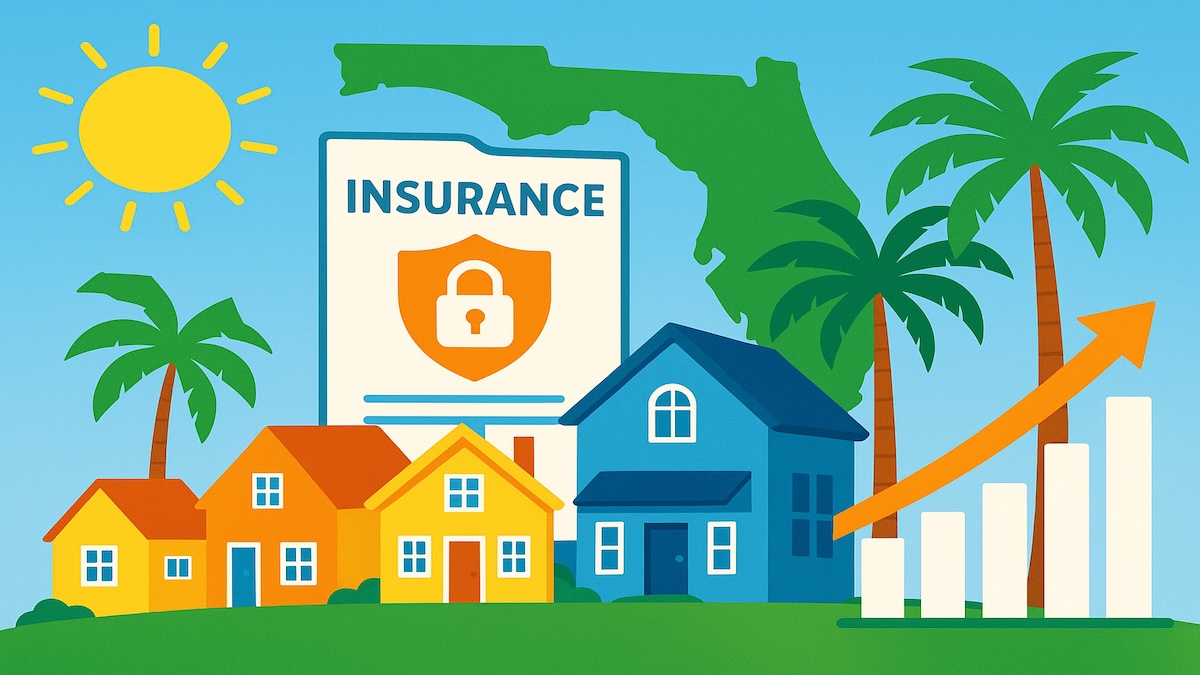
Florida’s once‑troubled property insurance market has staged an impressive recovery after its near‑collapse in 2022. A new ALIRT Insurance Research report shows that legislative reforms, tighter underwriting and the arrival of new insurers have restored stability, reduced Citizens’ policy load and revived industry confidence. While risks remain, the rebound is reshaping housing affordability and creating fresh opportunities for real estate, mortgage and insurance professionals.

Florida Moves to Ban AI‑Only Insurance Claim Denials: What Professionals Need to Know

A new bill gaining momentum in Tallahassee would stop insurers from denying claims based solely on artificial intelligence. Championed by Rep. Hillary Cassell, the proposal aims to restore trust in Florida’s troubled insurance market by ensuring human oversight in decisions that affect homeowners, newcomers, and industry professionals. As debates intensify, experts warn AI is reshaping insurance faster than ever—making it critical for real estate, mortgage, and insurance professionals to understand the regulatory shifts ahead.