“`html

Boosting Broker Efficiency: A Guide to Faster Closings

In the ever-changing landscape of the brokerage industry, speed has become a critical factor in maintaining a competitive edge. As the market continues to fluctuate, brokers are finding that faster closings not only enhance their business operations but also significantly improve client satisfaction and retention.


According to a recent article by MPA Mag, provided by RCN Capital, brokers who can close deals swiftly are better positioned to thrive in 2025. The article highlights several strategies to achieve this, including the importance of organization, the use of technological tools, and leveraging private lending.


Building a Solid Foundation

One of the key strategies for faster closings is ensuring that brokers have a well-organized system in place. This includes accurate project tracking and compliant storage of documentation. Technological tools can assist brokers in these areas, especially as tech continues to expand within the real estate industry.


Leveraging Private Lending

Private lending offers a significant advantage in achieving faster closings. These lenders specialize in the asset classes they lend on, allowing them to quickly vet deals and streamline the process. Their flexibility in requirements and underwriting often results in reduced turn times compared to traditional lending.


Expertise and Client Management

For brokers, assuming the role of industry expert is crucial, even when dealing with experienced clients. This involves having practical expertise in generating comparable property lists and determining deal viability. A clear business strategy and organized project paperwork can lead to smoother processes and fewer questions from financiers and contractors.


In conclusion, as brokers navigate the challenges of 2025, the ability to close deals quickly and efficiently will be essential. By implementing these strategies, brokers can not only survive but thrive in the evolving market landscape.


“`

More Articles

Getting licensed or staying ahead in your career can be a journey—but it doesn’t have to be overwhelming. Grab your favorite coffee or tea, take a moment to relax, and browse through our articles. Whether you’re just starting out or renewing your expertise, we’ve got tips, insights, and advice to keep you moving forward. Here’s to your success—one sip and one step at a time!

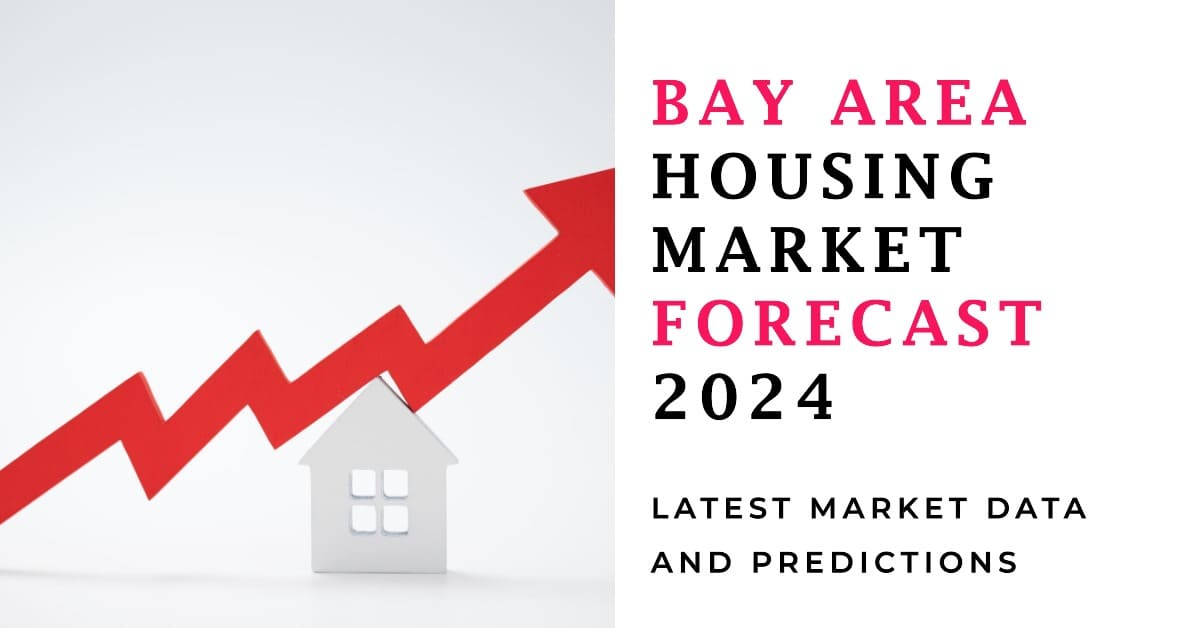
Housing Costs Surge: Navigating the 2024 Construction Material Price Hike

In an unexpected twist of economic fate, the construction industry finds itself grappling with a steep ascent in building material costs, a trend that began its climb at the dawn of 2024.

Texas High-Tech Sector Rebounds Post-Pandemic, Set for New Growth Trajectory

As the dust settles from the pandemic, Texas' high-tech sector is shaking off its post-pandemic slump and gearing up for a new growth trajectory.

Struggling Landlords Seek Relief Amid Rising Insurance Costs

In the ever-evolving landscape of commercial real estate, a new challenge has emerged, straining the resilience of landlords and developers alike. The soaring costs of insurance, exacerbated by climate-induced natural disasters, are creating a formidable obstacle for property owners. Particularly affected are coastal cities and towns, where the risk of storms and floods is high.

By |October 24, 2024|Categories: Article, Insurance, Real Estate|Tags: , |0 Comments

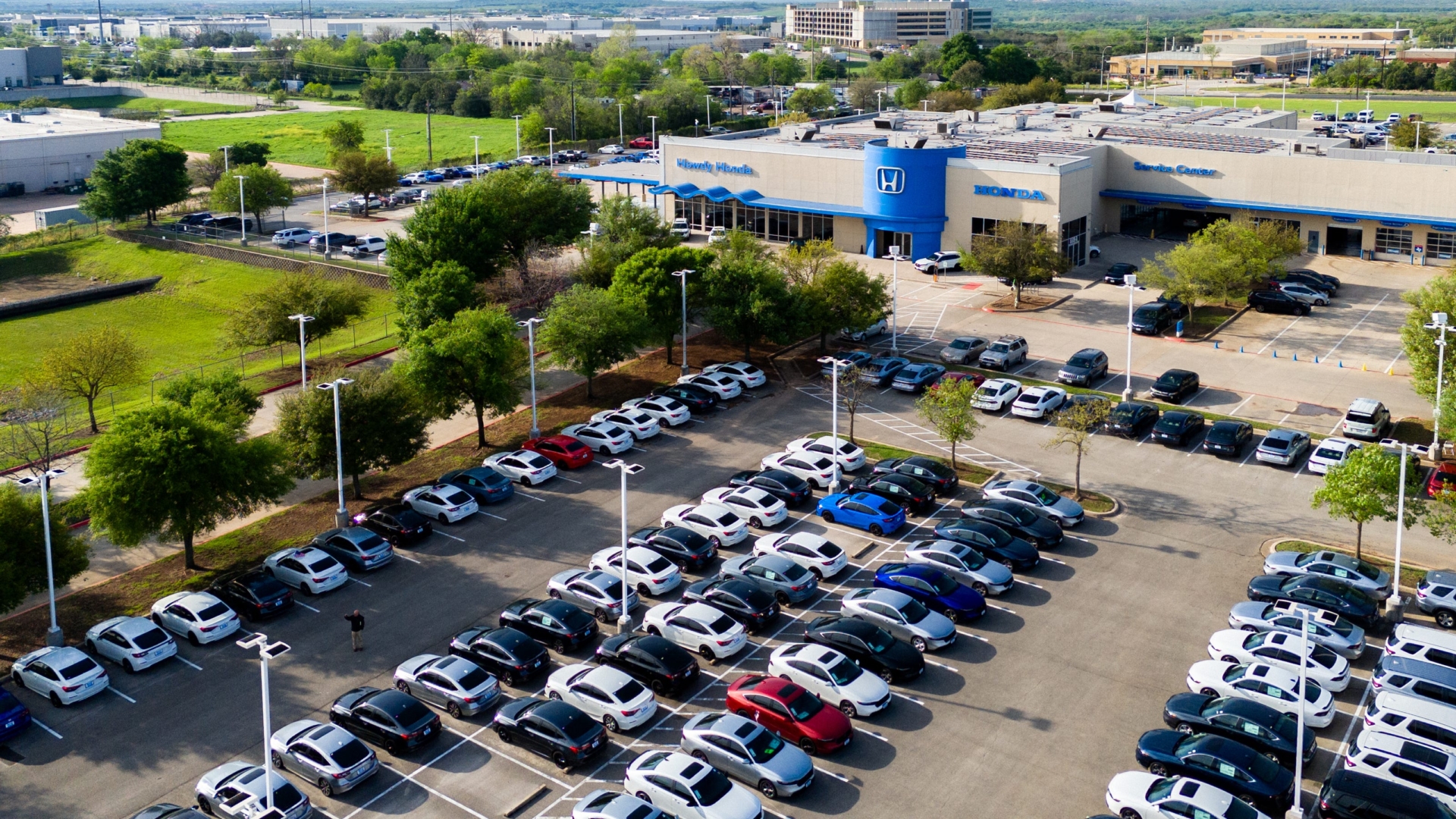
CDK Global’s Cyberattack Disrupts U.S. Car Dealerships

In a significant cyberattack that has disrupted operations across the United States, CDK Global, a leading provider of cloud-based software to automotive dealerships, was forced to shut down most of its systems. This incident has highlighted the vulnerabilities and rising trend of cyberattacks targeting the auto industry.

By |October 23, 2024|Categories: Article, Automotive Industry, Cybersecurity|Tags: , |0 Comments

Commercial Real Estate: A Sector Under Siege

The commercial real estate landscape has experienced seismic shifts, particularly with properties purchased prior to the Covid-19 pandemic. Many of these assets now hold diminished value compared to the loans used to acquire them.