BRICS Unveils Ambitious Plan to Reshape Global Financial Landscape
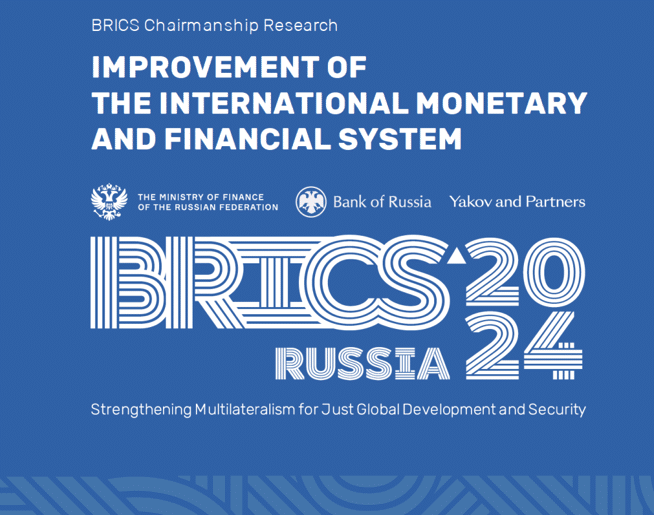
In a bold move to challenge the dominance of the U.S. dollar, the BRICS organization has announced a comprehensive strategy aimed at transforming the international monetary and financial system. This initiative, spearheaded by Russia as the 2024 BRICS chair, seeks to establish a multi-currency system that could redefine global trade dynamics.
At the heart of this plan is the proposed BRICS Cross-Border Payment Initiative (BCBPI), which will enable member countries to conduct trade using their national currencies. This initiative is designed to bypass the traditional SWIFT system, often seen as a tool of Western economic influence, and to mitigate the impact of unilateral sanctions.
Moreover, BRICS intends to explore the potential of central bank digital currencies (CBDCs) and distributed ledger technology. These innovations could allow nations to settle trade imbalances directly, enhancing financial autonomy and reducing dependency on third-party banks.
Building a New Financial Infrastructure
The BRICS framework includes the establishment of a BRICS Clear platform and a new system of securities accounting and settlement. These mechanisms aim to facilitate investment within BRICS nations and other emerging markets, while promoting the use of financial instruments denominated in national currencies.
In addition, a BRICS Grain Exchange is on the horizon, set to revolutionize commodity trading in grains, oil, natural gas, and gold. This exchange will not only support trade but also serve as a tool for settling trade imbalances.
Challenging Existing Financial Powers
The Russian report, co-authored by the Ministry of Finance and the Bank of Russia, critiques the current international monetary and financial system (IMFS) as unjust and inefficient. It highlights the excessive reliance on a single currency and centralized financial infrastructure, which predominantly serves the interests of advanced economies.
The report underscores the need for reform, citing the geo-economic fragmentation caused by the misuse of trade and financial restrictions. This sentiment echoes the broader call for a New International Economic Order (NIEO), a vision long advocated by the Group of 77 and supported by BRICS members.
Looking Ahead: The Role of SDRs
While the creation of a new international reserve currency remains a topic of debate, the report suggests that Special Drawing Rights (SDRs) could play a more significant role. Although currently limited in use, SDRs have the potential to act as a super-sovereign reserve currency, addressing the Triffin Dilemma and managing global liquidity.
However, the SDR’s reliance on a basket of major currencies, including the U.S. dollar, presents challenges. The document calls for efforts to enhance the utilization of SDRs in the real economy, despite the inherent exchange-rate risks associated with borrowing in SDRs.
De-Dollarization: A Gradual Shift
The path to de-dollarization is complex, particularly in the realm of savings and investment. While trade de-dollarization is more feasible, shifting reserves and savings away from dominant currencies like the U.S. dollar will require strategic initiatives and time.
BRICS proposes the creation of a BRICS Digital Investment Asset (DIA), backed by assets from member countries. This initiative, along with increased investment in gold, reflects a strategic pivot towards alternative reserve assets.
As the global economic landscape evolves, BRICS’ ambitious plan represents a significant step towards a more equitable financial system. While challenges remain, the ongoing efforts to establish alternative payment systems and financial messaging mechanisms signal a transformative shift in international economic relations.
More Articles
Getting licensed or staying ahead in your career can be a journey—but it doesn’t have to be overwhelming. Grab your favorite coffee or tea, take a moment to relax, and browse through our articles. Whether you’re just starting out or renewing your expertise, we’ve got tips, insights, and advice to keep you moving forward. Here’s to your success—one sip and one step at a time!
In the fast-evolving world of insurance, a transformative shift is underway, driven by the development of customer-centric ecosystems. As highlighted in a comprehensive study by EY, insurance ecosystems are reshaping the industry by focusing on customer engagement, trust, and operational excellence.
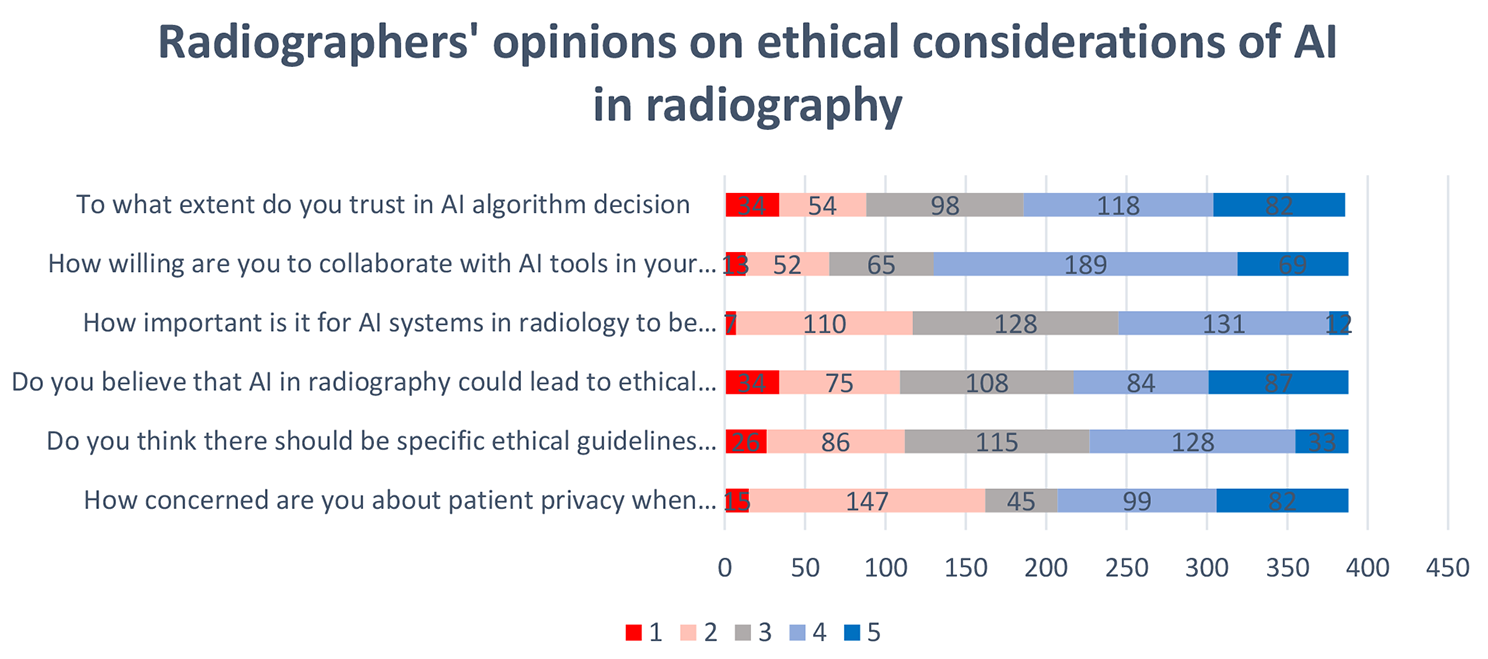
The integration of artificial intelligence in radiography brings a host of ethical challenges that demand careful consideration. A recent study highlights the diverse perspectives of radiographers, revealing significant knowledge gaps and varying trust levels in AI-driven decisions. Concerns over patient privacy and the need for dedicated ethical guidelines are pivotal as healthcare embraces AI.
AI tools are already delivering significant value and are poised to further transform healthcare. Embracing these changes today will position organizations and individuals to capture the long-term benefits of a more effective, efficient, and personalized healthcare system.
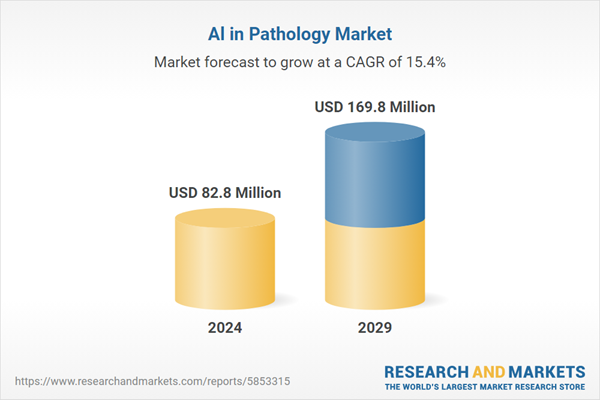
AI in pathology is revolutionizing the field by enhancing the analysis of clinical data, genomic information, and disease progression. These advancements are not only streamlining personalized treatment plans but also optimizing healthcare resource allocation.
In an era where data reigns supreme, the integration of artificial intelligence (AI) and machine learning (ML) into the realm of precision medicine is not just a possibility but a burgeoning reality.