BRICS Unveils Ambitious Plan to Reshape Global Financial Landscape
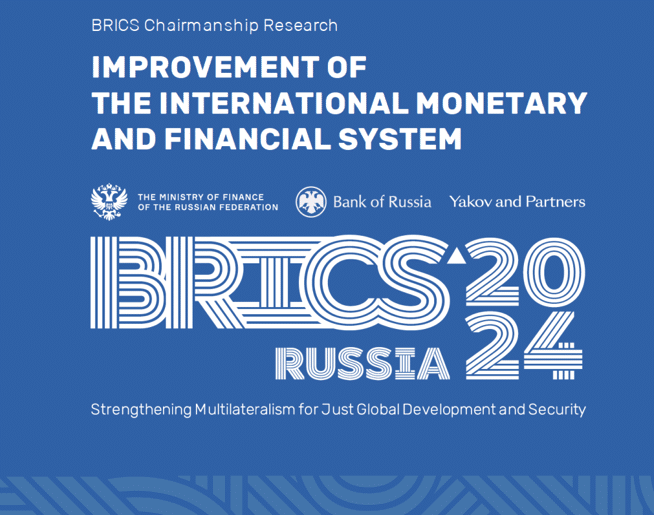
In a bold move to challenge the dominance of the U.S. dollar, the BRICS organization has announced a comprehensive strategy aimed at transforming the international monetary and financial system. This initiative, spearheaded by Russia as the 2024 BRICS chair, seeks to establish a multi-currency system that could redefine global trade dynamics.
At the heart of this plan is the proposed BRICS Cross-Border Payment Initiative (BCBPI), which will enable member countries to conduct trade using their national currencies. This initiative is designed to bypass the traditional SWIFT system, often seen as a tool of Western economic influence, and to mitigate the impact of unilateral sanctions.
Moreover, BRICS intends to explore the potential of central bank digital currencies (CBDCs) and distributed ledger technology. These innovations could allow nations to settle trade imbalances directly, enhancing financial autonomy and reducing dependency on third-party banks.
Building a New Financial Infrastructure
The BRICS framework includes the establishment of a BRICS Clear platform and a new system of securities accounting and settlement. These mechanisms aim to facilitate investment within BRICS nations and other emerging markets, while promoting the use of financial instruments denominated in national currencies.
In addition, a BRICS Grain Exchange is on the horizon, set to revolutionize commodity trading in grains, oil, natural gas, and gold. This exchange will not only support trade but also serve as a tool for settling trade imbalances.
Challenging Existing Financial Powers
The Russian report, co-authored by the Ministry of Finance and the Bank of Russia, critiques the current international monetary and financial system (IMFS) as unjust and inefficient. It highlights the excessive reliance on a single currency and centralized financial infrastructure, which predominantly serves the interests of advanced economies.
The report underscores the need for reform, citing the geo-economic fragmentation caused by the misuse of trade and financial restrictions. This sentiment echoes the broader call for a New International Economic Order (NIEO), a vision long advocated by the Group of 77 and supported by BRICS members.
Looking Ahead: The Role of SDRs
While the creation of a new international reserve currency remains a topic of debate, the report suggests that Special Drawing Rights (SDRs) could play a more significant role. Although currently limited in use, SDRs have the potential to act as a super-sovereign reserve currency, addressing the Triffin Dilemma and managing global liquidity.
However, the SDR’s reliance on a basket of major currencies, including the U.S. dollar, presents challenges. The document calls for efforts to enhance the utilization of SDRs in the real economy, despite the inherent exchange-rate risks associated with borrowing in SDRs.
De-Dollarization: A Gradual Shift
The path to de-dollarization is complex, particularly in the realm of savings and investment. While trade de-dollarization is more feasible, shifting reserves and savings away from dominant currencies like the U.S. dollar will require strategic initiatives and time.
BRICS proposes the creation of a BRICS Digital Investment Asset (DIA), backed by assets from member countries. This initiative, along with increased investment in gold, reflects a strategic pivot towards alternative reserve assets.
As the global economic landscape evolves, BRICS’ ambitious plan represents a significant step towards a more equitable financial system. While challenges remain, the ongoing efforts to establish alternative payment systems and financial messaging mechanisms signal a transformative shift in international economic relations.
More Articles
Getting licensed or staying ahead in your career can be a journey—but it doesn’t have to be overwhelming. Grab your favorite coffee or tea, take a moment to relax, and browse through our articles. Whether you’re just starting out or renewing your expertise, we’ve got tips, insights, and advice to keep you moving forward. Here’s to your success—one sip and one step at a time!
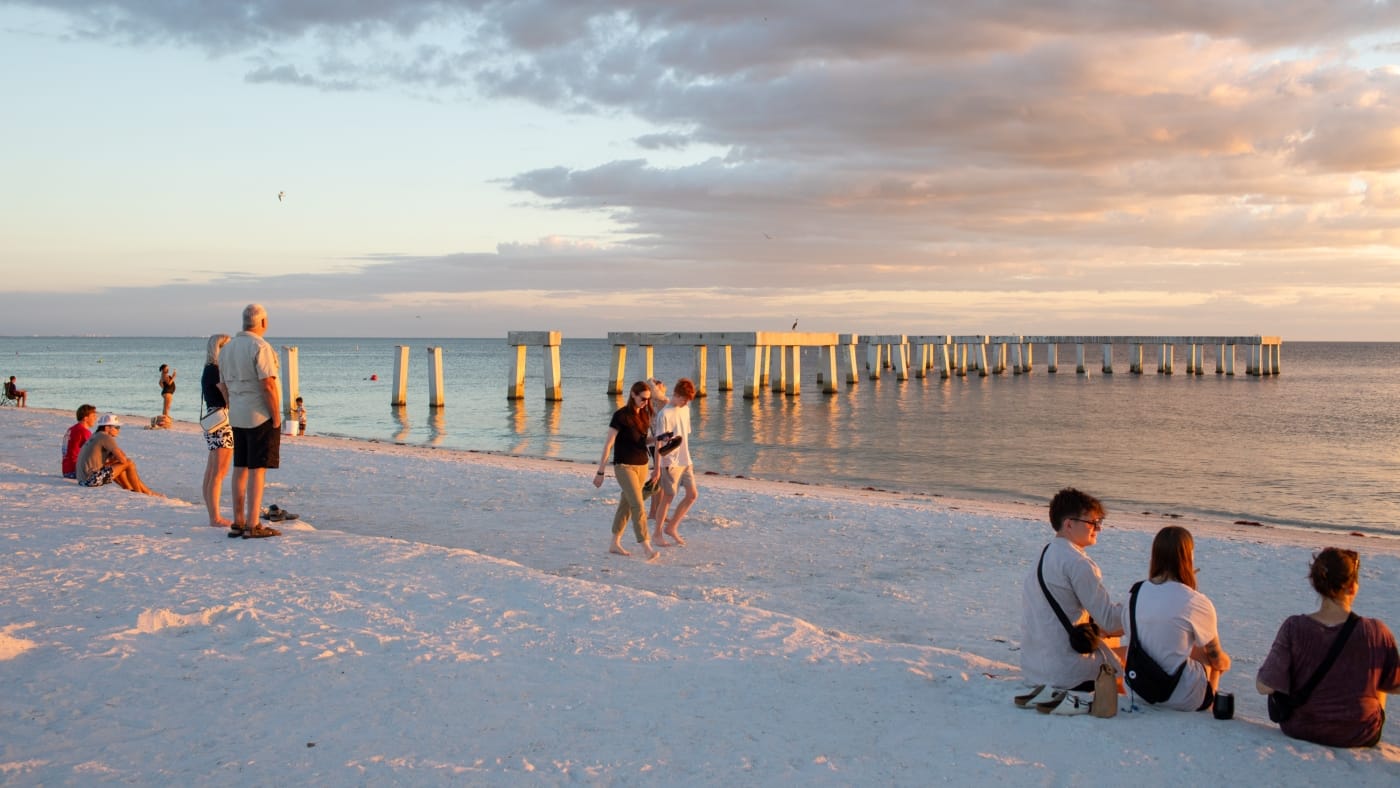
Fort Myers Beach is becoming the front line of a new Florida—one shaped by hurricane devastation, soaring insurance premiums, and rapid gentrification. Three years after Hurricane Ian, residents are still battling massive rebuilding costs and insurance bills that now exceed $5,700 a year on average, with flood insurance reaching $10,000 for some families. Long-time locals, small businesses, and service workers are being priced out as wealthy investors move in, transforming once-affordable coastal communities. Real estate professionals warn that foreclosures may rise if economic pressures continue, signaling a pivotal moment for Florida’s housing market and the professionals who serve it.
Economic uncertainty, AI disruption, slowing population growth, and rising portfolio risk are reshaping commercial real estate heading into 2026. A new report unveiled at NAR NXT highlights the forces that will reward informed professionals — and challenge those who aren’t prepared. From fiscal policy and shifting capital flows to tech transformation and housing shortages, the landscape is evolving fast. Cameron Academy breaks down the key issues so real estate, mortgage, finance, and insurance professionals can stay ahead of the curve.
A sudden federal shutdown of FEMA’s BRIC resiliency program has left cities and commercial property owners scrambling, exposing billions in real estate to rising climate threats. With nearly a billion dollars in mitigation funding clawed back and extreme weather intensifying, insurance premiums are expected to surge and coverage may shrink — placing new pressure on markets like Florida and New York.
A new Florida Senate bill aims to stop cities and counties from blocking residential developments over vague “compatibility” concerns. Supporters say the measure would speed up homebuilding and ease housing shortages, while opponents argue it strips communities of essential oversight and could accelerate growth without proper planning. The proposal could reshape development timelines and land-use decisions statewide, making it a major issue for real estate professionals to watch.
Cape Coral–Fort Myers has officially moved into buyer-friendly territory, with homes now sitting a median 119 days on the market—far longer than both the Florida and U.S. averages. Rising inventory, a 36.9 percent price‑reduction rate, and slower absorption compared to accumulated supply are giving buyers more leverage and time to negotiate, signaling a meaningful reset in this once‑fast‑moving Florida market.
Kansas City’s commercial real estate sector is finally turning a corner after several years of sluggish activity. Retail is leading the rebound, while multifamily and industrial properties are gaining traction as pricing stabilizes and buyer confidence returns. A standout 2025 transaction—the sale of the 380‑unit Cyan Southcreek community—signals that capital is flowing back into the market. With bid‑ask spreads tightening and investor optimism rising, Kansas City is entering a period of renewed opportunity for real estate professionals and investors alike.

 Florida’s Middle Class Is Being Squeezed Out: Insurance Costs, Rebuilding Struggles, and a Changing Coastline Gallery