In a world where artificial intelligence is rapidly transforming industries, a new report by McKinsey & Company highlights a crucial gap between employee readiness and leadership hesitancy in adopting AI strategies. As companies navigate this technological evolution, the report titled “Superagency in the Workplace: Empowering People to Unlock AI’s Full Potential” sheds light on the transformative potential of AI and the pivotal role of leadership in steering its adoption.


The AI Readiness Gap

While the report reveals that employees are eager and prepared to integrate AI tools into their workflows, a mere 1 percent of organizations consider themselves mature in AI deployment. This disparity underscores the need for leaders to accelerate their AI adoption strategies, leveraging the enthusiasm and readiness of their workforce.


Leadership’s Role in AI Transformation

The report emphasizes that the biggest barrier to AI scaling is not the workforce but rather the leadership’s slow pace in steering AI initiatives. It calls for a strategic approach from leaders to harness AI’s potential, focusing on areas like employee training, AI safety, and organizational transformation.


Investments and Strategic Roadmaps

Despite the eagerness to invest in AI, the report notes that few organizations have reached maturity in their AI deployment. A clear strategic roadmap and leadership alignment are crucial to achieving AI success. The study draws on insights from Reid Hoffman’s book, Superagency: What Could Possibly Go Right with Our AI Future, to explore how companies can harness AI to amplify human agency and unlock new levels of creativity and productivity.


The Path Forward

As the AI landscape evolves, business leaders are urged to set bold AI commitments, meet employee needs with on-the-job training, and embrace human-centric development. The goal is to transform AI from a productivity enhancer into a transformative superpower that increases human agency and drives systemic change.


For more details, you can download the full report here.

More Articles

Getting licensed or staying ahead in your career can be a journey—but it doesn’t have to be overwhelming. Grab your favorite coffee or tea, take a moment to relax, and browse through our articles. Whether you’re just starting out or renewing your expertise, we’ve got tips, insights, and advice to keep you moving forward. Here’s to your success—one sip and one step at a time!

AI in Medical Diagnosis: Revolutionizing Healthcare Standards

"AI and machine learning are emerging as powerful technologies to address this issue, improving the accuracy of medical diagnosis and revolutionizing healthcare with their myriad applications."

AI in Breast Imaging Market Set for Explosive Growth

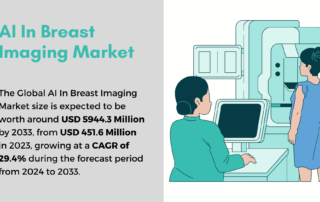
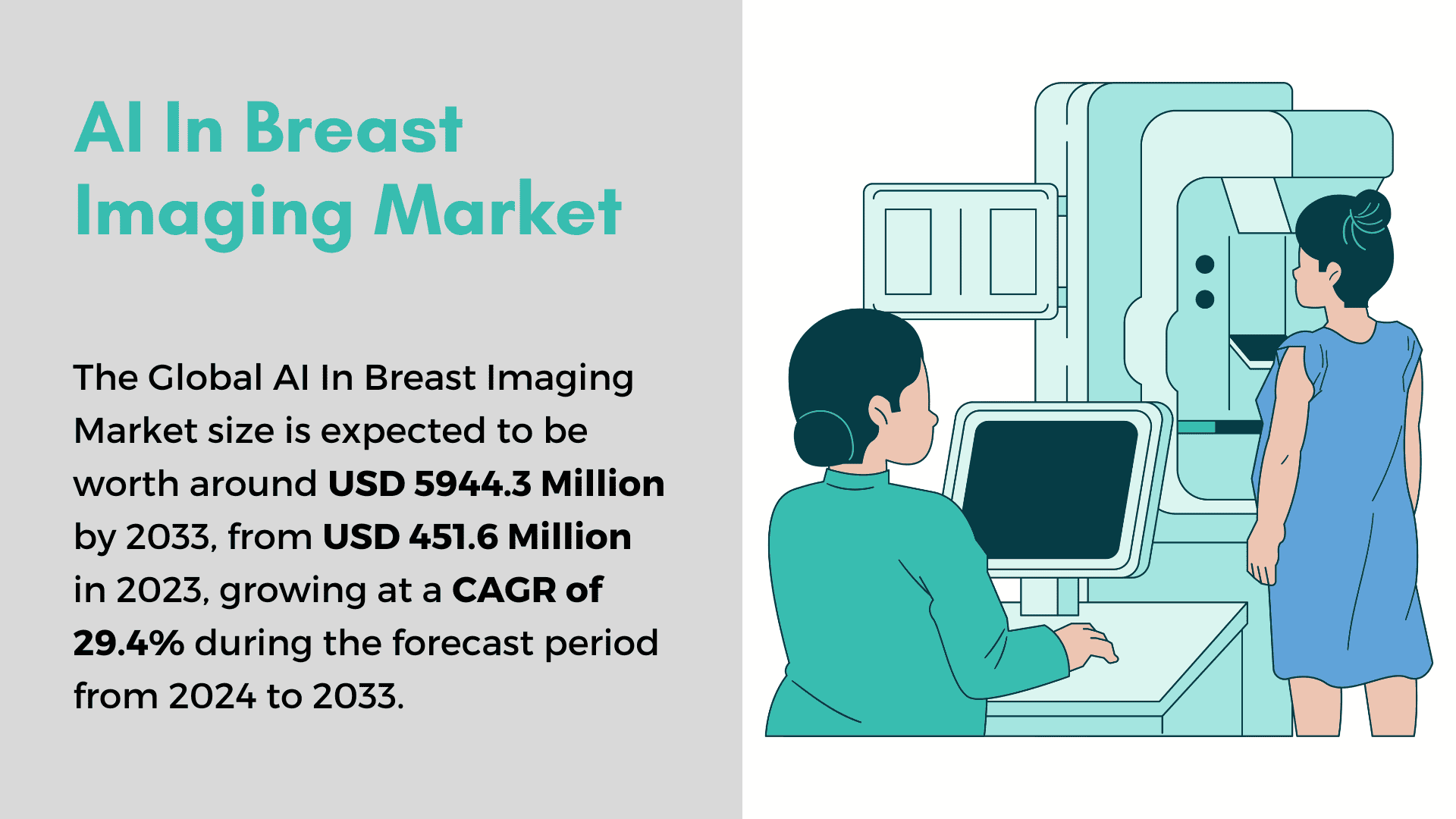
The global AI in breast imaging market is on a remarkable growth trajectory, projected to swell from USD 451.6 million in 2023 to an impressive USD 5944.3 million by 2033. This represents a compound annual growth rate (CAGR) of 29.4%, primarily driven by cutting-edge advancements in AI technologies that significantly enhance diagnostic accuracy, facilitate early detection, and boost healthcare efficiency.

Virtual Real Estate: Navigating Investments in Metaverse Platforms

Virtual real estate in metaverses is becoming a focal point for investors worldwide, with digital plots of land mirroring traditional real estate value based on location, size, and platform popularity.

The Transformative Power of AI in In-Vitro Diagnostics

Artificial intelligence (AI) and machine learning are at the forefront of revolutionizing in-vitro diagnostic (IVD) tools, redefining diagnostics and enhancing healthcare outcomes on multiple fronts.

The Future of Life Sciences: A Vision for 2030

As we edge closer to 2030, the life sciences industry stands on the threshold of transformative changes. With a global valuation exceeding $2 trillion, the sector is poised for significant growth, driven by technological advancements and an aging population.

Telehealth: A Boon for Patients, A Challenge for Rural Hospitals

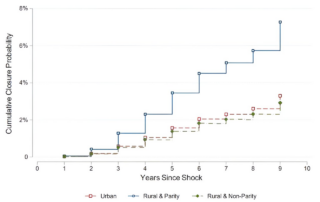
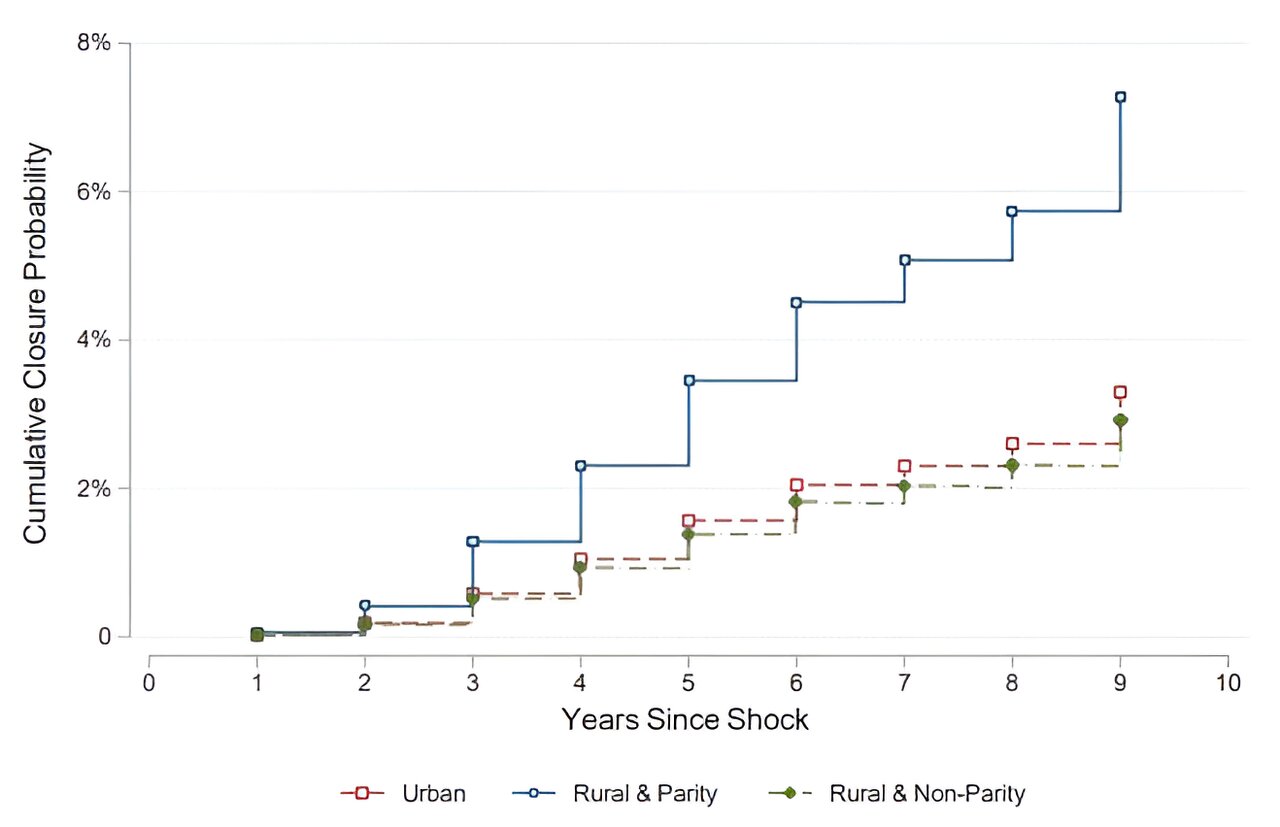
The advent of telehealth has revolutionized the way patients, particularly those in rural areas, access health care. By offering remote consultations and follow-up care, telehealth provides a convenient alternative to traveling long distances to urban hospitals. However, this technological advancement brings with it a set of challenges that could reshape the rural health care landscape.

By |December 20, 2024|Categories: Article, Health/Medicine, Technology|Tags: , |0 Comments