In a world where artificial intelligence is rapidly transforming industries, a new report by McKinsey & Company highlights a crucial gap between employee readiness and leadership hesitancy in adopting AI strategies. As companies navigate this technological evolution, the report titled “Superagency in the Workplace: Empowering People to Unlock AI’s Full Potential” sheds light on the transformative potential of AI and the pivotal role of leadership in steering its adoption.


The AI Readiness Gap

While the report reveals that employees are eager and prepared to integrate AI tools into their workflows, a mere 1 percent of organizations consider themselves mature in AI deployment. This disparity underscores the need for leaders to accelerate their AI adoption strategies, leveraging the enthusiasm and readiness of their workforce.


Leadership’s Role in AI Transformation

The report emphasizes that the biggest barrier to AI scaling is not the workforce but rather the leadership’s slow pace in steering AI initiatives. It calls for a strategic approach from leaders to harness AI’s potential, focusing on areas like employee training, AI safety, and organizational transformation.


Investments and Strategic Roadmaps

Despite the eagerness to invest in AI, the report notes that few organizations have reached maturity in their AI deployment. A clear strategic roadmap and leadership alignment are crucial to achieving AI success. The study draws on insights from Reid Hoffman’s book, Superagency: What Could Possibly Go Right with Our AI Future, to explore how companies can harness AI to amplify human agency and unlock new levels of creativity and productivity.


The Path Forward

As the AI landscape evolves, business leaders are urged to set bold AI commitments, meet employee needs with on-the-job training, and embrace human-centric development. The goal is to transform AI from a productivity enhancer into a transformative superpower that increases human agency and drives systemic change.


For more details, you can download the full report here.

More Articles

Getting licensed or staying ahead in your career can be a journey—but it doesn’t have to be overwhelming. Grab your favorite coffee or tea, take a moment to relax, and browse through our articles. Whether you’re just starting out or renewing your expertise, we’ve got tips, insights, and advice to keep you moving forward. Here’s to your success—one sip and one step at a time!

Artificial Intelligence in Diagnostics: A Revolution in Healthcare

The global market for artificial intelligence in diagnostics is poised for remarkable growth, with projections estimating it to reach USD 7.3 billion by 2032.

By |December 10, 2024|Categories: Article, Artificial Intelligence, Healthcare|Tags: , |0 Comments

Revolutionizing Medical Education with Extended Reality

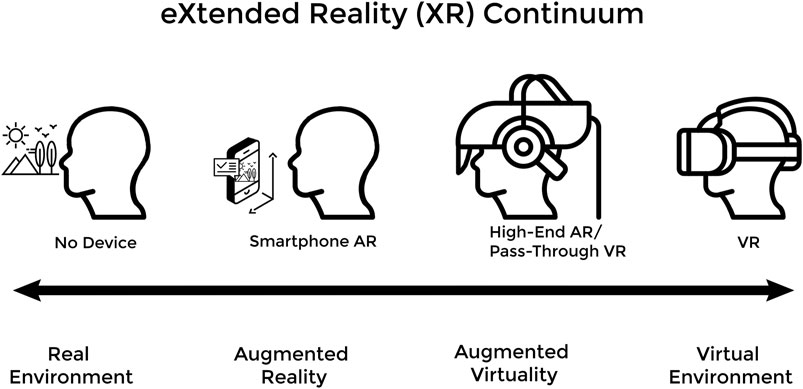
In the ever-evolving landscape of medical education, a new player has emerged, promising to revolutionize the way future doctors are trained. The integration of eXtended Reality (XR) technologies is reshaping the educational landscape by addressing the limitations of traditional methods.

Genetic Testing: A New Dawn in Healthcare

Genetic testing represents more than just a scientific advancement; it signifies a fundamental shift in how we approach health and wellness.

Sustainable Architecture: Blending Innovation with Ecological Responsibility

The journey toward sustainable architecture is ongoing, with each project serving as a beacon of what's achievable when creativity meets ecological awareness.

By |December 9, 2024|Categories: Architecture, Article, Sustainability|Tags: |0 Comments

AI in Clinical and Molecular Diagnostics: A Market on the Rise

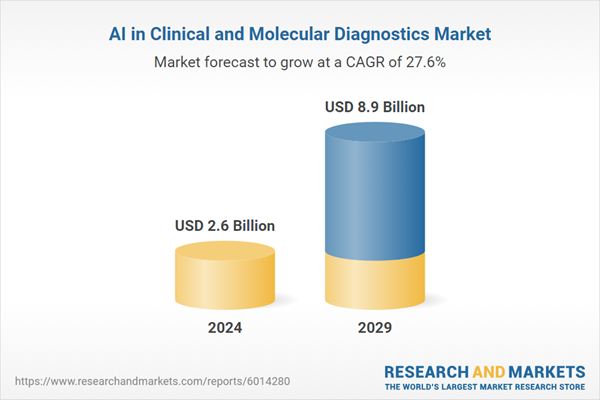
AI in Clinical and Molecular Diagnostics Market is set to experience remarkable growth, projected to surge from USD 2.6 billion in 2024 to USD 8.9 billion by 2029. This growth is driven by the integration of advanced AI technologies such as machine learning and deep learning into traditional diagnostic methodologies like imaging, genomics, and laboratory testing.

AI: A Revolution in Healthcare’s Future

AI is not a distant dream but a present reality, already integrated into everyday life through virtual assistants like Alexa and Siri. AI shows promise in enhancing medical accuracy, such as in predicting mesothelioma survival and improving colonoscopy accuracy, it is not intended to replace healthcare professionals.