In a world where artificial intelligence is rapidly transforming industries, a new report by McKinsey & Company highlights a crucial gap between employee readiness and leadership hesitancy in adopting AI strategies. As companies navigate this technological evolution, the report titled “Superagency in the Workplace: Empowering People to Unlock AI’s Full Potential” sheds light on the transformative potential of AI and the pivotal role of leadership in steering its adoption.


The AI Readiness Gap

While the report reveals that employees are eager and prepared to integrate AI tools into their workflows, a mere 1 percent of organizations consider themselves mature in AI deployment. This disparity underscores the need for leaders to accelerate their AI adoption strategies, leveraging the enthusiasm and readiness of their workforce.


Leadership’s Role in AI Transformation

The report emphasizes that the biggest barrier to AI scaling is not the workforce but rather the leadership’s slow pace in steering AI initiatives. It calls for a strategic approach from leaders to harness AI’s potential, focusing on areas like employee training, AI safety, and organizational transformation.


Investments and Strategic Roadmaps

Despite the eagerness to invest in AI, the report notes that few organizations have reached maturity in their AI deployment. A clear strategic roadmap and leadership alignment are crucial to achieving AI success. The study draws on insights from Reid Hoffman’s book, Superagency: What Could Possibly Go Right with Our AI Future, to explore how companies can harness AI to amplify human agency and unlock new levels of creativity and productivity.


The Path Forward

As the AI landscape evolves, business leaders are urged to set bold AI commitments, meet employee needs with on-the-job training, and embrace human-centric development. The goal is to transform AI from a productivity enhancer into a transformative superpower that increases human agency and drives systemic change.


For more details, you can download the full report here.

More Articles

Getting licensed or staying ahead in your career can be a journey—but it doesn’t have to be overwhelming. Grab your favorite coffee or tea, take a moment to relax, and browse through our articles. Whether you’re just starting out or renewing your expertise, we’ve got tips, insights, and advice to keep you moving forward. Here’s to your success—one sip and one step at a time!

Gene Editing: A Promising Frontier in Biotechnology

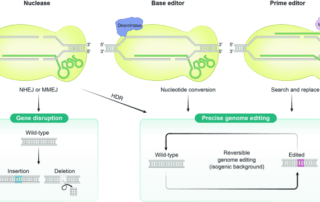
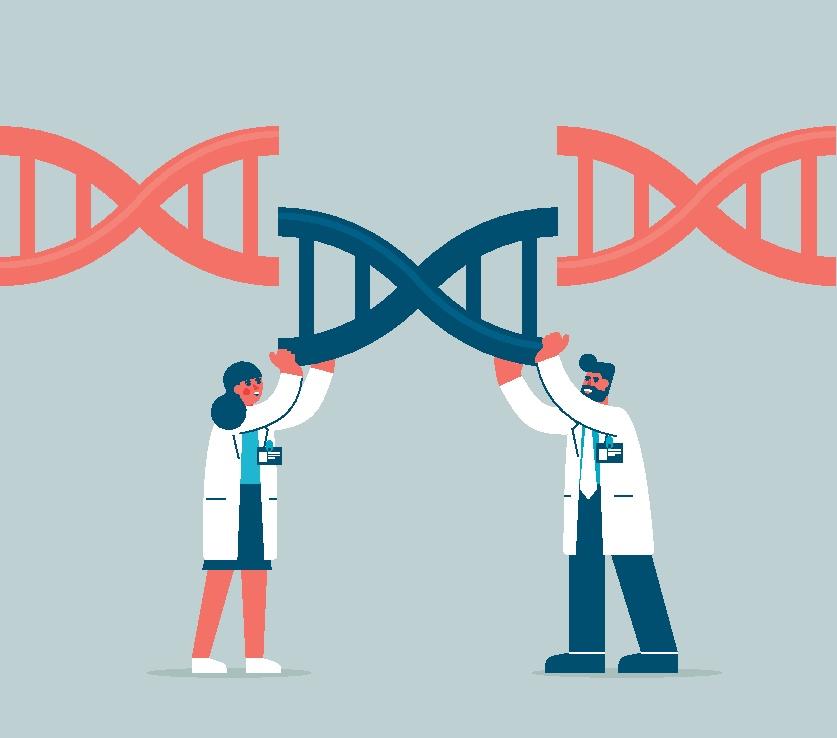
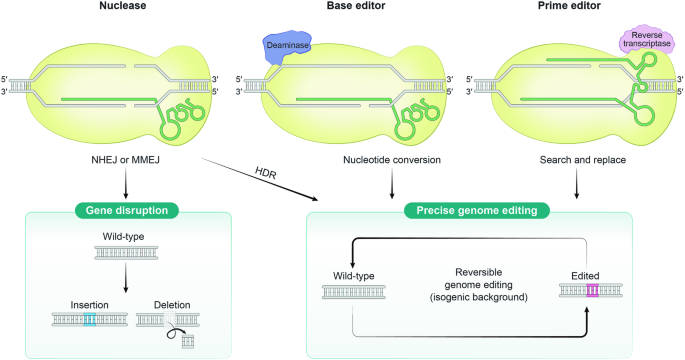
Gene editing technology is swiftly emerging as a transformative force in both healthcare and agriculture, particularly through tools like CRISPR-Cas9, which offer precise methods to modify genes and promise to revolutionize treatment for genetic disorders, cancer, and infectious diseases.

Empowering the Gig Economy: AXA’s Tailored Protection

Angela Wong, Chief Marketing and Customer Officer at AXA Hong Kong & Macau, underscores the critical need for comprehensive insurance solutions for gig workers.

By |November 24, 2024|Categories: Article, Business, Insurance|Tags: , |0 Comments

Ethical Deployment of AI in Healthcare: AMA’s Guiding Strategies

The AMA highlights that AI's integration must be guided by the fundamental principles of medical ethics: patient autonomy, beneficence, nonmaleficence, and justice.

By |November 24, 2024|Categories: Article, Healthcare, Technology Ethics|Tags: , |0 Comments

AI’s Role in Revolutionizing Medical Education

AI, which simulates human intelligence, is reshaping various sectors, particularly healthcare. The ability to perform complex tasks, such as diagnostics and personalized healthcare, is no longer confined to human capabilities alone.

By |November 23, 2024|Categories: Article, Education, Technology|Tags: , |0 Comments

AI Chatbots in Chronic Disease Diagnosis

A recent study published in Nature on July 25, 2024, unveils a cutting-edge chatbot named Chat Ella, designed to assist in the diagnosis of chronic diseases.

Revolutionizing Genetic Research with CRISPR-Cas Technology

CRISPR-Cas technology is not just a tool but a gateway to understanding the genetic influences on diseases.