Bridging the Digital Divide in Rural Healthcare
According to the World Health Organization (WHO), around two billion individuals residing in rural and remote areas worldwide lack sufficient healthcare access. A major contributor to this issue is inadequate broadband access, which severely limits the effectiveness of telehealth services. This digital divide hinders healthcare delivery and intensifies existing health disparities, preventing rural populations from fully benefiting from video-based telehealth consultations, remote monitoring, and other bandwidth-intensive applications.
Additionally, the shortage of healthcare professionals in rural communities is alarming. Although half of the global population resides in rural regions, these areas are served by only 38% of the total nursing workforce and an even smaller percentage of physicians. Many rural inhabitants also face the challenge of traveling long distances for specialty care, leading to delayed care and unfavorable health outcomes.
The Promise of Telehealth
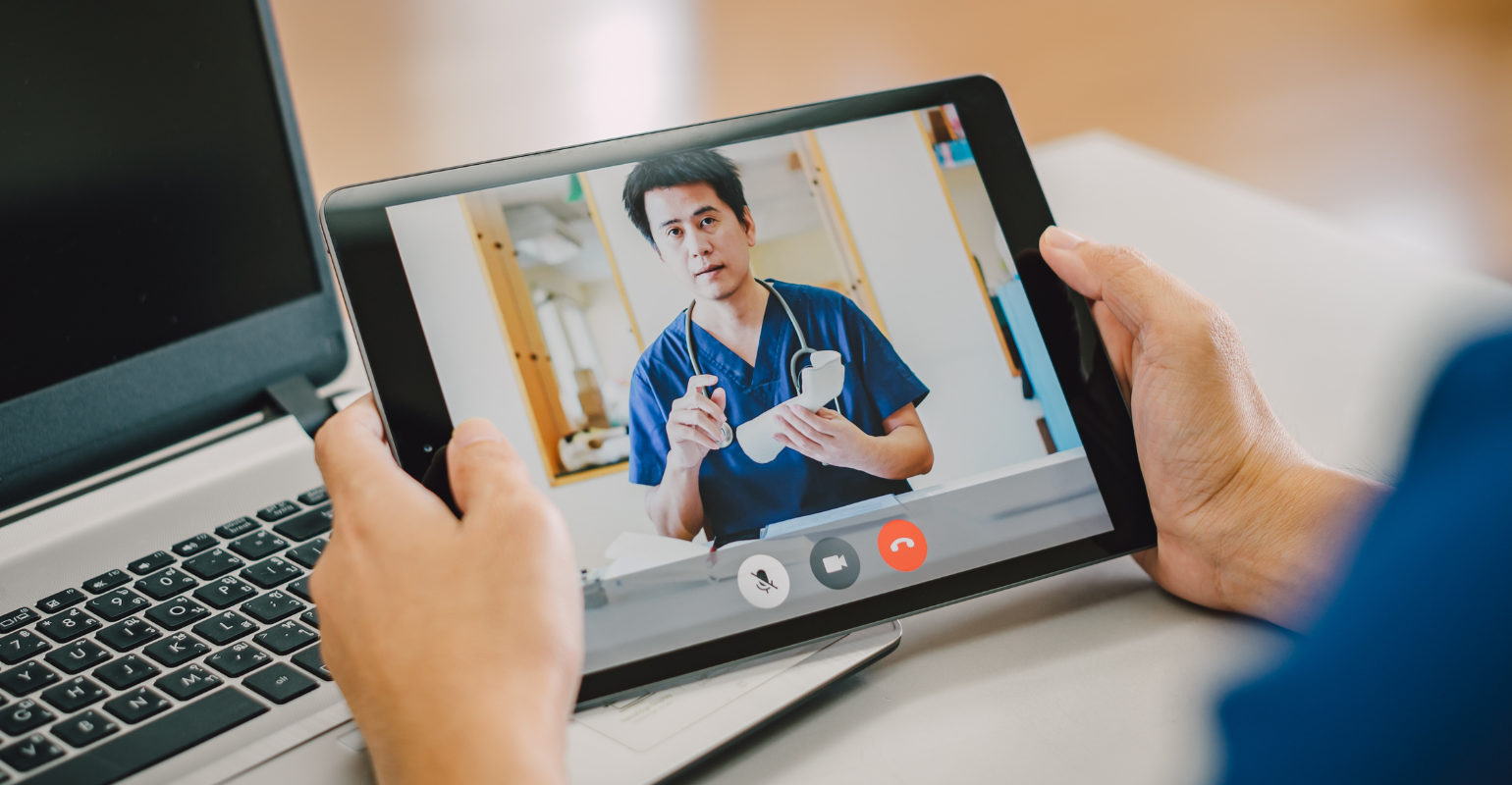
Telehealth presents a promising solution by expanding access to healthcare services. Technological advancements have improved telehealth platform integration with medical devices and electronic medical records (EMRs), making these services more user-friendly and accessible. Scalable solutions that provide diverse healthcare services on a single platform can address multiple specialties.
Understanding the Rural Healthcare Landscape: Rural communities, comprising over 40% of the global population, face higher chronic disease rates as reported in 2023 by the Centers for Disease Control and Prevention (CDC). These areas suffer from inadequate access to both primary and specialty care, with critical health facilities becoming scarce.
Challenges for Rural Healthcare Executives
Rural healthcare executives list workforce shortages, financial constraints, and limited specialty care access as primary challenges, underlining the urgent need for innovative solutions like telehealth.
Telehealth’s Role in Addressing Challenges
Telehealth optimizes healthcare delivery, closing care gaps through systems like Health Information Technology (HIT) in the US, Pakistan’s COMSATS Telehealth program, and Kenya’s mHealth initiative. These examples demonstrate telehealth’s impact on local healthcare services by reducing costs and travel needs.
Best Practices for Telehealth Implementation
- To succeed, telehealth programs must incorporate thorough needs assessments, select appropriate platforms, and provide comprehensive training. These steps ensure effective solutions for rural healthcare challenges, should involve stakeholders for selecting the platform, and require ongoing technical support for healthcare providers.
Strategic Considerations
Effective telehealth integration requires financial assessments, adherence to regulatory and compliance standards, and robust technology infrastructure. Cost-benefit analyses, such as studies from Australia and Canada showing telehealth savings, emphasize telehealth’s financial viability. Ensuring compliance and robust connectivity infrastructures, like mobile hotspots, further support successful implementation.
The Future of Telehealth in Rural Healthcare
Effective telehealth adoption in rural settings relies on careful planning, stakeholder engagement, and continuous support to improve access, patient outcomes, and reduce costs. C-suite executives play a key role in driving adoption and ensuring high-quality rural healthcare. Embracing telehealth promises a future where healthcare services are equitable and accessible, bridging urban and rural disparities globally.
For a more detailed exploration, visit the original article on Omnia Health Insights.