Bridging the Digital Divide in Rural Healthcare

According to the World Health Organization (WHO), around two billion individuals residing in rural and remote areas worldwide lack sufficient healthcare access. A major contributor to this issue is inadequate broadband access, which severely limits the effectiveness of telehealth services. This digital divide hinders healthcare delivery and intensifies existing health disparities, preventing rural populations from fully benefiting from video-based telehealth consultations, remote monitoring, and other bandwidth-intensive applications.

Additionally, the shortage of healthcare professionals in rural communities is alarming. Although half of the global population resides in rural regions, these areas are served by only 38% of the total nursing workforce and an even smaller percentage of physicians. Many rural inhabitants also face the challenge of traveling long distances for specialty care, leading to delayed care and unfavorable health outcomes.

The Promise of Telehealth

Telehealth presents a promising solution by expanding access to healthcare services. Technological advancements have improved telehealth platform integration with medical devices and electronic medical records (EMRs), making these services more user-friendly and accessible. Scalable solutions that provide diverse healthcare services on a single platform can address multiple specialties.

Understanding the Rural Healthcare Landscape: Rural communities, comprising over 40% of the global population, face higher chronic disease rates as reported in 2023 by the Centers for Disease Control and Prevention (CDC). These areas suffer from inadequate access to both primary and specialty care, with critical health facilities becoming scarce.

Challenges for Rural Healthcare Executives

Rural healthcare executives list workforce shortages, financial constraints, and limited specialty care access as primary challenges, underlining the urgent need for innovative solutions like telehealth.

Telehealth’s Role in Addressing Challenges

Telehealth optimizes healthcare delivery, closing care gaps through systems like Health Information Technology (HIT) in the US, Pakistan’s COMSATS Telehealth program, and Kenya’s mHealth initiative. These examples demonstrate telehealth’s impact on local healthcare services by reducing costs and travel needs.

Best Practices for Telehealth Implementation

  • To succeed, telehealth programs must incorporate thorough needs assessments, select appropriate platforms, and provide comprehensive training. These steps ensure effective solutions for rural healthcare challenges, should involve stakeholders for selecting the platform, and require ongoing technical support for healthcare providers.

Strategic Considerations

Effective telehealth integration requires financial assessments, adherence to regulatory and compliance standards, and robust technology infrastructure. Cost-benefit analyses, such as studies from Australia and Canada showing telehealth savings, emphasize telehealth’s financial viability. Ensuring compliance and robust connectivity infrastructures, like mobile hotspots, further support successful implementation.

The Future of Telehealth in Rural Healthcare

Effective telehealth adoption in rural settings relies on careful planning, stakeholder engagement, and continuous support to improve access, patient outcomes, and reduce costs. C-suite executives play a key role in driving adoption and ensuring high-quality rural healthcare. Embracing telehealth promises a future where healthcare services are equitable and accessible, bridging urban and rural disparities globally.

For a more detailed exploration, visit the original article on Omnia Health Insights.

More Articles

Getting licensed or staying ahead in your career can be a journey—but it doesn’t have to be overwhelming. Grab your favorite coffee or tea, take a moment to relax, and browse through our articles. Whether you’re just starting out or renewing your expertise, we’ve got tips, insights, and advice to keep you moving forward. Here’s to your success—one sip and one step at a time!

How Post‑Election Power Shifts Are Setting Up a New Real Estate Landscape for 2026

Local elections across major U.S. cities have kicked off a wave of policy changes that could reshape development costs, rental income, and investment strategies heading into 2026. From NYC’s aggressive tenant‑protection agenda to Chicago’s sustainability push, Miami’s political uncertainty, and Boston’s steady zoning overhaul, the post‑election environment is redefining how real estate professionals, investors, and lenders should prepare for the year ahead.

The Surge of AI Insurance Exclusions Reshaping Professional Liability in 2025

Insurance carriers are rapidly rolling out AI-related exclusions that strip coverage from claims involving AI tools, automated decision‑making, or generative platforms like ChatGPT and Midjourney. With firms like Berkley and Hamilton introducing sweeping “absolute” and generative‑AI‑specific exclusions, professionals in real estate, mortgage, insurance, and finance now face new liability gaps. As AI becomes unavoidable in everyday work, understanding these exclusions is essential for protecting your career and staying compliant in a fast‑changing risk environment.

Venn Lands $52M to Rebuild the Renting Experience — A Shift Real Estate Pros Can’t Ignore

Proptech startup Venn has raised a $52 million Series B to unify the entire renting lifecycle into one intelligent platform, replacing over a dozen traditional systems and serving more than half a million tenants. As AI‑powered tools like Venn rapidly reshape property operations, real estate professionals — especially in fast‑moving markets like Florida — will need stronger education and tech‑savvy skills to stay competitive.

Rising Insurance Costs Push Florida’s Middle Class to the Brink

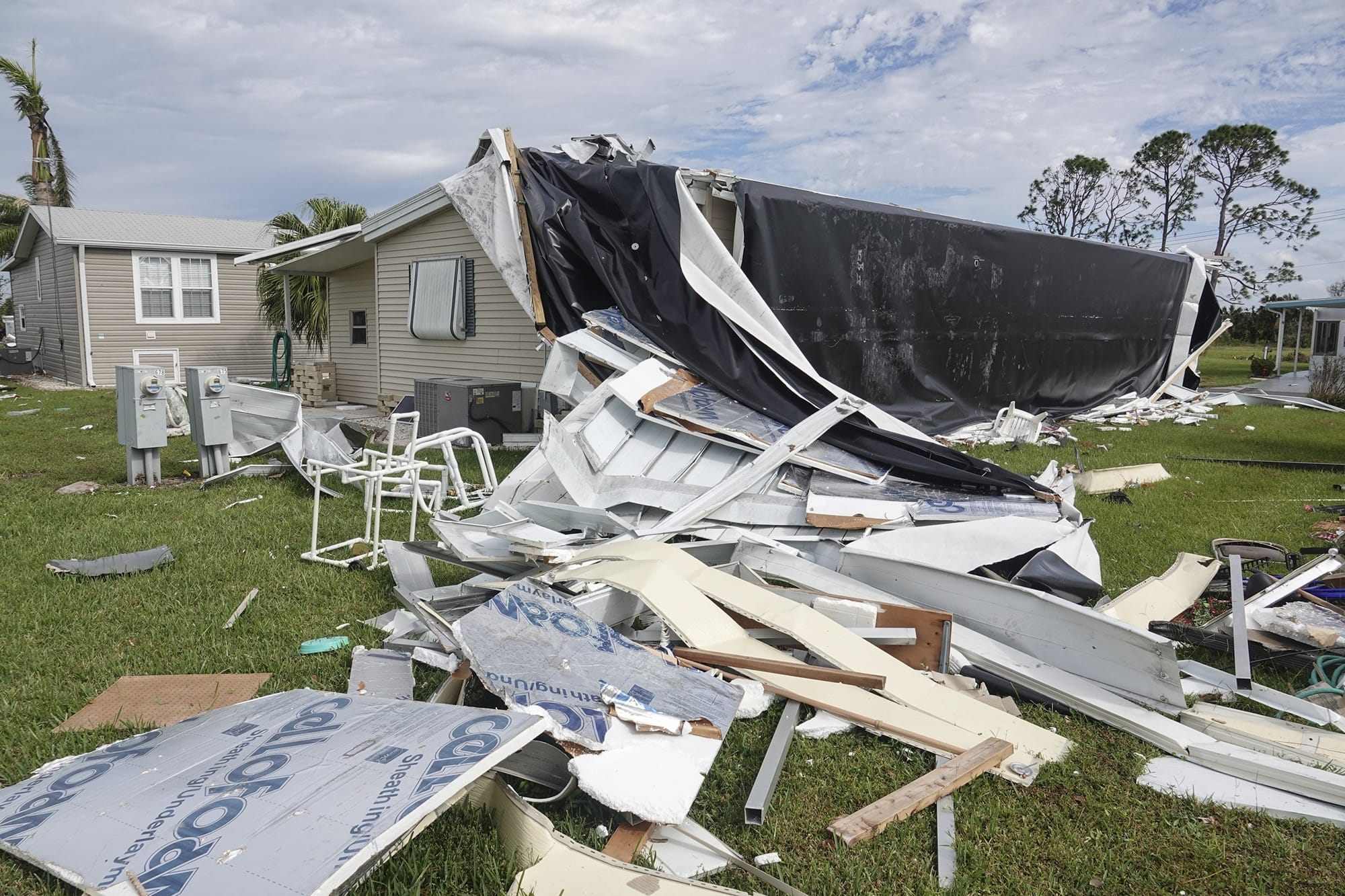
Florida’s Gulf Coast is undergoing a dramatic transformation as soaring insurance premiums, costly construction requirements, and the long shadow of Hurricane Ian force middle‑class families, workers, and longtime residents out of communities they once anchored. With premiums topping $5,700 a year — and many paying far more — Realtors warn of looming foreclosures, renters face steep increases, and entire neighborhoods are being rebuilt for wealthier newcomers. This mounting crisis is reshaping the state’s real estate landscape and leaving professionals scrambling to adapt.

Top Commercial Real Estate Issues to Watch in 2026

Economic uncertainty, rapid tech advances and shifting population patterns are setting the stage for a pivotal year in commercial real estate. New findings from the Counselors of Real Estate, presented at NAR NXT, outline ten major forces reshaping strategy, investment and opportunity in 2026—from policy impacts and portfolio risk to AI adoption, capital flow changes, housing attainability and demographic shifts. This outlook offers clarity and caution for professionals across real estate, mortgage, finance and related fields.

New Reforms, Familiar Risks: Why Florida’s Home Insurance Market Still Isn’t Stabilizing

Florida’s home insurance crisis is back in the spotlight as new reforms appear to be repeating decades‑old mistakes. Despite efforts to depopulate Citizens and attract private insurers, many of the companies taking over policies have ties to past insolvencies. Critics say weak oversight, generous ratings, and political influence are allowing unstable insurers to thrive while homeowners pay more for less protection. Experts warn that without transparent ratings, real accountability, and unified regulation, Florida’s insurance market will remain vulnerable—putting property values, lending, and the broader real estate industry at risk.