Bridging the Digital Divide in Rural Healthcare

According to the World Health Organization (WHO), around two billion individuals residing in rural and remote areas worldwide lack sufficient healthcare access. A major contributor to this issue is inadequate broadband access, which severely limits the effectiveness of telehealth services. This digital divide hinders healthcare delivery and intensifies existing health disparities, preventing rural populations from fully benefiting from video-based telehealth consultations, remote monitoring, and other bandwidth-intensive applications.

Additionally, the shortage of healthcare professionals in rural communities is alarming. Although half of the global population resides in rural regions, these areas are served by only 38% of the total nursing workforce and an even smaller percentage of physicians. Many rural inhabitants also face the challenge of traveling long distances for specialty care, leading to delayed care and unfavorable health outcomes.

The Promise of Telehealth

Telehealth presents a promising solution by expanding access to healthcare services. Technological advancements have improved telehealth platform integration with medical devices and electronic medical records (EMRs), making these services more user-friendly and accessible. Scalable solutions that provide diverse healthcare services on a single platform can address multiple specialties.

Understanding the Rural Healthcare Landscape: Rural communities, comprising over 40% of the global population, face higher chronic disease rates as reported in 2023 by the Centers for Disease Control and Prevention (CDC). These areas suffer from inadequate access to both primary and specialty care, with critical health facilities becoming scarce.

Challenges for Rural Healthcare Executives

Rural healthcare executives list workforce shortages, financial constraints, and limited specialty care access as primary challenges, underlining the urgent need for innovative solutions like telehealth.

Telehealth’s Role in Addressing Challenges

Telehealth optimizes healthcare delivery, closing care gaps through systems like Health Information Technology (HIT) in the US, Pakistan’s COMSATS Telehealth program, and Kenya’s mHealth initiative. These examples demonstrate telehealth’s impact on local healthcare services by reducing costs and travel needs.

Best Practices for Telehealth Implementation

  • To succeed, telehealth programs must incorporate thorough needs assessments, select appropriate platforms, and provide comprehensive training. These steps ensure effective solutions for rural healthcare challenges, should involve stakeholders for selecting the platform, and require ongoing technical support for healthcare providers.

Strategic Considerations

Effective telehealth integration requires financial assessments, adherence to regulatory and compliance standards, and robust technology infrastructure. Cost-benefit analyses, such as studies from Australia and Canada showing telehealth savings, emphasize telehealth’s financial viability. Ensuring compliance and robust connectivity infrastructures, like mobile hotspots, further support successful implementation.

The Future of Telehealth in Rural Healthcare

Effective telehealth adoption in rural settings relies on careful planning, stakeholder engagement, and continuous support to improve access, patient outcomes, and reduce costs. C-suite executives play a key role in driving adoption and ensuring high-quality rural healthcare. Embracing telehealth promises a future where healthcare services are equitable and accessible, bridging urban and rural disparities globally.

For a more detailed exploration, visit the original article on Omnia Health Insights.

More Articles

Getting licensed or staying ahead in your career can be a journey—but it doesn’t have to be overwhelming. Grab your favorite coffee or tea, take a moment to relax, and browse through our articles. Whether you’re just starting out or renewing your expertise, we’ve got tips, insights, and advice to keep you moving forward. Here’s to your success—one sip and one step at a time!

Florida’s Insurance Market Meltdown: Why New Reforms Are Repeating Old Mistakes

Florida’s property insurance system is once again spiraling as new “market-friendly” reforms fail to stabilize rising premiums, insurer failures, and mounting homeowner frustration. Despite aggressive efforts to shift policyholders from Citizens to private carriers, many of the new insurers stepping in are tied to past insolvencies, questionable ratings, and political influence. For real estate, mortgage, and insurance professionals, these systemic cracks are reshaping closings, valuations, and risk across the state—making it essential to stay ahead of ongoing regulatory and market shifts.

Top 2026 Commercial Real Estate Issues: The Trends Professionals Must Watch

Commercial real estate is heading into a turning‑point year in 2026, driven by economic uncertainty, AI‑powered transformation, shifting demographics and rising portfolio risk. Insights from The Counselors of Real Estate highlight the top issues shaping the year ahead—from fiscal pressures and capital constraints to housing shortages, global volatility and the future of data‑driven decision‑making. For real estate, mortgage, insurance and finance professionals, these trends offer a clear roadmap for staying competitive and preparing for the next wave of industry change.

The Tech Wave Transforming Real Estate in 2025

AI-powered tools, fraud protection systems, and smarter MLS integrations are sweeping through the real estate industry as major organizations adopt new technologies. From RealReports hitting its 50th partnership to BeachesMLS unveiling instant AI home visualizations and Doorify boosting security, professionals are seeing rapid advancements that promise sharper insights, safer transactions, and more efficient rental workflows. This evolving tech landscape underscores the importance of staying educated and adaptable — especially for agents preparing for a competitive, AI-enhanced 2025 market.

Florida’s Insurance Crisis Deepens as Premiums Soar and Claims Go Unpaid

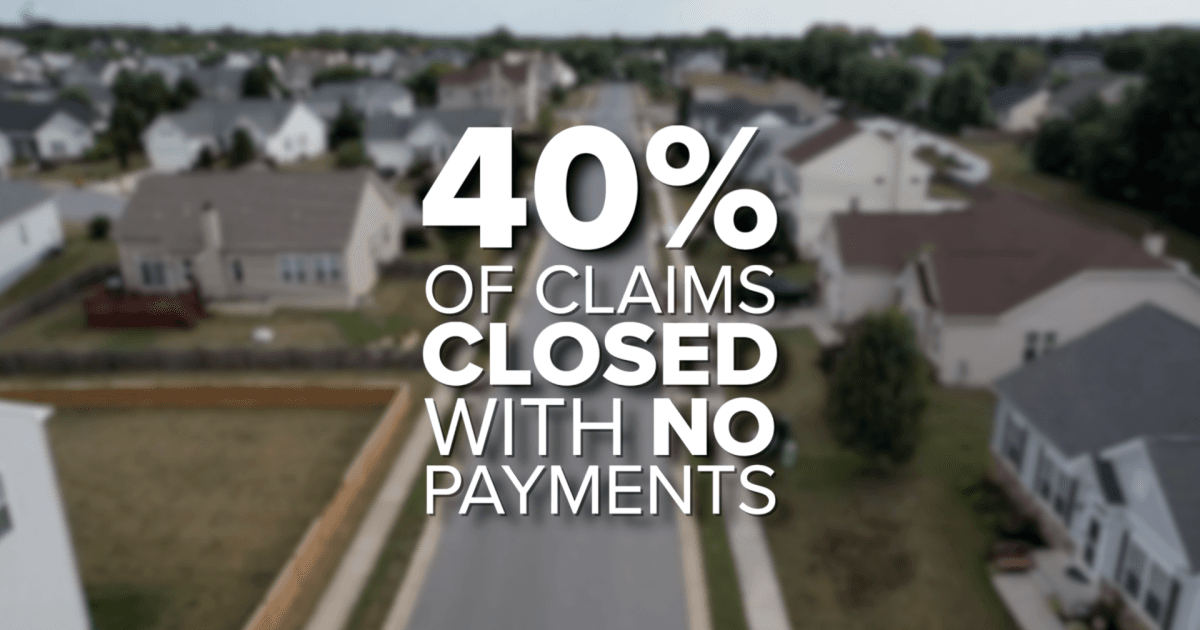
Florida homeowners are being hit with the highest insurance premiums in the nation, averaging $5,838 per year—nearly double the U.S. average. As costs skyrocket, many residents are reporting denied claims, non‑renewals, and impossible financial choices. New investigations reveal that more than 40 percent of claims in Florida close with no payment, while lawmakers push for transparency, fair pricing, and meaningful reform to stabilize a market that’s rapidly becoming unsustainable.

AI-Powered Parking Startup Vend Park Secures $17.5M to Transform a Forgotten Real Estate Asset

Vend Park, a Boston-based proptech company, has raised $17.5 million in Series A funding to reinvent parking as a high-performing commercial real estate asset. By replacing outdated operator–vendor systems with a unified AI-driven platform, Vend Park is helping major property owners boost NOI by up to 30%, slash operating costs, and modernize the tenant experience. As the company expands from three to fifteen cities and partners with giants like Nuveen and Jamestown, its technology highlights a major shift: real estate professionals must now understand AI, automation, and digital infrastructure to stay competitive.

Keller Williams Atlanta Partners Teams Up with Southeast Mortgage in a Major Georgia Market Shake‑Up

Keller Williams Realty Atlanta Partners has formed an exclusive partnership with Southeast Mortgage, Georgia’s largest non‑bank mortgage lender. The collaboration promises faster, tech‑enhanced transactions for both agents and homebuyers, combining real estate expertise with streamlined mortgage services. This move reflects a growing trend toward integrated real‑estate ecosystems designed to reduce delays, boost transparency, and modernize the homebuying experience.