Bridging the Healthcare Gap in Rural Areas with Telehealth


According to the World Health Organization (WHO), nearly two billion people in rural and remote areas worldwide lack access to essential healthcare solutions. This staggering statistic highlights a critical issue: the digital divide that limits telehealth services, primarily due to inadequate broadband access. The repercussions are significant, exacerbating existing health disparities and hindering healthcare delivery.


Rural areas face another daunting challenge: a severe shortage of healthcare professionals. Despite housing over 40% of the global population, these regions are served by only 38% of the nursing workforce and less than a quarter of the physician workforce. This imbalance forces many rural inhabitants to travel long distances for specialty care, often resulting in delayed treatment and poorer health outcomes.


The Promise of Telehealth


Telehealth offers a beacon of hope in bridging these gaps. Technological advancements have significantly improved telehealth platforms, integrating seamlessly with medical devices and electronic medical records (EMRs). These innovations make telehealth more user-friendly and accessible, providing scalable solutions that cater to multiple specialties.


Rural communities, which often report higher rates of chronic diseases like cancer, diabetes, and heart disease, stand to benefit immensely from telehealth. The Centers for Disease Control and Prevention (CDC) noted in 2023 that these areas struggle with limited access to both primary and specialty care. Telehealth can mitigate these challenges by offering e-visits and virtual consultations, reducing the need for lengthy travel to access medical services.


Innovative programs worldwide illustrate telehealth’s potential. For instance, Pakistan’s COMSATS Telehealth and Africa’s mHealth Kenya initiatives have successfully connected remote patients with healthcare providers, demonstrating the effectiveness of telehealth in overcoming geographical barriers.


Strategic Implementation


Successfully implementing telehealth in rural areas requires a strategic approach. A comprehensive needs assessment is critical to understand the specific healthcare needs of these communities. Selecting the right telehealth platform, which offers interoperability and scalability, is equally important. Comprehensive training and ongoing support for healthcare providers ensure effective adoption of these technologies.


Financial considerations, regulatory compliance, and infrastructure development are also crucial. A cost-benefit analysis can elucidate telehealth’s financial impact, while understanding and adhering to regulatory requirements maintain trust and credibility. Reliable broadband connectivity is essential, and innovative solutions like mobile hotspots and satellite internet can help overcome connectivity barriers.


Embracing the Future


Embracing telehealth in rural healthcare settings involves collaboration and continuous improvement to address existing challenges. The goal is to make healthcare more accessible and equitable, reducing the disparity between urban and rural healthcare outcomes. With the involvement of C-suite executives, telehealth can ensure high-quality care delivery to rural communities, ultimately enhancing patient outcomes and reducing costs.


For more insights, visit the original article on Omnia Health Insights.


More Articles

Getting licensed or staying ahead in your career can be a journey—but it doesn’t have to be overwhelming. Grab your favorite coffee or tea, take a moment to relax, and browse through our articles. Whether you’re just starting out or renewing your expertise, we’ve got tips, insights, and advice to keep you moving forward. Here’s to your success—one sip and one step at a time!

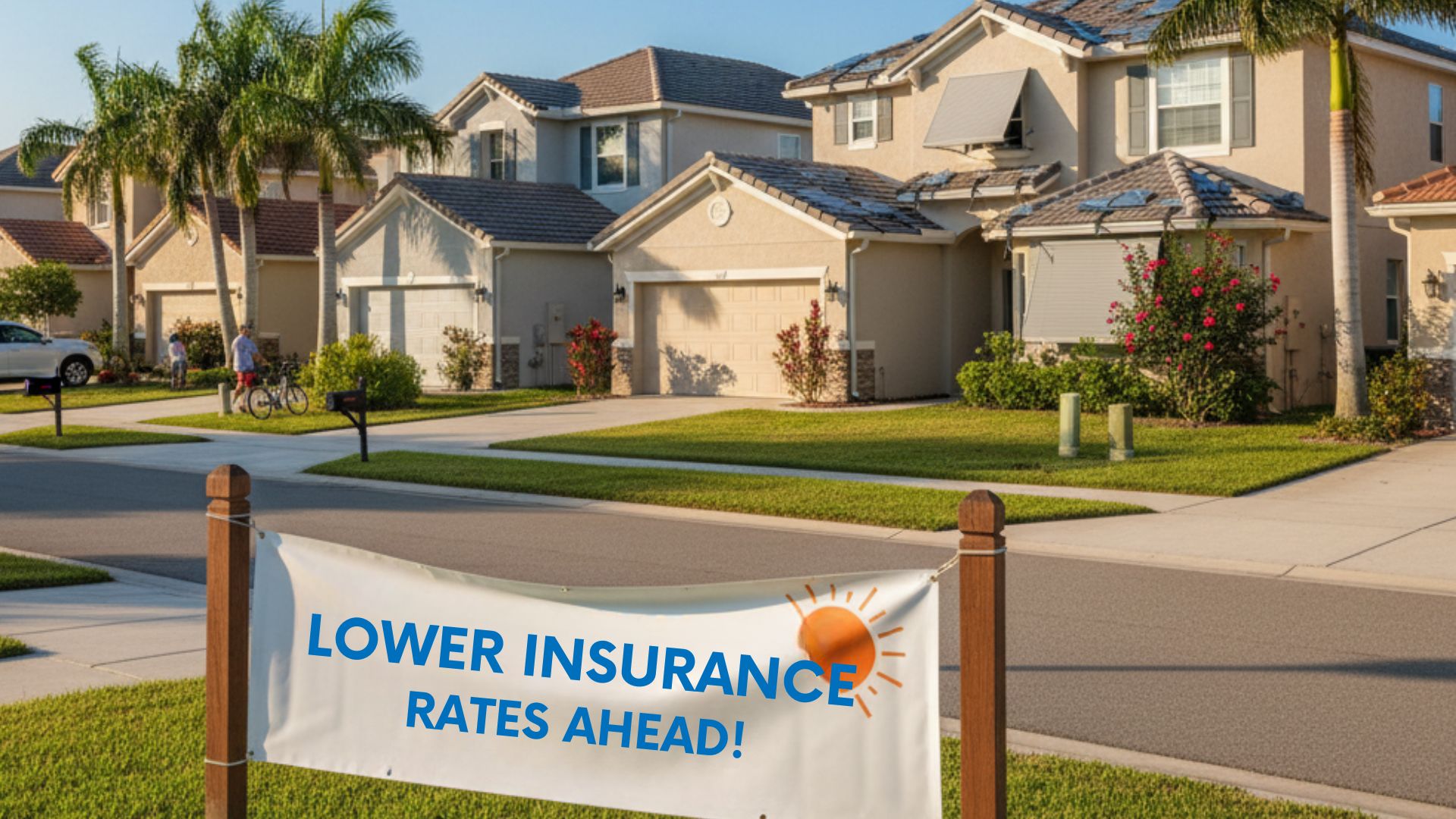
Florida Homeowners See Major Spring Insurance Savings as Market Finally Stabilizes

Florida homeowners are getting long‑awaited relief this spring as insurance premiums drop across the state, with some counties seeing reductions of up to 14 percent. After years of skyrocketing rates and insurer withdrawals, a series of legislative reforms has attracted new companies, reduced lawsuits, and restored competition—leading to lower costs for more than 330,000 Citizens policyholders and multiple private‑market rate cuts. This shift is boosting not only homeowners, but also Florida’s broader economy and real estate market, offering valuable insights for professionals in real estate, insurance, mortgage, and finance.

AI Listing Images Are Creating a New Trust Problem in Real Estate

Artificial intelligence has transformed real estate marketing by making it easy to generate polished, digitally enhanced listing photos. But as AI tools increasingly replace reality with idealized versions of homes, a new issue has emerged: housefishing. Buyers and renters are showing up to properties that look nothing like the online images, leading regulators to step in and require transparency. With laws like California’s newly enacted Assembly Bill 723, the industry is being pushed toward clearer labeling and ethical use of AI. As trust becomes a growing concern, real estate professionals must balance innovation with accuracy to stay compliant and credible.

Massachusetts Moves to Strengthen Fair Housing Training for Real Estate Agents

Massachusetts has unanimously advanced bill S.2947, a major push to curb housing discrimination by expanding fair housing education requirements for real estate agents. The proposal increases training hours for both current and future licensees and doubles penalties for violations, marking a significant shift toward stronger consumer protections and higher professional standards across the state’s housing market.

How Rising Energy Costs Are Quietly Reshaping the Hudson Valley Real Estate Market

Energy costs have moved from a background expense to a major force influencing affordability, property values, and development across the Hudson Valley. Aging housing stock, grid constraints, and rising utility bills are reshaping both residential and commercial real estate decisions—rewarding energy‑efficient properties and pressuring households already struggling to balance essential expenses.

How AI Is Becoming the New Power Tool for Real Estate Professionals

AI is transforming the daily workflow of real estate pros by speeding up marketing, simplifying client communication, and sharpening pricing strategies. As highlighted in an NBC 6 feature, agents are using AI to draft listing descriptions, generate social media content, organize inquiries, and analyze market data in minutes. Whether you're new to the industry or an experienced agent, AI is quickly becoming an essential tool for working smarter and staying competitive.

14-Hour CE Renewal for Florida Real Estate: Choose Your Learning Style