Bridging the Healthcare Gap in Rural Areas with Telehealth


According to the World Health Organization (WHO), nearly two billion people in rural and remote areas worldwide lack access to essential healthcare solutions. This staggering statistic highlights a critical issue: the digital divide that limits telehealth services, primarily due to inadequate broadband access. The repercussions are significant, exacerbating existing health disparities and hindering healthcare delivery.


Rural areas face another daunting challenge: a severe shortage of healthcare professionals. Despite housing over 40% of the global population, these regions are served by only 38% of the nursing workforce and less than a quarter of the physician workforce. This imbalance forces many rural inhabitants to travel long distances for specialty care, often resulting in delayed treatment and poorer health outcomes.


The Promise of Telehealth


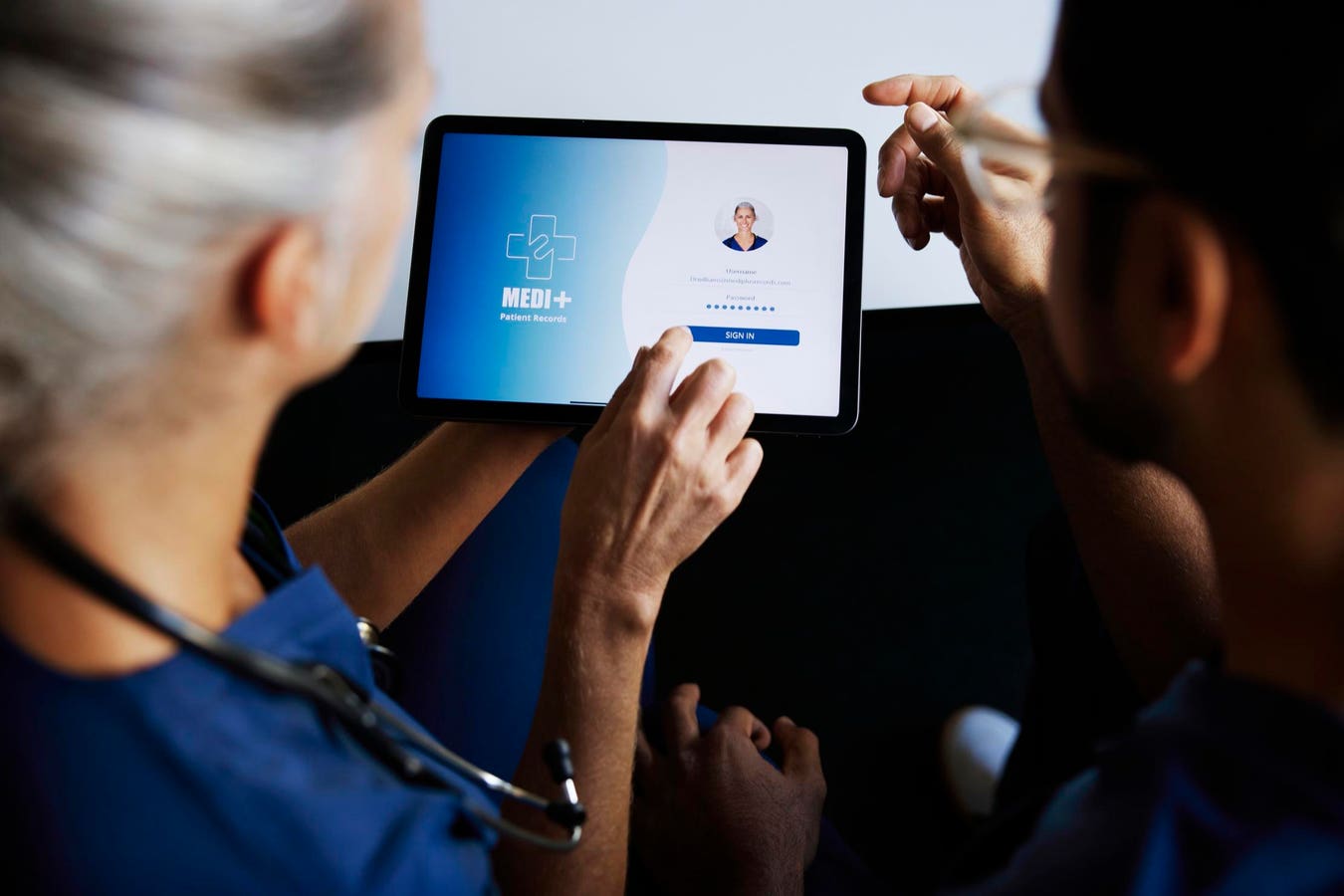
Telehealth offers a beacon of hope in bridging these gaps. Technological advancements have significantly improved telehealth platforms, integrating seamlessly with medical devices and electronic medical records (EMRs). These innovations make telehealth more user-friendly and accessible, providing scalable solutions that cater to multiple specialties.


Rural communities, which often report higher rates of chronic diseases like cancer, diabetes, and heart disease, stand to benefit immensely from telehealth. The Centers for Disease Control and Prevention (CDC) noted in 2023 that these areas struggle with limited access to both primary and specialty care. Telehealth can mitigate these challenges by offering e-visits and virtual consultations, reducing the need for lengthy travel to access medical services.


Innovative programs worldwide illustrate telehealth’s potential. For instance, Pakistan’s COMSATS Telehealth and Africa’s mHealth Kenya initiatives have successfully connected remote patients with healthcare providers, demonstrating the effectiveness of telehealth in overcoming geographical barriers.


Strategic Implementation


Successfully implementing telehealth in rural areas requires a strategic approach. A comprehensive needs assessment is critical to understand the specific healthcare needs of these communities. Selecting the right telehealth platform, which offers interoperability and scalability, is equally important. Comprehensive training and ongoing support for healthcare providers ensure effective adoption of these technologies.


Financial considerations, regulatory compliance, and infrastructure development are also crucial. A cost-benefit analysis can elucidate telehealth’s financial impact, while understanding and adhering to regulatory requirements maintain trust and credibility. Reliable broadband connectivity is essential, and innovative solutions like mobile hotspots and satellite internet can help overcome connectivity barriers.


Embracing the Future


Embracing telehealth in rural healthcare settings involves collaboration and continuous improvement to address existing challenges. The goal is to make healthcare more accessible and equitable, reducing the disparity between urban and rural healthcare outcomes. With the involvement of C-suite executives, telehealth can ensure high-quality care delivery to rural communities, ultimately enhancing patient outcomes and reducing costs.


For more insights, visit the original article on Omnia Health Insights.


More Articles

Getting licensed or staying ahead in your career can be a journey—but it doesn’t have to be overwhelming. Grab your favorite coffee or tea, take a moment to relax, and browse through our articles. Whether you’re just starting out or renewing your expertise, we’ve got tips, insights, and advice to keep you moving forward. Here’s to your success—one sip and one step at a time!

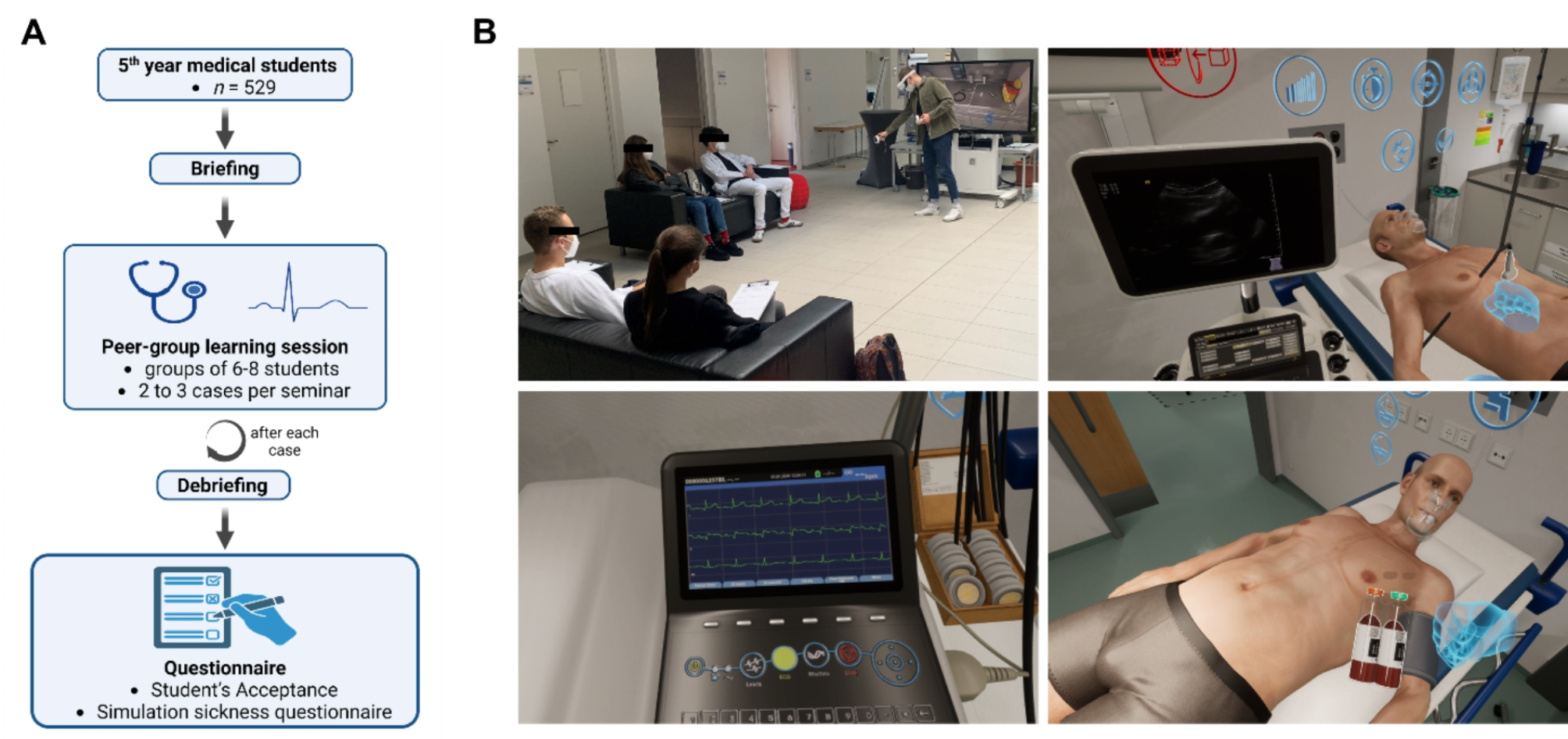
Revolutionizing Medical Training with Virtual Reality

In the rapidly evolving field of medical education, a groundbreaking study has emerged, shedding light on the transformative potential of immersive technologies.

Blockchain Technology: Transforming the Real Estate Landscape

Blockchain offers a streamlined and more secure method of managing property transactions, providing an attractive alternative for investors, developers, and real estate investment trusts.

By |January 20, 2025|Categories: Article, Blockchain Technology, Real Estate Industry|Tags: , |0 Comments

2025 Real Estate Trends in South Korea: A Transformative Landscape

In an era defined by rapid change, South Korea's real estate market is undergoing a transformation that is as dynamic as it is multifaceted. The landscape in 2025 is being reshaped by a confluence of market dynamics, economic impacts, government policies, and technological advancements.

The AI Revolution in Healthcare: Erez Meltzer’s Vision for the Future

Erez Meltzer, CEO of Nanox, is at the forefront of a groundbreaking transformation in healthcare. With over 35 years of leadership experience, Meltzer is steering the industry into an era where artificial intelligence (AI) is reshaping patient care. This evolution goes beyond mere enhancements; it promises truly individualized healthcare on a grand scale.

Predictive Analytics Tools in 2025: Revolutionizing Business Intelligence

Predictive analytics has undergone a significant transformation. Once the domain of specialized data scientists, advancements in AI have democratized these tools, making them user-friendly even for those without technical expertise.

Navigating TikTok: A Realtor’s Guide to Success

Ever wondered how TikTok became the playground for realtors? It's proven itself as a legit tool for branding and lead generation. Learn how to master the basics from setting up your profile to creating captivating videos.


By |January 19, 2025|Categories: Article, Real Estate, Social Media Marketing|Tags: |0 Comments