Bridging the Healthcare Gap in Rural Areas with Telehealth


According to the World Health Organization (WHO), nearly two billion people in rural and remote areas worldwide lack access to essential healthcare solutions. This staggering statistic highlights a critical issue: the digital divide that limits telehealth services, primarily due to inadequate broadband access. The repercussions are significant, exacerbating existing health disparities and hindering healthcare delivery.


Rural areas face another daunting challenge: a severe shortage of healthcare professionals. Despite housing over 40% of the global population, these regions are served by only 38% of the nursing workforce and less than a quarter of the physician workforce. This imbalance forces many rural inhabitants to travel long distances for specialty care, often resulting in delayed treatment and poorer health outcomes.


The Promise of Telehealth


Telehealth offers a beacon of hope in bridging these gaps. Technological advancements have significantly improved telehealth platforms, integrating seamlessly with medical devices and electronic medical records (EMRs). These innovations make telehealth more user-friendly and accessible, providing scalable solutions that cater to multiple specialties.


Rural communities, which often report higher rates of chronic diseases like cancer, diabetes, and heart disease, stand to benefit immensely from telehealth. The Centers for Disease Control and Prevention (CDC) noted in 2023 that these areas struggle with limited access to both primary and specialty care. Telehealth can mitigate these challenges by offering e-visits and virtual consultations, reducing the need for lengthy travel to access medical services.


Innovative programs worldwide illustrate telehealth’s potential. For instance, Pakistan’s COMSATS Telehealth and Africa’s mHealth Kenya initiatives have successfully connected remote patients with healthcare providers, demonstrating the effectiveness of telehealth in overcoming geographical barriers.


Strategic Implementation


Successfully implementing telehealth in rural areas requires a strategic approach. A comprehensive needs assessment is critical to understand the specific healthcare needs of these communities. Selecting the right telehealth platform, which offers interoperability and scalability, is equally important. Comprehensive training and ongoing support for healthcare providers ensure effective adoption of these technologies.


Financial considerations, regulatory compliance, and infrastructure development are also crucial. A cost-benefit analysis can elucidate telehealth’s financial impact, while understanding and adhering to regulatory requirements maintain trust and credibility. Reliable broadband connectivity is essential, and innovative solutions like mobile hotspots and satellite internet can help overcome connectivity barriers.


Embracing the Future


Embracing telehealth in rural healthcare settings involves collaboration and continuous improvement to address existing challenges. The goal is to make healthcare more accessible and equitable, reducing the disparity between urban and rural healthcare outcomes. With the involvement of C-suite executives, telehealth can ensure high-quality care delivery to rural communities, ultimately enhancing patient outcomes and reducing costs.


For more insights, visit the original article on Omnia Health Insights.


More Articles

Getting licensed or staying ahead in your career can be a journey—but it doesn’t have to be overwhelming. Grab your favorite coffee or tea, take a moment to relax, and browse through our articles. Whether you’re just starting out or renewing your expertise, we’ve got tips, insights, and advice to keep you moving forward. Here’s to your success—one sip and one step at a time!

Florida Homeowners Finally Get a Break as Insurance Rates Begin to Drop

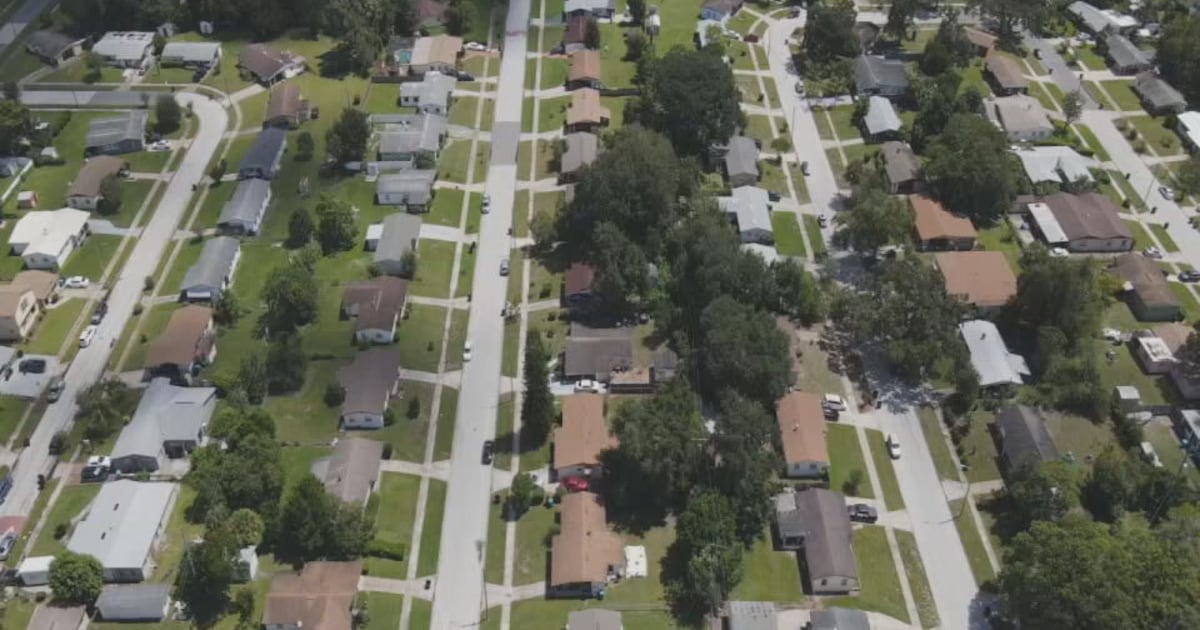
After years of soaring premiums and insurer instability, Florida’s property insurance market is finally turning a corner. Major carriers have filed 83 requests for rate decreases heading into 2026, with companies like Florida Peninsula and Patriot Select proposing cuts of 8.4% and 11.3%. Some homeowners may see relief as early as next month, signaling a long‑awaited shift toward market stability.

The Fix-and-Flip Comeback: Why 2026 Is Poised to Be a Breakout Year for Investors

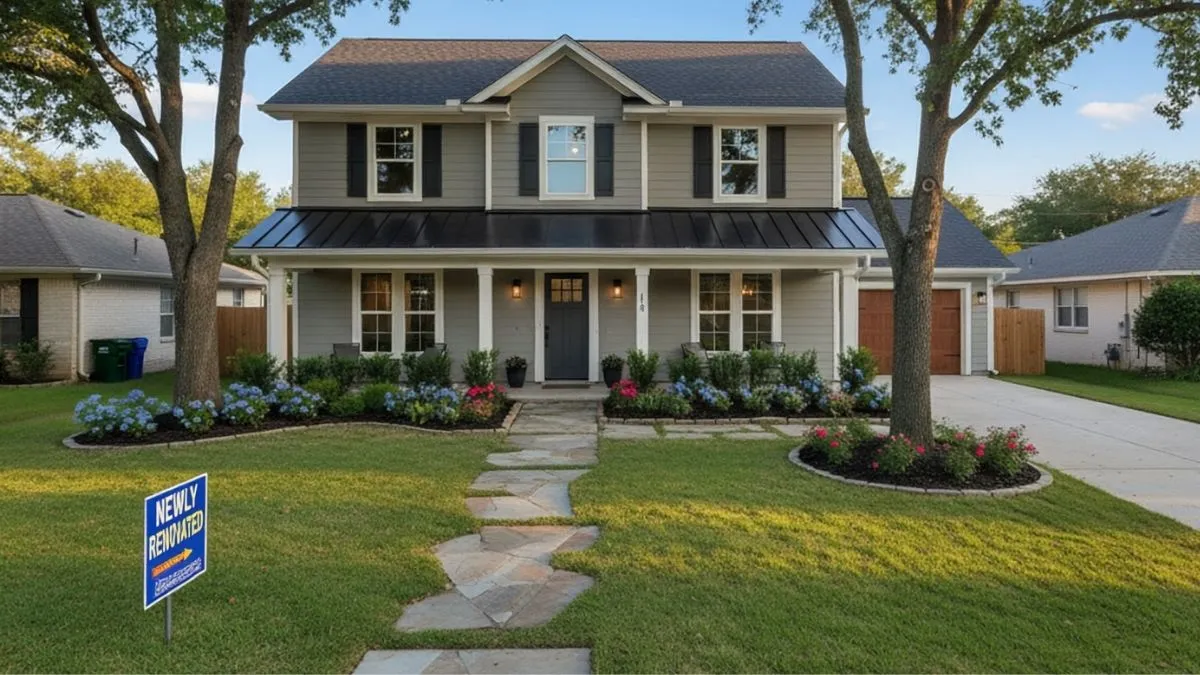
Fix-and-flip investing is gearing up for one of its strongest years in a decade as 2026 approaches. With cheaper capital, more accessible funding, easing interest rates, and long-awaited increases in housing inventory, investors are finding the perfect environment to launch or scale renovation-based real estate businesses. Renovation continues to outpace new construction in cost and speed, and demand for move-in-ready homes remains high, making 2026 a powerful opportunity window for both new and experienced investors.

Falling Rents Today, Rising Pressures Tomorrow: A 2026 Rental Squeeze Is on the Horizon

After a short-lived period of relief in 2025, the U.S. rental market may be headed for a tighter, more expensive 2026. With construction starts dropping nearly 11% and completions plunging 42%, the surge of new apartments that helped lower rents is rapidly drying up. Rising costs, shrinking inventory, and a slowdown in new development point to a potential rental crunch that could leave renters facing heavier competition and higher prices across major markets next year.

The Biggest Opportunity in Real Estate Since 2008

The commercial real estate market is entering a rare reset that experts say mirrors the post‑2008 boom, creating a potential window for disciplined investors. With trillions in commercial debt coming due and property values dropping up to 40%, firms like AARE are positioning themselves to acquire assets below replacement cost—an advantage that could set the stage for significant long‑term growth.

Six for 2026: The Commercial Real Estate Shifts Already Reshaping the U.S.

Commercial real estate is entering a reinvention phase, with AI‑driven productivity, modernized office demand, experience‑focused retail, expanding industrial logistics, creative housing solutions, and sustainability‑centered design all accelerating nationwide. These six forces are shaping how investors, brokers, and future licensees will operate in a rapidly evolving U.S. market.

2026 Becomes the Turning Point: Innovation, Stability, and Upward Mobility Return

After years of economic uncertainty and cautious decision‑making, 2026 is shaping up to be the year professionals finally catch a break. AI is moving from buzzword to essential tool, capital markets are beginning to thaw, and hiring is picking up across real estate, mortgage, insurance, finance, and healthcare. With opportunity returning, many professionals are using this moment to upskill—pursuing new licenses, certifications, and cross‑industry expertise.