Bridging the Healthcare Gap in Rural Areas with Telehealth


According to the World Health Organization (WHO), nearly two billion people in rural and remote areas worldwide lack access to essential healthcare solutions. This staggering statistic highlights a critical issue: the digital divide that limits telehealth services, primarily due to inadequate broadband access. The repercussions are significant, exacerbating existing health disparities and hindering healthcare delivery.


Rural areas face another daunting challenge: a severe shortage of healthcare professionals. Despite housing over 40% of the global population, these regions are served by only 38% of the nursing workforce and less than a quarter of the physician workforce. This imbalance forces many rural inhabitants to travel long distances for specialty care, often resulting in delayed treatment and poorer health outcomes.


The Promise of Telehealth


Telehealth offers a beacon of hope in bridging these gaps. Technological advancements have significantly improved telehealth platforms, integrating seamlessly with medical devices and electronic medical records (EMRs). These innovations make telehealth more user-friendly and accessible, providing scalable solutions that cater to multiple specialties.


Rural communities, which often report higher rates of chronic diseases like cancer, diabetes, and heart disease, stand to benefit immensely from telehealth. The Centers for Disease Control and Prevention (CDC) noted in 2023 that these areas struggle with limited access to both primary and specialty care. Telehealth can mitigate these challenges by offering e-visits and virtual consultations, reducing the need for lengthy travel to access medical services.


Innovative programs worldwide illustrate telehealth’s potential. For instance, Pakistan’s COMSATS Telehealth and Africa’s mHealth Kenya initiatives have successfully connected remote patients with healthcare providers, demonstrating the effectiveness of telehealth in overcoming geographical barriers.


Strategic Implementation


Successfully implementing telehealth in rural areas requires a strategic approach. A comprehensive needs assessment is critical to understand the specific healthcare needs of these communities. Selecting the right telehealth platform, which offers interoperability and scalability, is equally important. Comprehensive training and ongoing support for healthcare providers ensure effective adoption of these technologies.


Financial considerations, regulatory compliance, and infrastructure development are also crucial. A cost-benefit analysis can elucidate telehealth’s financial impact, while understanding and adhering to regulatory requirements maintain trust and credibility. Reliable broadband connectivity is essential, and innovative solutions like mobile hotspots and satellite internet can help overcome connectivity barriers.


Embracing the Future


Embracing telehealth in rural healthcare settings involves collaboration and continuous improvement to address existing challenges. The goal is to make healthcare more accessible and equitable, reducing the disparity between urban and rural healthcare outcomes. With the involvement of C-suite executives, telehealth can ensure high-quality care delivery to rural communities, ultimately enhancing patient outcomes and reducing costs.


For more insights, visit the original article on Omnia Health Insights.


More Articles

Getting licensed or staying ahead in your career can be a journey—but it doesn’t have to be overwhelming. Grab your favorite coffee or tea, take a moment to relax, and browse through our articles. Whether you’re just starting out or renewing your expertise, we’ve got tips, insights, and advice to keep you moving forward. Here’s to your success—one sip and one step at a time!

Commercial Real Estate 2026: A Stabilizing Market Finally Finds Its Rhythm

After a turbulent 2025 marked by stalled construction, tight capital, and economic uncertainty, commercial real estate is finally entering a period of stabilization and early recovery. Analysts across Colliers, Cushman & Wakefield, CoStar, KBW, and Deloitte agree that 2026 brings a “new equilibrium,” with capital markets waking up, vacancies peaking, and investment activity returning. Office, industrial, retail, multifamily, and data center sectors each tell a different story—some recovering, some booming, some transforming—but all show signs of renewed momentum. For investors and professionals, 2026 offers cautious yet promising opportunities as the industry regains its footing.

Five New Florida Laws Every Professional Should Know in 2026

Florida kicked off the new year with five impactful laws now in effect, influencing healthcare, insurance, animal welfare, and government employees statewide. From faster medical refund requirements to new pet‑insurance transparency rules and expanded benefits for state workers, these updates are already reshaping daily life and professional practices. Whether you work in real estate, insurance, healthcare, or any state‑licensed field, staying informed on these changes is essential as regulations continue to shift rapidly across Florida.

Commercial Real Estate in 2026 Shows Clear Signs of Stabilization and Recovery

The commercial real estate market is entering 2026 with renewed momentum and long‑awaited signs of stability. Major research firms report a “new equilibrium” forming across asset classes, supported by lower interest rates, easing lending conditions, and returning investor confidence. Office vacancies are projected to improve, industrial demand remains strong despite reduced construction, and data centers continue to dominate growth. With capital markets reawakening and REITs poised for a potential breakout year, professionals who stay informed and expand their skill sets could find 2026 filled with fresh opportunity.

Mortgage Rates Drop to 15‑Month Low as 2026 Housing Market Shows Signs of Thawing

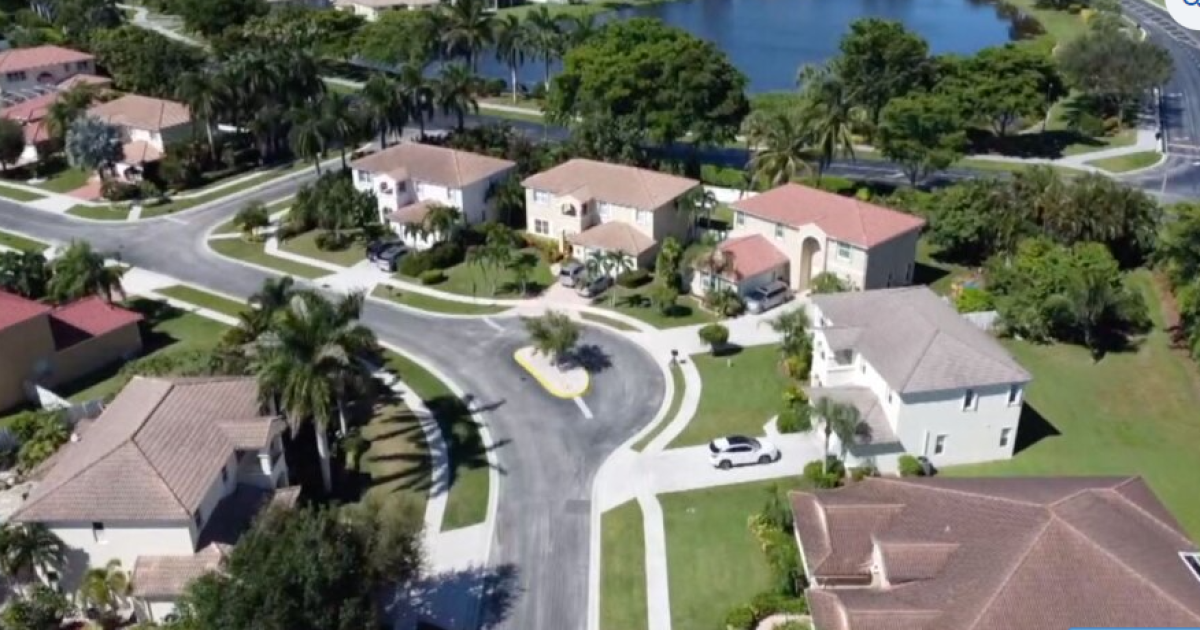
Mortgage rates have fallen to their lowest point since 2024, giving homebuyers a much‑needed break as 2026 begins. The average 30‑year fixed rate now sits near 6.12% to 6.15%, driven by multiple Fed rate cuts and cooling economic signals. While lower rates are boosting buyer optimism, tight inventory and the lingering lock‑in effect continue to challenge the market. This shift may open a key opportunity window for buyers— and for real estate and mortgage professionals looking to stay ahead of rapid industry changes.

Florida’s Great Tax Shake-Up: The 2026 Property Tax Overhaul That Could Reshape Homeownership

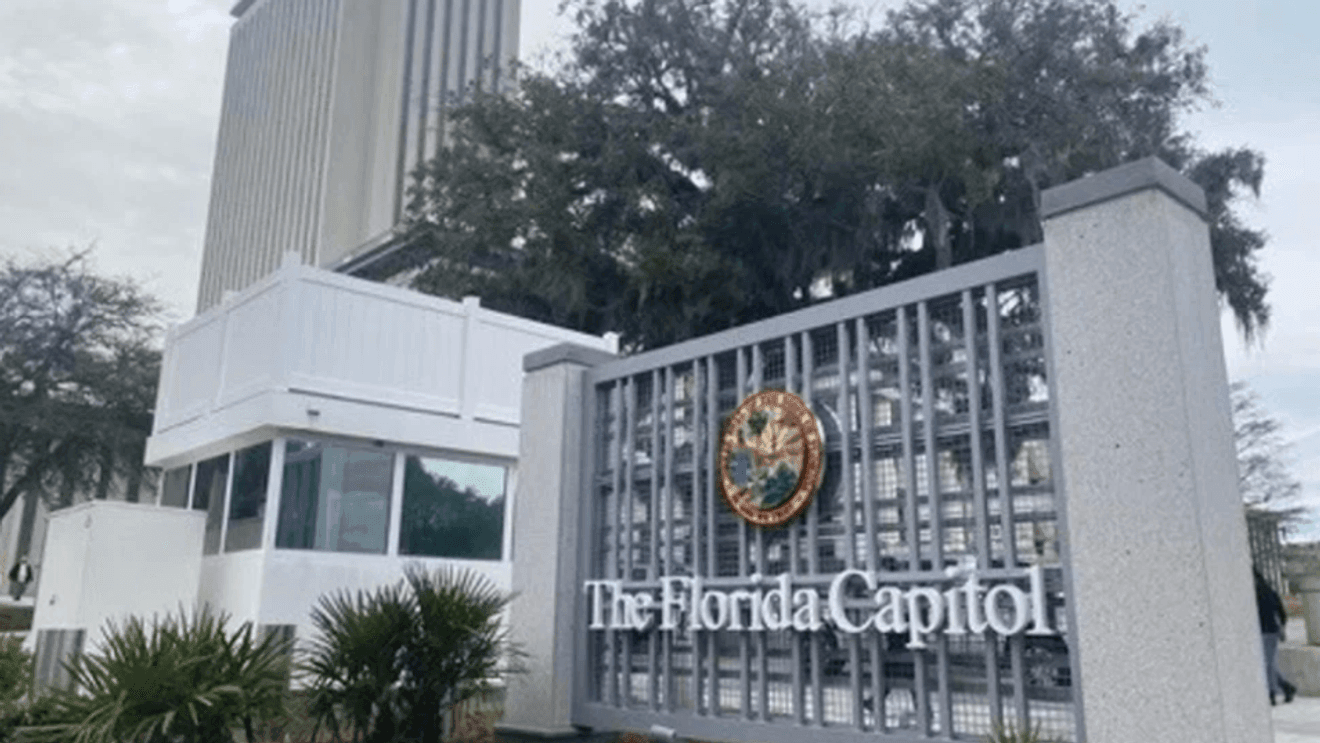
Florida is gearing up for what could be its biggest property tax transformation in decades. With state leaders, including Gov. Ron DeSantis, exploring ways to reduce or even eliminate property taxes as early as 2026, homeowners and real estate professionals are bracing for major changes. While supporters argue that Florida can cut back the nearly $60 billion in annual property tax revenue without harming essential services, local officials warn the move could jeopardize police, fire, EMS, and community programs. As the debate intensifies heading into the 2026 legislative session, the future of Florida’s housing affordability and municipal funding hangs in the balance.

New Florida Laws Taking Effect January 1: Key 2026 Updates Every Professional Should Know

Florida is starting 2026 with a slate of major new laws impacting health care, insurance, real estate, consumer protection, and public safety. From free breast‑cancer diagnostic exams for state employees to new transparency rules for condo associations and stricter regulations on pet insurance, these changes will influence professionals across multiple industries. Whether you work in real estate, insurance, health services, or public policy, understanding these updates will help you stay compliant and ahead of Florida’s fast‑evolving regulatory landscape.