
Bridging the Mental Health Care Gap in Rural America

Artem podrez / pexels

Across the vast landscapes of rural America, a silent crisis brews—one that affects the mental well-being of millions. The shortage of mental health care providers, coupled with geographic isolation, has created a significant gap in mental health services. However, a glimmer of hope emerges through telehealth technology, promising to bridge this divide.

What is Telehealth?

Telehealth is the delivery of health care services via digital communication technologies, such as video calls, phone calls, and online messaging. This innovative approach allows patients to connect with healthcare providers remotely, facilitating consultations, diagnoses, and follow-up care without the need for in-person visits. By leveraging internet-based tools, telehealth aims to improve healthcare accessibility, especially for individuals in remote or underserved areas.

Challenges in Rural Mental Health Care

Rural areas face unique challenges in accessing mental health care:

  • Shortage of Providers: A significant shortage of mental health professionals exists in rural regions, leading to long wait times and limited access to care.
  • Geographic Isolation: The vast distances to mental health facilities pose substantial barriers for patients, often requiring extensive travel.
  • Stigma: In tight-knit communities, mental health stigma can deter individuals from seeking help due to fear of judgment.
  • Limited Resources: Inadequate funding and resources hinder the availability of necessary mental health services.
  • Economic Barriers: Lower income levels and limited insurance coverage exacerbate access issues.
  • Technology Access: Reliable internet access and technological literacy are essential for effective telehealth implementation.

Despite these challenges, telehealth emerges as a transformative tool, offering increased accessibility and continuity of care. It allows individuals to receive treatment from the privacy of their homes, reducing stigma and providing cost-effective solutions.

Overcoming Access Challenges

While telehealth offers significant benefits, several issues need addressing:

  • Technology Access: Expanding broadband connectivity is crucial to ensure telehealth services reach all who need them.
  • Training and Support: Both healthcare providers and patients require training to use telehealth technology effectively.
  • Privacy and Security: Ensuring patient information remains private and secure is vital.
  • Insurance Reimbursement: Consistent and equitable coverage for telehealth services is necessary for widespread adoption.

Integrating telehealth into rural mental health care represents a significant step forward in addressing long-standing disparities. As technology advances, telehealth holds the potential to become an indispensable tool in bridging the mental health care gap.

Read the original article on Psychology Today for more insights into this evolving landscape.

More Articles

Getting licensed or staying ahead in your career can be a journey—but it doesn’t have to be overwhelming. Grab your favorite coffee or tea, take a moment to relax, and browse through our articles. Whether you’re just starting out or renewing your expertise, we’ve got tips, insights, and advice to keep you moving forward. Here’s to your success—one sip and one step at a time!

Is Florida’s Booming Real Estate Market Becoming Unaffordable?

Florida is facing a real estate crisis marked by skyrocketing insurance premiums, stringent FEMA rules, and a surge in hedge fund property acquisitions.

By |November 14, 2024|Categories: Article, Finance/Economy, Real Estate|Tags: , |0 Comments

Revolutionizing Cancer Therapy: The Promise of Patient-Derived Organoids

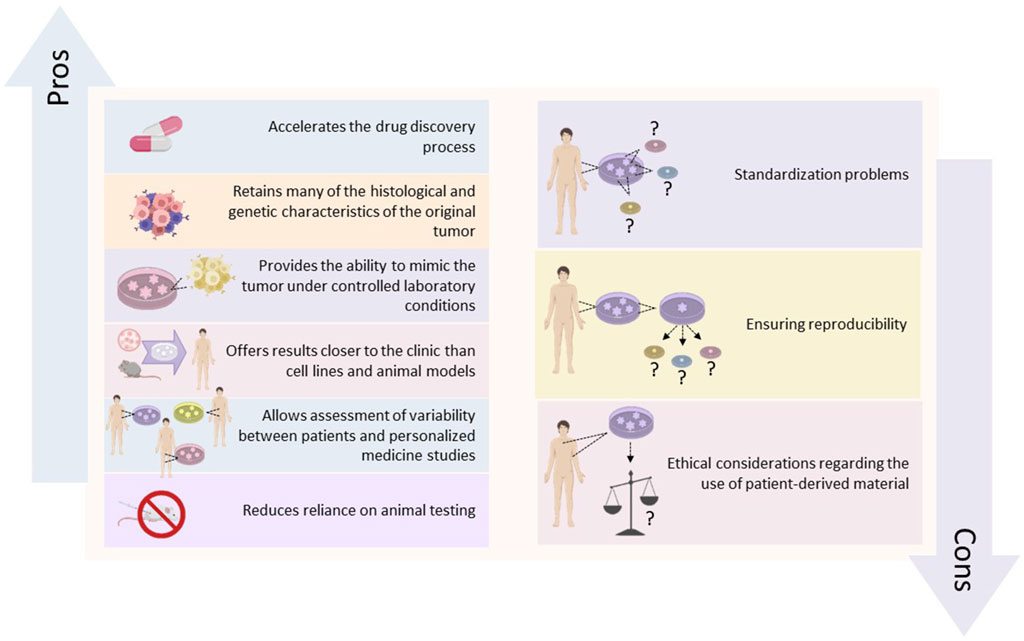
Patient-derived organoids offer an unprecedented opportunity to replicate the complex structure and genetic makeup of cancers, providing a more accurate model for clinical drug screening and pharmacognostic assessment.

The AI Revolution in Dermatology: A Systematic Review

In a groundbreaking study published in Nature, researchers have delved into the burgeoning field of artificial intelligence (AI) in dermatology, specifically examining its role in diagnosing skin cancer. The study, titled "A Systematic Review and Meta-Analysis of Artificial Intelligence Versus Clinicians for Skin Cancer Diagnosis," offers a comprehensive look at how AI stacks up against human clinicians in this critical area of healthcare.

By |November 14, 2024|Categories: AI in Healthcare, Article, Dermatology|Tags: , |0 Comments

The Fast Lane to Fully Autonomous Vehicles: Industry Innovations and Future Prospects

The automotive world is abuzz with announcements from major players like Tesla, Rimac, Renault, and Nissan, each unveiling plans to introduce autonomous vehicles in the near future. Tesla's much-anticipated "CyberCab" is set for an October 2024 debut, while Rimac and Renault are gearing up for releases in 2026.

Futureproofing for Insurers: The Role of AI and Hyper-Personalization

In a rapidly evolving industry, insurance companies are turning to artificial intelligence (AI) and hyper-personalization to stay ahead of the curve.

Revolutionizing Healthcare: The Power and Potential of AI

AI technology offers a multitude of benefits, from enhancing patient outcomes to reducing healthcare costs and improving population health. Its application ranges from preventive screenings to complex diagnostic procedures, marking a new era in medical care.

By |November 13, 2024|Categories: Article, Artificial Intelligence, Healthcare|Tags: , |0 Comments