Bridging the Mental Health Care Gap in Rural America
Across the vast landscapes of rural America, a silent crisis brews—one that affects the mental well-being of millions. The shortage of mental health care providers, coupled with geographic isolation, has created a significant gap in mental health services. However, a glimmer of hope emerges through telehealth technology, promising to bridge this divide.
What is Telehealth?
Telehealth is the delivery of health care services via digital communication technologies, such as video calls, phone calls, and online messaging. This innovative approach allows patients to connect with healthcare providers remotely, facilitating consultations, diagnoses, and follow-up care without the need for in-person visits. By leveraging internet-based tools, telehealth aims to improve healthcare accessibility, especially for individuals in remote or underserved areas.
Challenges in Rural Mental Health Care
Rural areas face unique challenges in accessing mental health care:
Shortage of Providers: A significant shortage of mental health professionals exists in rural regions, leading to long wait times and limited access to care.
Geographic Isolation: The vast distances to mental health facilities pose substantial barriers for patients, often requiring extensive travel.
Stigma: In tight-knit communities, mental health stigma can deter individuals from seeking help due to fear of judgment.
Limited Resources: Inadequate funding and resources hinder the availability of necessary mental health services.
Economic Barriers: Lower income levels and limited insurance coverage exacerbate access issues.
Technology Access: Reliable internet access and technological literacy are essential for effective telehealth implementation.
Despite these challenges, telehealth emerges as a transformative tool, offering increased accessibility and continuity of care. It allows individuals to receive treatment from the privacy of their homes, reducing stigma and providing cost-effective solutions.
Overcoming Access Challenges
While telehealth offers significant benefits, several issues need addressing:
Technology Access: Expanding broadband connectivity is crucial to ensure telehealth services reach all who need them.
Training and Support: Both healthcare providers and patients require training to use telehealth technology effectively.
Privacy and Security: Ensuring patient information remains private and secure is vital.
Insurance Reimbursement: Consistent and equitable coverage for telehealth services is necessary for widespread adoption.
Integrating telehealth into rural mental health care represents a significant step forward in addressing long-standing disparities. As technology advances, telehealth holds the potential to become an indispensable tool in bridging the mental health care gap.
Getting licensed or staying ahead in your career can be a journey—but it doesn’t have to be overwhelming. Grab your favorite coffee or tea, take a moment to relax, and browse through our articles. Whether you’re just starting out or renewing your expertise, we’ve got tips, insights, and advice to keep you moving forward. Here’s to your success—one sip and one step at a time!
The real estate industry is poised on the brink of a digital revolution, as proptech trends in 2024 promise to reshape the market landscape. After a turbulent period marked by skyrocketing mortgage payments, the sector is now stabilizing, creating fertile ground for technological innovation.
As the cost of living continues to rise, finding an affordable place to call home has become a priority for many Americans. A recent analysis by Norada Real Estate Investments highlights the top 10 cheapest housing markets in the United States for 2024, providing potential homebuyers with economically viable options.
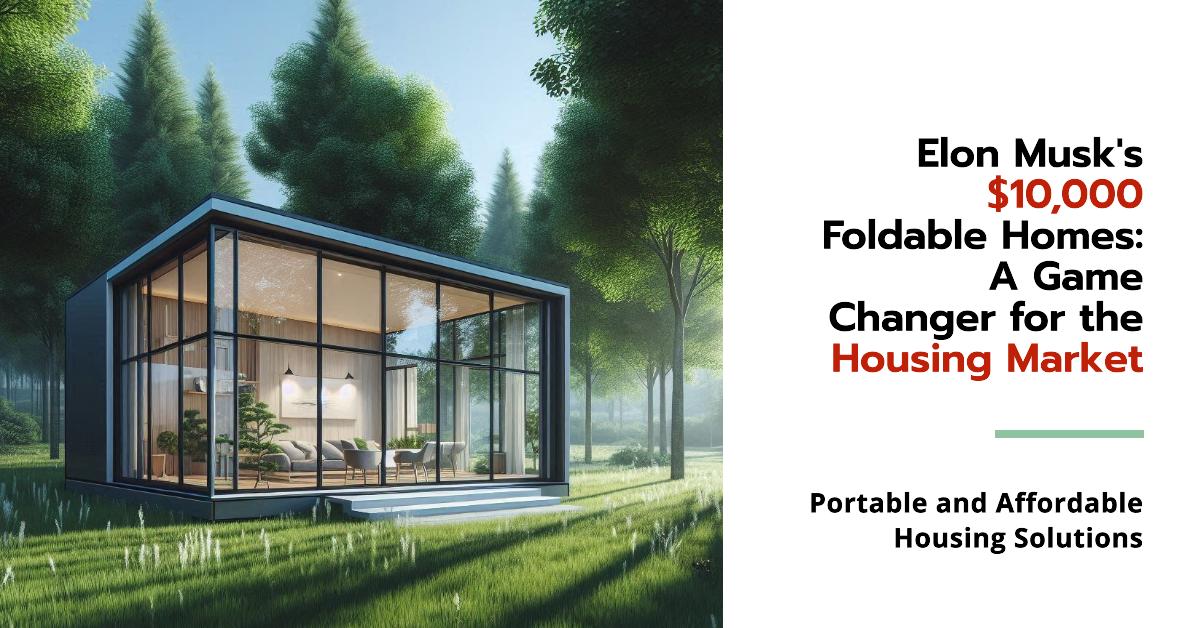
Musk's initiative could significantly reshape the housing market. By offering competitively priced, sustainable homes, the project could inspire other builders to focus on cost-effective, eco-friendly solutions. This shift might also encourage a cultural change, where smaller, more efficient homes gain popularity over traditional larger properties.
The real estate sector in India is experiencing a profound transformation, driven by the rise of remote working. As professionals embrace flexibility, their preferences for living spaces have evolved, impacting both residential and commercial real estate dynamics.
The commercial real estate sector is bracing for a tumultuous year ahead, as it navigates the unpredictable waters of economic uncertainty and fluctuating interest rates.
Non-resident individuals must navigate complex U.S. tax laws and carefully choose suitable holding structures to maximize their investment and minimize risk.