Bridging the Mental Health Care Gap in Rural America
Across the vast landscapes of rural America, a silent crisis brews—one that affects the mental well-being of millions. The shortage of mental health care providers, coupled with geographic isolation, has created a significant gap in mental health services. However, a glimmer of hope emerges through telehealth technology, promising to bridge this divide.
What is Telehealth?
Telehealth is the delivery of health care services via digital communication technologies, such as video calls, phone calls, and online messaging. This innovative approach allows patients to connect with healthcare providers remotely, facilitating consultations, diagnoses, and follow-up care without the need for in-person visits. By leveraging internet-based tools, telehealth aims to improve healthcare accessibility, especially for individuals in remote or underserved areas.
Challenges in Rural Mental Health Care
Rural areas face unique challenges in accessing mental health care:
Shortage of Providers: A significant shortage of mental health professionals exists in rural regions, leading to long wait times and limited access to care.
Geographic Isolation: The vast distances to mental health facilities pose substantial barriers for patients, often requiring extensive travel.
Stigma: In tight-knit communities, mental health stigma can deter individuals from seeking help due to fear of judgment.
Limited Resources: Inadequate funding and resources hinder the availability of necessary mental health services.
Economic Barriers: Lower income levels and limited insurance coverage exacerbate access issues.
Technology Access: Reliable internet access and technological literacy are essential for effective telehealth implementation.
Despite these challenges, telehealth emerges as a transformative tool, offering increased accessibility and continuity of care. It allows individuals to receive treatment from the privacy of their homes, reducing stigma and providing cost-effective solutions.
Overcoming Access Challenges
While telehealth offers significant benefits, several issues need addressing:
Technology Access: Expanding broadband connectivity is crucial to ensure telehealth services reach all who need them.
Training and Support: Both healthcare providers and patients require training to use telehealth technology effectively.
Privacy and Security: Ensuring patient information remains private and secure is vital.
Insurance Reimbursement: Consistent and equitable coverage for telehealth services is necessary for widespread adoption.
Integrating telehealth into rural mental health care represents a significant step forward in addressing long-standing disparities. As technology advances, telehealth holds the potential to become an indispensable tool in bridging the mental health care gap.
Getting licensed or staying ahead in your career can be a journey—but it doesn’t have to be overwhelming. Grab your favorite coffee or tea, take a moment to relax, and browse through our articles. Whether you’re just starting out or renewing your expertise, we’ve got tips, insights, and advice to keep you moving forward. Here’s to your success—one sip and one step at a time!
Los Alamitos Race Course is facing its most serious crisis in years after 18 horses died in 2025, prompting regulators to warn the track that its racing license is at risk without immediate safety reforms. Following three catastrophic injuries in a single day, the California Horse Racing Board has ordered urgent changes—including more veterinarians, stricter medication rules, and enhanced on‑track medical support—as pressure mounts for stronger oversight in a sport already under national scrutiny.
Canadian investors have poured more than US$5.8 billion into U.S. commercial real estate this year, making the U.S. their top destination even amid a lingering tariff dispute. Tight inventory in Canada and greater deal availability south of the border are driving the trend, with data centers and industrial properties emerging as the hottest targets for 2025.
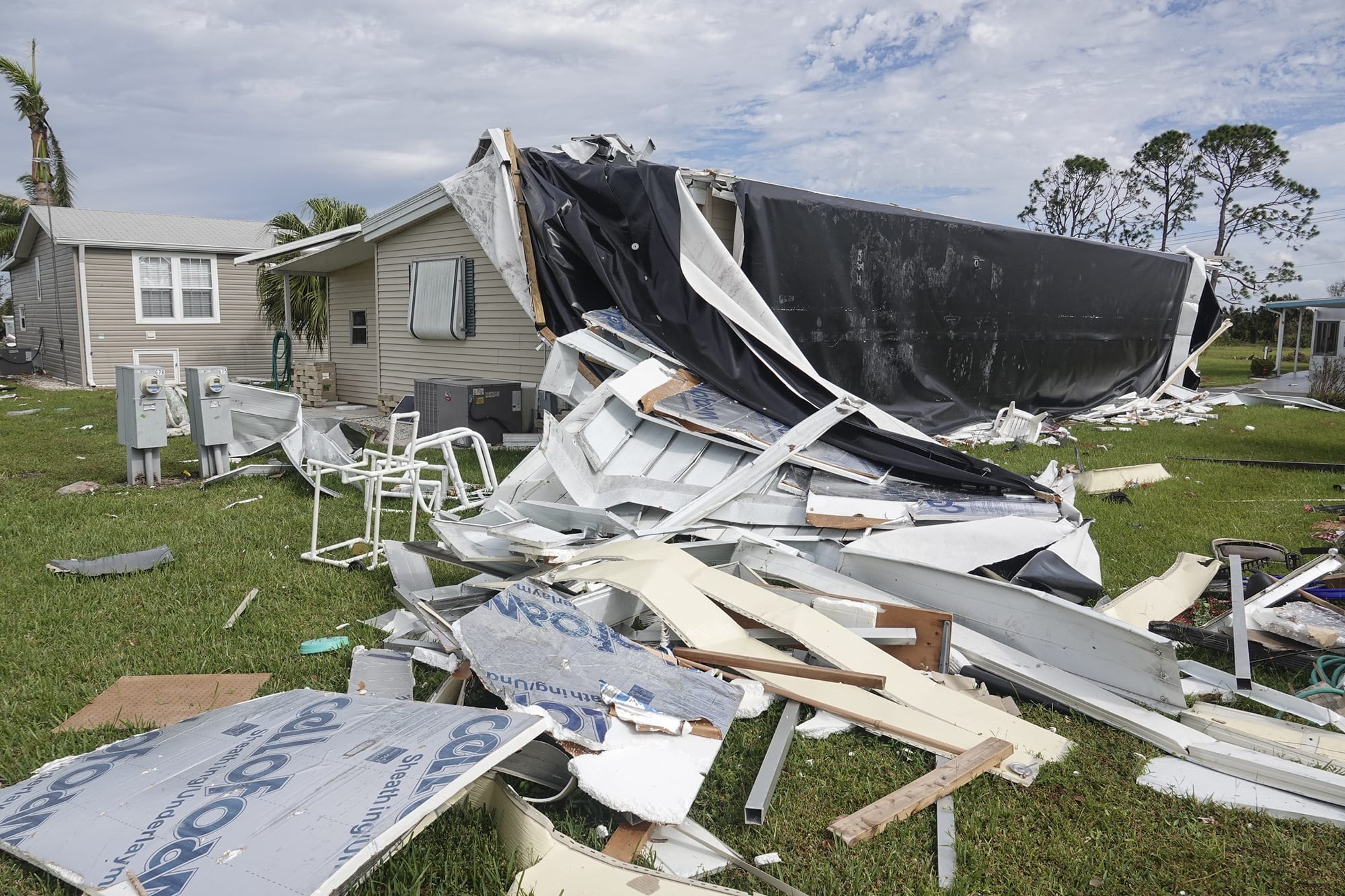
Florida’s insurance commissioner says even industry pros struggle to read today’s 150‑page homeowners policies—leaving residents shocked when hurricane claims are denied. With rising premiums, high replacement costs, and widespread confusion over exclusions like flood and water damage, the state is pushing for simpler, clearer policy language so homeowners know what they’re actually covered for before the next storm hits.
Following the 2025 elections, major metros like New York, Chicago, Miami, Los Angeles, and Boston are implementing policy shifts that could reshape property values, rental income, development timelines, and investment strategy heading into 2026. From New York’s push toward aggressive rent reform to Chicago’s sustainability mandates and Miami’s uncertain mayoral runoff, these changes signal a new era where local politics increasingly dictate market performance. This breakdown highlights the biggest post‑election real estate pivots and what they mean for investors, agents, and finance professionals preparing for a rapidly evolving landscape.
Florida’s Insurance Commissioner is sounding the alarm after thousands of homeowners discovered—only after hurricanes Helene and Milton—that the coverage they thought they had didn’t exist. With nearly 150,000 unpaid claims tied to misunderstood flood exclusions, water‑damage caps, and buried policy clauses, state leaders are pushing to simplify the dense, confusing documents most Floridians never read. As insurance costs remain one of the state’s top concerns, this growing complexity is creating a massive opportunity for real estate, mortgage, and insurance professionals to guide consumers before disaster strikes.
Florida’s insurance market is reliving an old crisis under a new name. Despite reforms meant to stabilize the system, homeowners are being forced out of Citizens and into pricier policies from small insurers with shaky financial histories. Companies tied to past insolvencies are returning with fresh branding, while highly rated carriers continue to deny a majority of claims. With political influence muddying regulation and climate risks rising, experts warn that only a full structural overhaul—not cosmetic reforms—can restore confidence for homeowners, agents, and the entire real estate market.