Budget 2025: A New Dawn for Middle-Class Homebuyers
The recent announcements in the Budget 2025 have brought a wave of optimism for middle-class homebuyers. In a bid to enhance disposable income and affordability, the Finance Minister has raised the income tax exemption limit to ₹12 lakh, which further increases to ₹12.75 lakh when standard deductions are considered. This strategic move is set to boost household spending power, subsequently driving housing demand and invigorating investments in the real estate sector.
Real estate experts suggest that these measures will have a positive impact on both primary and secondary housing markets. As highlighted in Hindustan Times, the government’s streamlined approach to taxation is expected to fortify household purchasing power.
SWAMIH Fund 2: A Lifeline for Stalled Projects
A cornerstone of this budget is the SWAMIH Fund 2, with an allocation of ₹15,000 crore aimed at completing an additional 1 lakh housing units. This initiative is a lifeline for thousands of homebuyers affected by stalled projects. The fund builds on the success of the existing SWAMIH scheme, which has seen 50,000 units completed, showcasing the government’s commitment to resolving the housing crisis. More details can be found in the SWAMIH-2 Investment Fund article.
Tax Reforms: A Boon for Landlords and Investors
The Budget also proposes raising the threshold for TDS on rent from ₹2.40 lakh to ₹6 lakh annually. This change is expected to ease compliance burdens on small landlords and taxpayers, as discussed in the TDS limit on rent analysis.
In a significant policy shift, investors can now claim a Nil valuation for two self-occupied properties instead of just one. This reform is likely to encourage property ownership and investment, making real estate an attractive option for investors.
Urban Development: Transforming Cities into Growth Hubs
The establishment of a ₹1 lakh crore Urban Challenge Fund is another highlight of the budget. This fund aims to enhance urban infrastructure, unlocking real estate potential and transforming cities into major growth hubs. The urban development fund initiative is expected to significantly impact city planning and governance.
Challenges in Affordable Housing
Despite these promising initiatives, the budget has been critiqued for not addressing affordable housing adequately. Rising home loan interest rates and outdated definitions of affordable housing continue to pose challenges for potential homeowners. Experts emphasize the need for a national policy towards rental housing to boost the housing program.
Conclusion: A Progressive Shift in Real Estate
The Budget 2025‘s focus on investor-friendly policies and creating a conducive environment for real estate growth is evident. By removing tax on deemed rent for self-occupied properties, the government is aligning with the evolving housing needs of Indian families. This progressive shift not only encourages homeownership but also sets the stage for a revitalized real estate sector.
More Articles
Getting licensed or staying ahead in your career can be a journey—but it doesn’t have to be overwhelming. Grab your favorite coffee or tea, take a moment to relax, and browse through our articles. Whether you’re just starting out or renewing your expertise, we’ve got tips, insights, and advice to keep you moving forward. Here’s to your success—one sip and one step at a time!
Remote work is dramatically reshaping real estate trends in India. By understanding and adapting to these shifts, investors can make savvy decisions, aligning their strategies with this evolving landscape and capitalizing on the burgeoning opportunities that remote working presents.
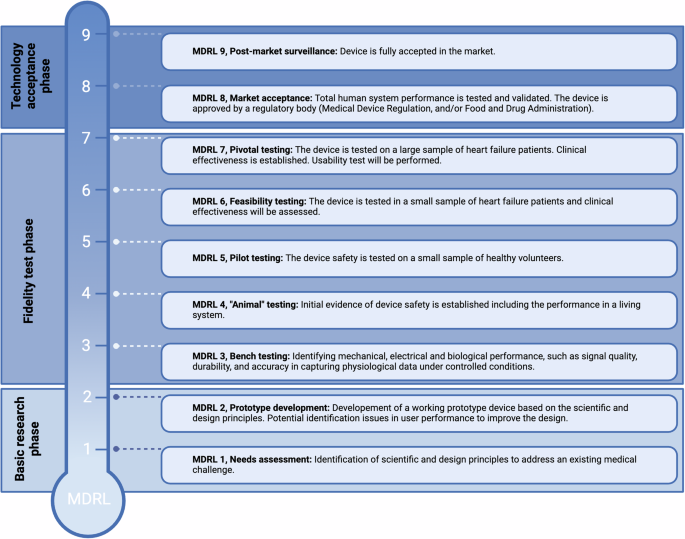
Wearable technologies are emerging as a beacon of hope for heart failure (HF) management, promising a future where patient care is not just reactive but proactive. As reported in a recent Nature article, these devices are poised to transform how we monitor and manage HF patients.
In a landmark event in April 2024, the State and Local Electric Vehicle Workforce Collaborative convened in Washington, D.C., highlighting the transformative potential of federal investments in electric vehicle infrastructure, particularly in underserved communities.
Risk managers are increasingly using parametric insurance to strengthen traditional programs and to better match capital to risk from natural disasters.
This "green revolution" is marked by the integration of green data fields in the Multiple Listing Service (MLS), which now features prominently in 40% of listings. This shift enhances awareness among potential buyers about eco-friendly home features, promoting healthier living environments.
In the ever-evolving landscape of healthcare, Artificial Intelligence (AI) is emerging as more than just a tool—it's a transformative force reshaping the industry. Visionaries like Vinod Khosla have long predicted AI's potential to revolutionize healthcare, and that potential is now being realized.