
In a revealing examination of the real estate sector’s sustainability efforts, a recent Deloitte report sheds light on the pressing challenges and strategic pathways for achieving environmental compliance. The report, titled “Building an Integrated Approach to Real Estate Sustainability,” highlights that nearly 60% of global real estate CFOs lack the necessary data, processes, or internal controls to comply with current environmental regulations.

Sustainability in real estate

To bridge this gap, Deloitte suggests that real estate firms must foster cross-departmental collaboration. Key stakeholders, including finance leaders, sustainability officers, engineers, and tax experts, should work in unison to align their strategies with both financial and sustainability goals. This integrated approach is vital for navigating the complex landscape of tax incentives and regulatory challenges, which are critical for achieving sustainability objectives.

Key Areas for Integration

  • Tax and Regulatory Opportunities: The report emphasizes the importance of identifying incentives and addressing challenges. However, only 32% of firms plan to leverage tax-saving opportunities, indicating a significant area for growth.
  • Risk and Financial Modeling: Prioritizing physical and transition risks is crucial for compliance and investment security. Conducting risk assessments can enhance understanding and strategy integration.
  • Accounting and Reporting: With new regulations like the SEC climate rule, aligning sustainability with financial reporting is becoming increasingly essential.
  • Strategy and Energy Sourcing: A focus on renewable energy sources is paramount, with companies like Slate Asset Management making substantial investments.
  • Technology Integration: The adoption of smart technologies, such as IoT devices, is critical for monitoring consumption. Digital twins can optimize operations and streamline reporting.

The Deloitte report also underscores the need for real estate firms to align their energy sourcing strategies with tax incentives to enhance ROI while meeting sustainability targets. This alignment requires collaboration across various stakeholders, from IT and finance to developers and engineers, to build a robust infrastructure capable of supporting sustainability goals.

Looking Ahead

As environmental standards continue to evolve, the future of real estate sustainability will likely be shaped by regulatory changes, market expectations, and technological advancements. Real estate companies are urged to integrate sustainability into their core operations, leveraging industry-specific solutions to navigate complexities and maintain a competitive edge.

More Articles

Getting licensed or staying ahead in your career can be a journey—but it doesn’t have to be overwhelming. Grab your favorite coffee or tea, take a moment to relax, and browse through our articles. Whether you’re just starting out or renewing your expertise, we’ve got tips, insights, and advice to keep you moving forward. Here’s to your success—one sip and one step at a time!

Unlocking Real Estate Wealth in 2025: Strategies for Success

Step into 2025, where the real estate market emerges as a resilient beacon amidst economic unpredictability. Investors are increasingly drawn to secondary cities like Austin and Manchester, attracted by their growth potential, affordability, and enhanced quality of life.

By |February 18, 2025|Categories: Article, Investment Strategies, Real Estate|Tags: , |0 Comments

AI and Urbanization Drive Home Services Market Growth

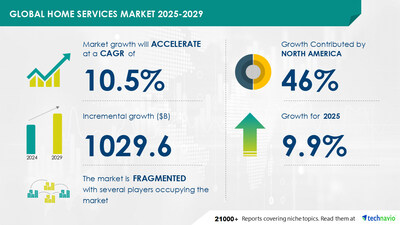
The global home services market is poised for significant growth, with projections indicating an increase of USD 1.03 trillion from 2025 to 2029. This forecasted expansion is attributed to increasing urbanization and the transformative impact of AI on market trends, according to a recent report by Technavio.

Decoding the U.S. Housing Crisis: A Study of Historic Policy Missteps and Demographic Shift

In a revealing study by USC, the roots of the current housing crisis in the United States are traced back to policy missteps and demographic changes that have been unfolding since the early 2000s. The study highlights how these factors have left millennials and people of color disproportionately affected.

Best Real Estate Crowdfunding Platforms for February 2025: Investopedia’s Top Picks

Fundrise stands out for offering investors a chance to diversify their portfolios with real estate exposure through proprietary funds. With a minimum investment as low as $10, it opens doors to beginners and seasoned investors alike.

Top Real Estate Investment Apps of 2025: A Guide for First-Time and Experienced Investors

Business Insider has reviewed a range of platforms available in 2025, focusing on key factors like fees, accessibility for accredited vs. non-accredited investors, and the types of real estate investments offered.