
In a revealing examination of the real estate sector’s sustainability efforts, a recent Deloitte report sheds light on the pressing challenges and strategic pathways for achieving environmental compliance. The report, titled “Building an Integrated Approach to Real Estate Sustainability,” highlights that nearly 60% of global real estate CFOs lack the necessary data, processes, or internal controls to comply with current environmental regulations.

Sustainability in real estate

To bridge this gap, Deloitte suggests that real estate firms must foster cross-departmental collaboration. Key stakeholders, including finance leaders, sustainability officers, engineers, and tax experts, should work in unison to align their strategies with both financial and sustainability goals. This integrated approach is vital for navigating the complex landscape of tax incentives and regulatory challenges, which are critical for achieving sustainability objectives.

Key Areas for Integration

  • Tax and Regulatory Opportunities: The report emphasizes the importance of identifying incentives and addressing challenges. However, only 32% of firms plan to leverage tax-saving opportunities, indicating a significant area for growth.
  • Risk and Financial Modeling: Prioritizing physical and transition risks is crucial for compliance and investment security. Conducting risk assessments can enhance understanding and strategy integration.
  • Accounting and Reporting: With new regulations like the SEC climate rule, aligning sustainability with financial reporting is becoming increasingly essential.
  • Strategy and Energy Sourcing: A focus on renewable energy sources is paramount, with companies like Slate Asset Management making substantial investments.
  • Technology Integration: The adoption of smart technologies, such as IoT devices, is critical for monitoring consumption. Digital twins can optimize operations and streamline reporting.

The Deloitte report also underscores the need for real estate firms to align their energy sourcing strategies with tax incentives to enhance ROI while meeting sustainability targets. This alignment requires collaboration across various stakeholders, from IT and finance to developers and engineers, to build a robust infrastructure capable of supporting sustainability goals.

Looking Ahead

As environmental standards continue to evolve, the future of real estate sustainability will likely be shaped by regulatory changes, market expectations, and technological advancements. Real estate companies are urged to integrate sustainability into their core operations, leveraging industry-specific solutions to navigate complexities and maintain a competitive edge.

More Articles

Getting licensed or staying ahead in your career can be a journey—but it doesn’t have to be overwhelming. Grab your favorite coffee or tea, take a moment to relax, and browse through our articles. Whether you’re just starting out or renewing your expertise, we’ve got tips, insights, and advice to keep you moving forward. Here’s to your success—one sip and one step at a time!

Artificial Intelligence in Diagnostics: A Revolution in Healthcare

The global market for artificial intelligence in diagnostics is poised for remarkable growth, with projections estimating it to reach USD 7.3 billion by 2032.

By |December 10, 2024|Categories: Article, Artificial Intelligence, Healthcare|Tags: , |0 Comments

Revolutionizing Medical Education with Extended Reality

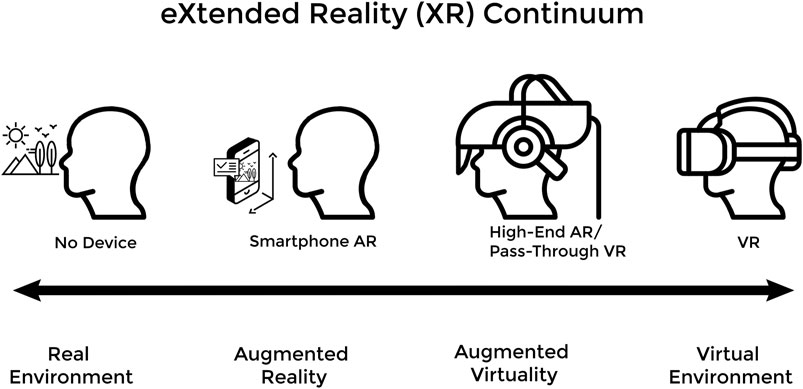
In the ever-evolving landscape of medical education, a new player has emerged, promising to revolutionize the way future doctors are trained. The integration of eXtended Reality (XR) technologies is reshaping the educational landscape by addressing the limitations of traditional methods.

Genetic Testing: A New Dawn in Healthcare

Genetic testing represents more than just a scientific advancement; it signifies a fundamental shift in how we approach health and wellness.

Sustainable Architecture: Blending Innovation with Ecological Responsibility

The journey toward sustainable architecture is ongoing, with each project serving as a beacon of what's achievable when creativity meets ecological awareness.

By |December 9, 2024|Categories: Architecture, Article, Sustainability|Tags: |0 Comments

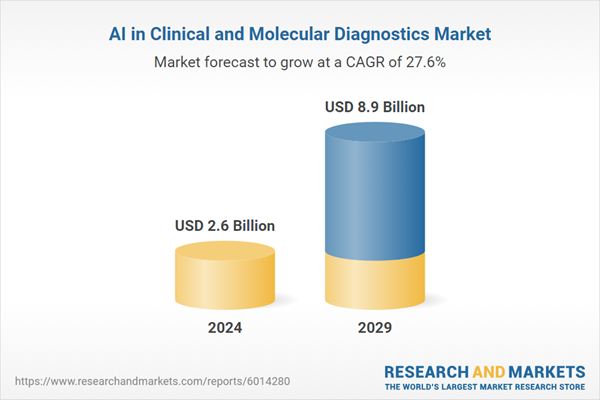
AI in Clinical and Molecular Diagnostics: A Market on the Rise

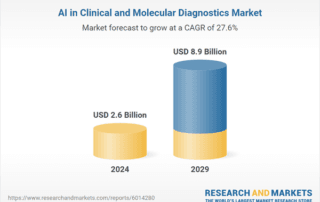
AI in Clinical and Molecular Diagnostics Market is set to experience remarkable growth, projected to surge from USD 2.6 billion in 2024 to USD 8.9 billion by 2029. This growth is driven by the integration of advanced AI technologies such as machine learning and deep learning into traditional diagnostic methodologies like imaging, genomics, and laboratory testing.

AI: A Revolution in Healthcare’s Future

AI is not a distant dream but a present reality, already integrated into everyday life through virtual assistants like Alexa and Siri. AI shows promise in enhancing medical accuracy, such as in predicting mesothelioma survival and improving colonoscopy accuracy, it is not intended to replace healthcare professionals.